What is copy trading?
Copy trading is a feature that allows users to replicate the strategies of experienced crypto traders in real time. When a lead trader opens, modifies, or closes a position, the system automatically mirrors the same trade in the follower’s account, enabling fast and efficient strategy execution.
To learn how to become a lead trader or start copy trading, please refer to the official user guides:
Bitunix Copy Trading Operation Guide (APP)?
Bitunix Copy Trading Operation Guide (Web)?
1. Core Principle of Copy Trading: Trade with the Trend, not Against It
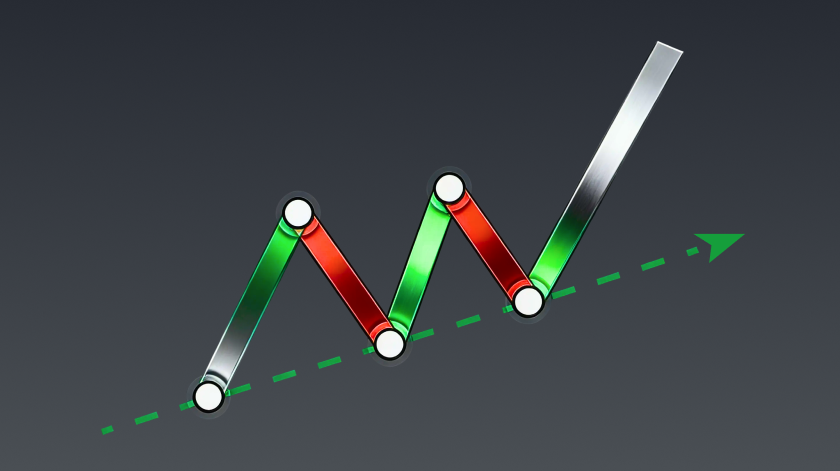
Trend-following is the most important principle of copy trading and the foundation of long-term profitability. Following the trend means trading in the direction of the broader market trend, especially on higher timeframes such as the daily and weekly charts. It means avoiding bottom-fishing in a downtrend and focusing on traders who capture opportunities within established market trends.
When using Bitunix Copy Trading, users are encouraged to select lead traders who consistently follow trend-based strategies. This helps reduce exposure to aggressive, high-risk, and counter-trend trading styles, while improving capital protection.
2. Pre-Copy Analysis: How to Choose the Right Trend Trader
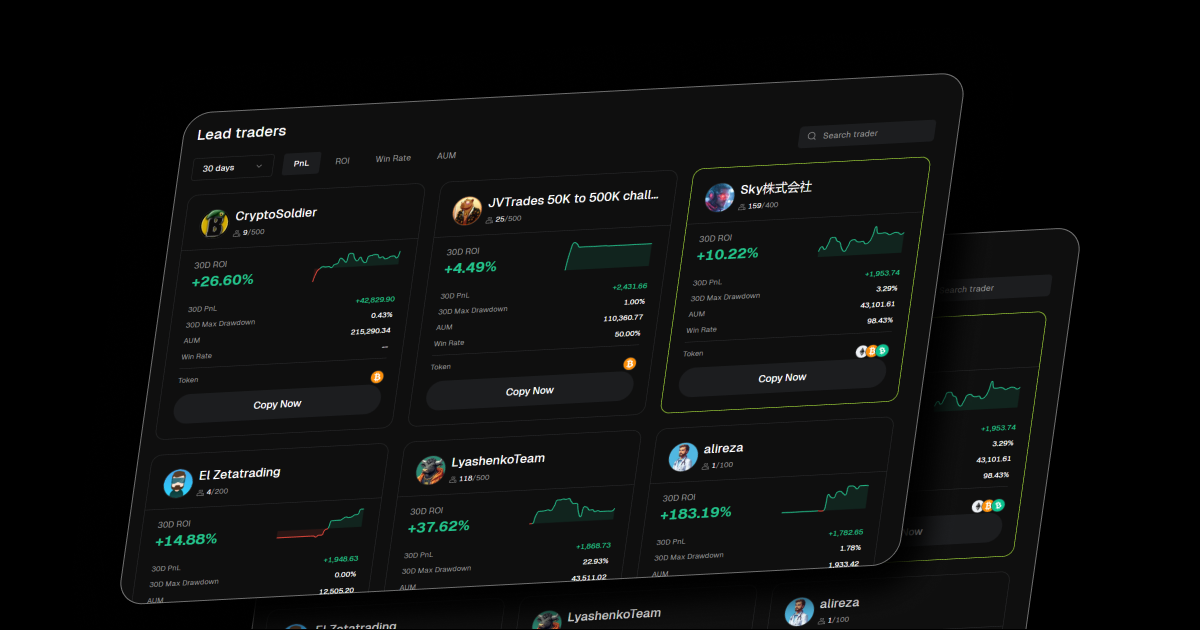
1、Review the trader’s strategy style
Start by checking the trader’s historical performance and trade records to determine whether they follow a trend-based approach. Pay close attention to whether their entry direction is aligned with the broader trend of major assets such as BTC, ETH, and other leading cryptocurrencies. Also observe whether they adjust positions promptly when the market trend changes.
Priority should be given to traders who:
- follow clear market trends
- avoid frequent counter-trend trades
- use disciplined position management
- do not rely on aggressive averaging down or excessive position adds
Avoid traders who focus heavily on short-term, high-frequency, or counter-trend strategies.
2、Analyze historical performance data
- Do not choose traders based only on high returns. Instead, focus on the key indicators that reflect long-term consistency and risk control, including cumulative return, maximum drawdown, win rate, and profit-loss ratio.
- A strong lead trader typically shows:
- stable returns over the past 3 to 6 months
- maximum drawdown below 20%
- win rate above 80%
- profit-loss ratio greater than 3:1
Traders with these characteristics are more likely to follow structured strategies and maintain disciplined risk management, rather than relying on short-term luck.
3、Check trading habits and risk management details
Review the trader’s position cycle, stop-loss settings, take-profit strategy, and position sizing approach. Trend-following traders usually hold positions for the medium to long term, apply strict stop-loss rules, and avoid overly large positions.
Also pay attention to trading frequency. It is generally better to avoid traders who place more than five trades per day, as very high trading frequency often indicates short-term speculation and may lead to a higher error rate.
4、Keep learning through Bitunix Academy
Users can also improve their market understanding by following the educational content and market insights published by Bitunix Academy. Continuous learning can help strengthen independent market judgment and improve copy trading decisions.
3.Understand Bitunix Copy Trading Rules and Platform Mechanics
Before starting copy trading, users should fully understand the Bitunix copy trading rules and how the system works. This helps prevent operational mistakes caused by unfamiliarity with the platform. The key points are outlined below.
1. Choose the right copy trading mode
Bitunix supports two copy trading modes: fixed amount copy trading and proportional copy trading.
For beginners, fixed amount copy trading is generally the better choice because it makes risk control easier than margin-based proportional copying. After gaining more experience, users may switch to proportional copy trading, which mirrors the lead trader’s position sizing more closely and better reflects the trader’s overall position management strategy.
For users with smaller capital, a lower copy ratio such as 0.5x to 1x may help manage risk more effectively. Users with larger capital should still adjust their allocation based on their own risk tolerance rather than increasing exposure blindly.
2. Set copy trading risk controls
Bitunix includes built-in risk management tools for copy trading. Users should enable per-trade stop-loss and overall copy trading drawdown protection.
As a general rule, the maximum loss on a single copied trade should not exceed 20% of the allocated copy trading funds, and copy trading should be paused automatically if the total account drawdown reaches 10%.
This approach aligns with sound trend-trading principles by helping users cut losses early while allowing profitable trades more room to develop.
3. Understand the profit-sharing mechanism
The platform calculates the copy trader’s net profit and loss during each settlement cycle and determines the profit-sharing amount based on the applicable profit-sharing ratio.
Profit sharing is only charged when the cycle shows a net realized profit. In that case, the pending profit-sharing amount is calculated based on the cycle’s eligible profit and the agreed profit-sharing ratio. If there is no net profit during the cycle, the profit-sharing amount is zero.
At settlement, the corresponding amount is transferred to the lead trader’s spot account.
Settlement details
- Settlement time: Every Monday at 00:00 (UTC)
- Earnings calculation period: Monday 00:00:00 (UTC) to Sunday 23:59:59 (UTC)
4. Common reasons why copy orders may fail
Insufficient available balance
If the copy trader’s account balance is too low to meet the required margin or minimum order size, the system will not execute the copied trade.
Price deviation exceeds the limit
To reduce slippage risk, copy trading includes a price protection mechanism. If the execution price moves beyond the allowed slippage threshold, the copied order will not be placed.
Position margin limit reached
Users can set a maximum margin limit for copied positions as part of risk control. Once that limit is reached for a trading pair, the system will stop opening additional copied positions for that pair.
4. Follow-up review and ongoing optimization
1. Review trading data regularly
Users should regularly review key copy trading metrics, including yield, drawdown, profit-loss ratio, and overall performance during the copy trading period. It is also important to compare copied trade results with the lead trader’s actual performance to check whether there are any synchronization issues and to confirm that the lead trader is still following a consistent trend-trading strategy.
2. Analyze profits and losses carefully
It is important to identify whether profits are coming from a sound trend-following strategy or simply from short-term market luck. Losses should also be analyzed carefully to determine whether they were caused by sudden market volatility, platform execution delays, or a shift in the lead trader’s strategy away from its original logic.
If a lead trader repeatedly opens positions against the prevailing trend or shows weak risk control, users should stop copying immediately and reassess the trader.
3. Optimize and adjust the strategy
Based on the review results, users can refine their copy trading approach by adjusting the copy ratio, risk control settings, and selection of lead traders. For example, this may include reducing allocation to traders with larger drawdowns, increasing allocation to more stable traders, and continuously refining the overall copy trading portfolio.
Ongoing optimization helps align copy trading strategies more closely with changing market conditions and the user’s own risk tolerance.
Disclaimer
This article is not intended to provide
(I) investment advice or investment recommendations;
(Ii) an offer or solicitation to buy, sell or hold digital assets;
(Iii) Financial, accounting, legal or tax advice. Digital assets held (including stablecoins and NFTs) involve a high level of risk and may fluctuate significantly. You should carefully consider whether trading or holding digital assets is appropriate for you based on your financial situation. Please consult your legal/tax/investment professional for your specific situation. Please be responsible for understanding and complying with relevant local applicable laws and regulations.
About Bitunix
Bitunix is a global cryptocurrency derivatives exchange trusted by over 3 million users from over 100 countries. Bitunix is committed to providing a transparent, compliance and secure trading environment for every user. The platform has a fast registration process and friendly verification system, and enforces KYC to ensure security and compliance.
Through global-level protection standards such as Proof of Reserve (PoR) and Bitunix Care Fund, Bitunix puts user trust and money security first.The K-Line Ultra charting system provides a seamless trading experience for both novice and advanced traders, with up to 200 times leverage and deep liquidity, making Bitunix one of the most dynamic platforms in the market.
Bitunix Global Account
X | Telegram Announcements | Telegram Global | CoinMarketCap | Instagram | Facebook | LinkedIn | Reddit | Medium