

At Bitunix, we know that trust has to be earned with verifiable information, not slogans. When users ask “Is Bitunix safe,” they are usually asking whether they can confirm that their assets are backed properly and whether the exchange operates with clear standards. That is why we publish Bitunix Proof of Reserves as part of our broader focus on Bitunix security and transparency.
This guide explains what Proof of Reserves means, how our Proof of Reserves verification is structured, how you can verify your own balance data, and what Proof of Reserves can and cannot tell you. We will keep the language practical and avoid unnecessary complexity.
What Proof Of Reserves Means
Proof of Reserves is a transparency method designed to help users verify that an exchange holds reserves for user assets.
In practice, it answers a simple question: can users check that their balances are included in a published reserves dataset, and can the exchange provide cryptographic evidence that the dataset is consistent?
Proof of Reserves supports crypto platform security by adding verifiability. It gives users a way to check information rather than relying on claims. This is why Proof of Reserves has become an important standard across the industry.
What We Publish In Bitunix Proof Of Reserves
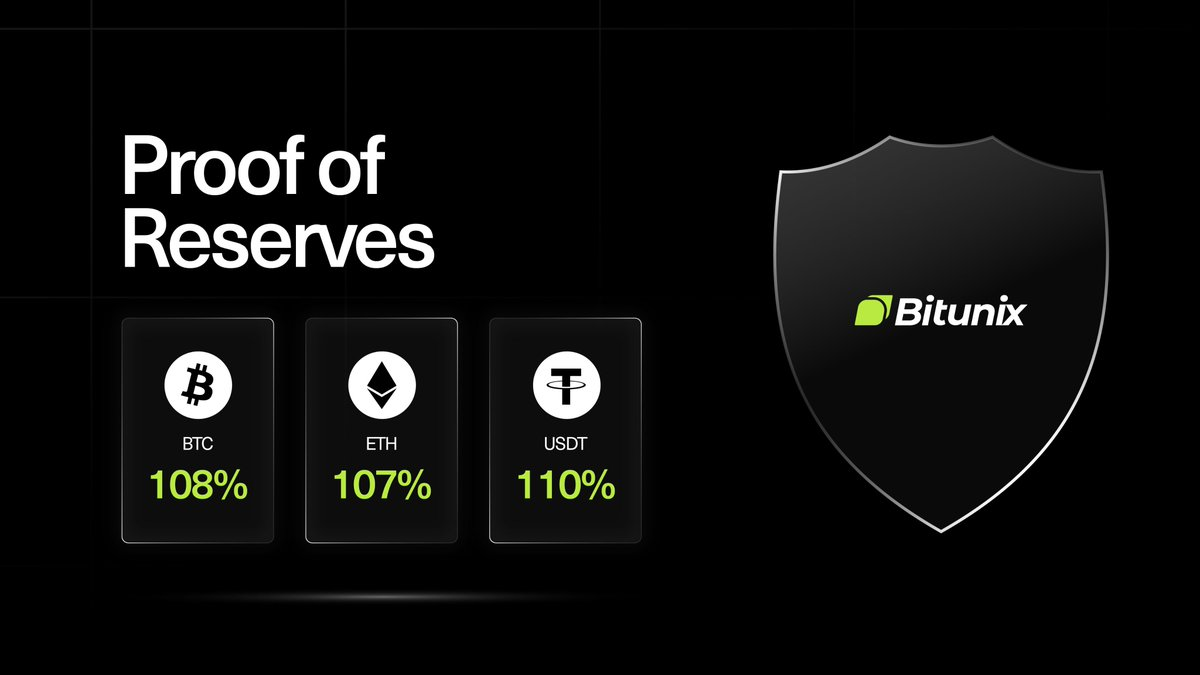
Our Proof of Reserves program is designed to support transparency and user verification. In our Proof of Reserves materials, we state that we maintain a 1:1 reserve approach for user assets and provide verification methods so users can confirm inclusion in the dataset.
We also explain that we use a Merkle tree structure in the verification process. Merkle trees are widely used in cryptographic verification because they make it possible to prove inclusion of a data record in a dataset without exposing other users’ private information.
At a high level, our Proof of Reserves approach is built around three ideas:
- Verifiability: Users can verify that their balances are included in the published dataset.
- Privacy: Verification can be done without revealing other users’ data.
- Transparency: We publish the relevant cryptographic reference points used for verification.
This framework is one reason Proof of Reserves is often referenced in conversations about Bitunix user fund protection and whether an exchange is operating with high transparency standards.
How Merkle Tree Verification Works
If you are not technical, here is the simplest way to think about it.
A Merkle tree takes many user balance records and converts them into a structure that produces a single cryptographic output called a Merkle root. The Merkle root is a compact fingerprint of the dataset.
When we publish a Proof of Reserves dataset, the Merkle root allows verification that the dataset has not been altered. A user can check that their own balance record is included in the dataset by using the provided verification path.
This matters because it helps users confirm two things:
- Their account data is included in the snapshot
- The snapshot is consistent with the published Merkle root
This verification model supports our commitment to Bitunix security and transparency because it gives users a practical way to validate what we publish.
How To Verify Your Assets Using Bitunix Proof Of Reserves
If you want to verify your information, follow this structured process inside the official Bitunix environment.
Step 1: Use Official Access Only
Always access Proof of Reserves through the official Bitunix website or the official Bitunix app. This reduces the risk of phishing or impersonation.
Step 2: Open The Proof Of Reserves Page
Navigate to the Proof of Reserves section, where the latest dataset details and verification method are provided.
Step 3: Locate Your Verification Information
Within the Proof of Reserves flow, you will see the information needed to confirm inclusion of your balance record.
Depending on how the interface is presented at the time, this can include:
- a user identifier or masked reference
- balance snapshot values
- verification elements used for the Merkle proof
Step 4: Complete The Verification Check
Use the verification option provided in the Proof of Reserves interface to confirm that your record is included in the dataset that corresponds to the published Merkle root.
If the system confirms your inclusion, it means your snapshot entry is consistent with the published dataset at the time of that Proof of Reserves update.
If you need help completing verification, contact Bitunix customer support using official channels.
What Proof Of Reserves Does And Does Not Tell You
This is where many users get confused, so we keep it clear.
What Proof Of Reserves Is Good For
Proof of Reserves is designed to help users verify that:
- an exchange has published reserve-related data
- user balances are included in a cryptographic dataset
- the dataset is consistent with the published Merkle root
This is why users researching “Is Bitunix safe” often want to see Proof of Reserves. Verification increases confidence because it reduces the need for blind trust.
What Proof Of Reserves Does Not Prove By Itself
In general, Proof of Reserves is one transparency tool, not the full picture.
On its own, Proof of Reserves does not automatically prove:
- the full financial health of an exchange
- every liability category across all business lines
- the complete risk posture of the platform under all conditions
That is why we treat Proof of Reserves as one part of a layered trust model rather than the only trust signal.
How Proof Of Reserves Fits Into A Layered Safety Model
When users evaluate whether an exchange meets the “Bitunix safe” standard, they typically look for multiple layers working together.
At Bitunix, Proof of Reserves complements other areas of platform safety, including:
- Account protection features that help reduce unauthorized access risk
- Compliance controls that support platform integrity
- Operational processes for monitoring, response, and user support
This is a more realistic view of crypto platform security. No single system is enough. Trust is built through layers that reinforce each other.
Practical Safety Advice We Recommend
Proof of Reserves is important, but your account security habits still matter every day.
We recommend:
- Use the official Bitunix website or app and verify domains before logging in
- Enable account protection features early and keep them enabled
- Treat unsolicited messages as untrusted and avoid clicking unknown links
- If you trade futures, use clear risk limits and avoid oversized leverage
- If anything feels wrong, contact support through official channels immediately
These steps support both personal safety and broader user fund protection outcomes.
Conclusion
We publish Bitunix Proof of Reserves because transparency should be verifiable. Proof of Reserves helps users confirm inclusion of their balance snapshot in a published dataset through cryptographic verification methods such as Merkle trees. It is a practical trust tool that supports our commitment to Bitunix security and transparency.
If your goal is to evaluate “Is Bitunix safe,” Proof of Reserves is one of the strongest transparency checks you can perform. The best approach is to use it alongside other safety layers such as account protection features, responsible risk management, and official support channels.
FAQ
What Is Bitunix Proof Of Reserves?
It is a transparency method that provides reserve-related data and a verification approach so users can confirm their balance record is included in the published dataset.
How Does Merkle Tree Verification Protect Privacy?
Merkle trees allow verification of inclusion without exposing other users’ balance records. You can verify your own record without seeing anyone else’s data.
Does Proof Of Reserves Guarantee Profit Or Prevent Trading Losses?
No. Proof of Reserves is a transparency and verification mechanism. Trading results still depend on market movement and your risk management.
How Often Should I Verify Proof Of Reserves?
You can verify whenever an updated Proof of Reserves dataset is published, or whenever you want an extra confidence check.
What Should I Do If I Cannot Verify My Record?
Use official Bitunix channels to contact support and provide relevant details so the issue can be reviewed.
Glossary
Bitunix Proof Of Reserves: A transparency method that publishes reserve-related information and enables user verification of inclusion in the dataset.
Proof Of Reserves: An industry transparency approach intended to help users verify that an exchange publishes reserve data and that user balances are included in a consistent dataset.
Merkle Tree: A cryptographic data structure used to verify inclusion of a record in a dataset while preserving privacy.
Merkle Root: A compact cryptographic fingerprint of a Merkle tree dataset, used as a reference point for consistency checks.
Verification Proof: The information used to confirm that a specific record is included in the published dataset associated with the Merkle root.
Crypto Platform Security: The systems and controls that protect an exchange’s infrastructure, operations, and users.
User Fund Protection: Measures intended to protect user assets and strengthen confidence in exchange operations.
Bitunix Security And Transparency: The standard of communicating clearly and providing verifiable information, including transparency mechanisms like Proof of Reserves.
About Bitunix
Bitunix is a global cryptocurrency derivatives exchange trusted by over 3 million users across more than 100 countries. At Bitunix, we are committed to providing a transparent, compliant, and secure trading environment for every user. Our platform features a fast registration process and a user-friendly verification system supported by mandatory KYC to ensure safety and compliance. With global standards of protection through Proof of Reserves (POR) and the Bitunix Care Fund, we prioritize user trust and fund security. The K-Line Ultra chart system delivers a seamless trading experience for both beginners and advanced traders, while leverage of up to 200x and deep liquidity make Bitunix one of the most dynamic platforms in the market.
Bitunix Global Accounts
X | Telegram Announcements | Telegram Global | CoinMarketCap | Instagram | Facebook | LinkedIn | Reddit | Medium
Disclaimer: Trading digital assets involves risk and may result in the loss of capital. Always do your own research. Terms, conditions, and regional restrictions may apply.