
Introduction: From NFT Creation to a Tokenized IP Ecosystem
PENGU was not created as a typical crypto token project. Instead, it emerged from an NFT culture experiment that aimed to transform a digital character into a long-term, scalable intellectual property (IP).
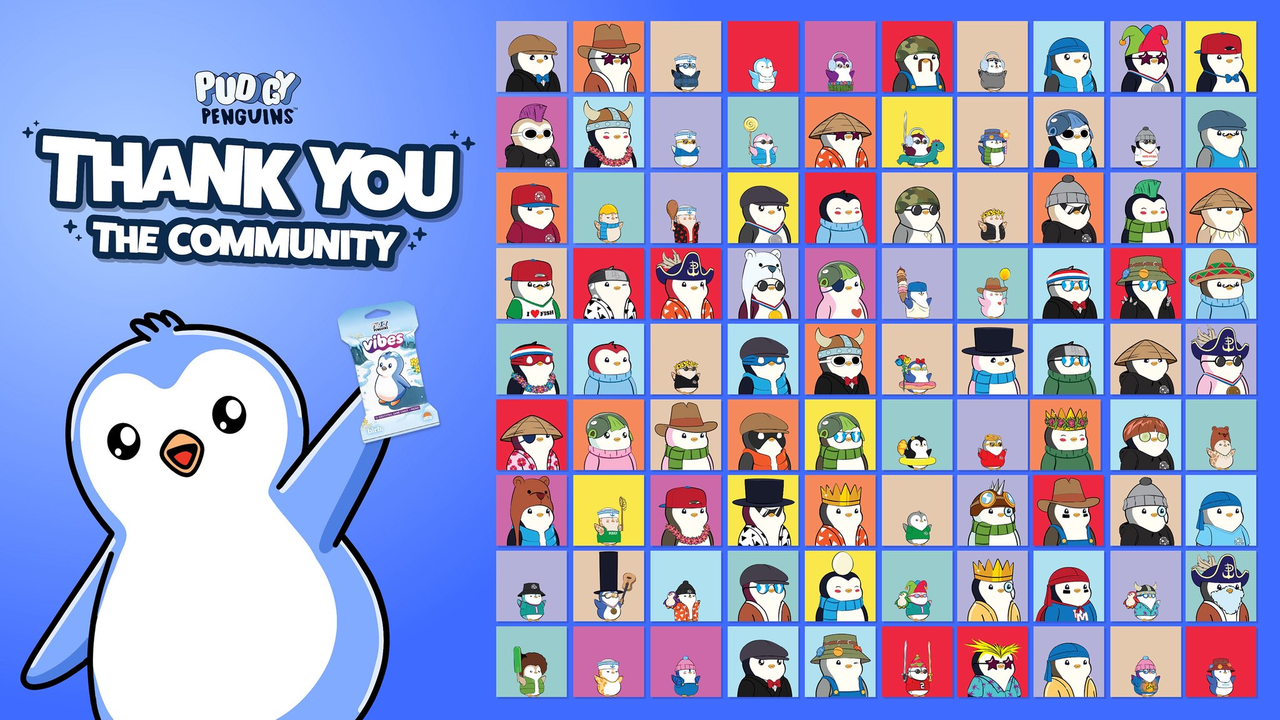
Its origins can be traced back to Pudgy Penguins, an NFT collection launched during the 2021 NFT bull market. The project quickly gained popularity through its distinctive combination of round, adorable penguin characters and strong community-driven engagement, becoming one of the most recognizable PFP (Profile Picture) NFT projects within the Ethereum NFT ecosystem.
However, as the NFT market entered a prolonged correction phase, Pudgy Penguins faced challenges including community management issues and declining market confidence. The influence of the original team weakened, and community activity gradually decreased. The turning point came when Igloo Inc. and Luca Netz took over the project and introduced a new strategy centered around IP revitalization. Their goal was to transform Pudgy Penguins from a collectible NFT series into a consumer-focused digital brand with long-term growth potential.
Under this new vision, Pudgy Penguins shifted its focus from speculation-driven NFT trading to IP-driven ecosystem development. Instead of relying solely on short-term market demand, the project began building stronger character narratives, brand identity, and cross-platform distribution channels.
The launch of PENGU represents a further evolution of this strategy. By transforming the value and influence of the Pudgy Penguins IP into a tradable native token, PENGU aims to expand the ecosystem beyond digital collectibles and create a broader on-chain brand economy that connects Web3 culture with real-world consumer experiences.
The NFT Phase: Building the IP Foundation with ERC-721
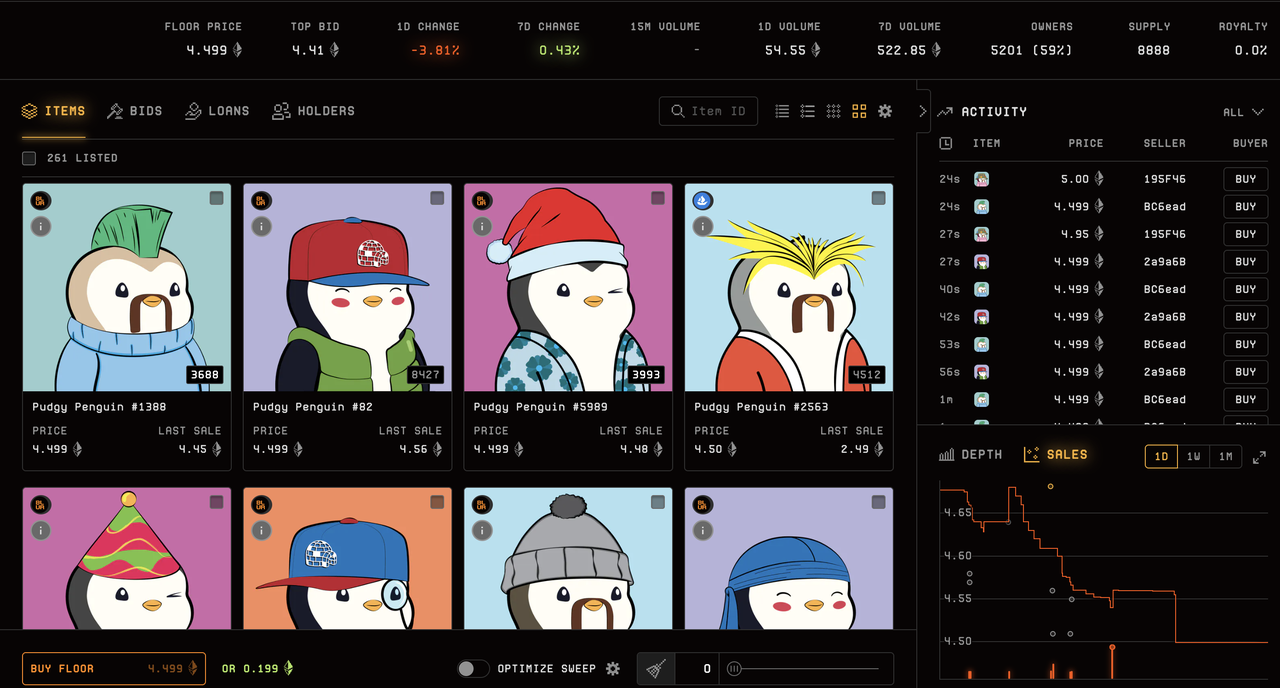
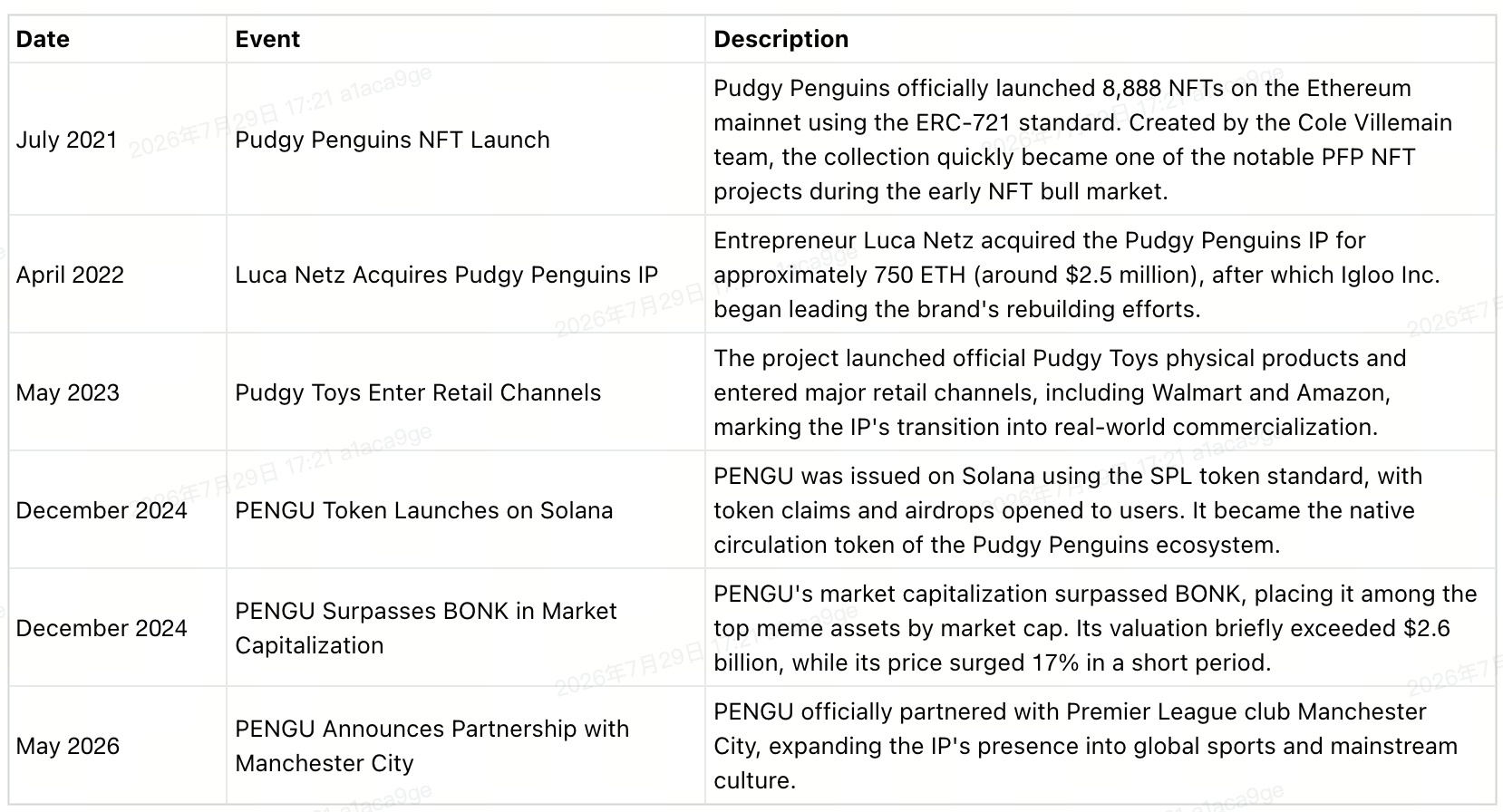
The Pudgy Penguins NFT collection was initially launched on the Ethereum mainnet in 2021, utilizing the ERC-721 standard for non-fungible tokens (NFTs). Under this framework, each penguin NFT was uniquely identifiable and non-interchangeable, forming the foundational layer of the project's early IP ecosystem.
During the NFT market boom, Pudgy Penguins quickly gained traction through its distinctive visual identity and strong community-driven engagement. The collection gradually expanded beyond a digital collectible into a recognizable cultural brand with influence across multiple platforms.
Unlike NFT projects that primarily focused on financial speculation and trading activity, Pudgy Penguins developed a stronger character-based IP identity from the early stages. This foundation created opportunities for broader commercial expansion beyond the NFT market, including brand development, consumer products, and real-world applications.
The unique ownership model enabled by the ERC-721 standard also allowed each NFT to function as an independent digital IP asset. This structure provided the foundation for Pudgy Penguins' later transition from a collection of digital collectibles into a broader branded ecosystem with both digital and physical extensions.
Data Source: BLUR
The Token Phase: Why PENGU Chose Solana
After completing the IP transformation of Pudgy Penguins, the ecosystem introduced its native token PENGU. However, instead of continuing to build on Ethereum — the network where the original NFT collection was launched — PENGU was issued on Solana using the SPL token standard.
Launching an ERC-20 token on Ethereum could have created stronger interoperability with the existing NFT assets within the same ecosystem. However, Ethereum's relatively high gas fees and slower transaction experience make it less suitable for an IP economy model that relies on frequent community interactions and large-scale user participation.
This consideration is particularly important for Pudgy Penguins, which has evolved from an NFT collection into a consumer-oriented IP brand. Its target audience is no longer limited to crypto-native users or highly active on-chain traders, but increasingly includes broader audiences engaging through social experiences, consumer products, and community participation.
By comparison, Solana's low transaction costs and high throughput make it better suited for supporting three key requirements:
- High-frequency transactions and community liquidity
- Large-scale user participation through airdrops and incentive mechanisms
- Future application-layer expansion, including games, community activities, and consumer experiences
Therefore, PENGU's choice essentially repositions the token from a financial asset into an IP circulation medium.
Real-World Commercialization: From Digital IP to Consumer Products
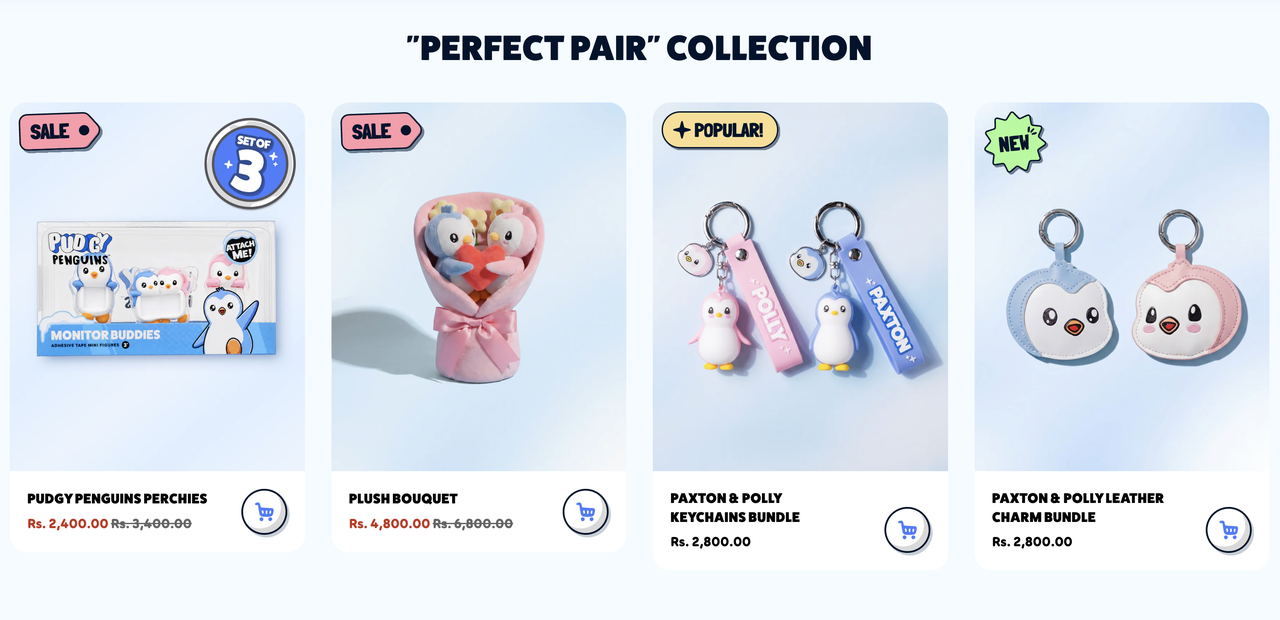
One of the key turning points for Pudgy Penguins was its successful expansion of the NFT IP into real-world products. The team launched an official merchandise store, transforming the PENGU IP into tangible consumer products, including plush toys, keychains, collectible cards, blind boxes, and limited-edition merchandise. This strategy enabled Pudgy Penguins to evolve from an on-chain digital asset into an offline consumer brand.
The core significance of this approach lies in the fact that NFTs are no longer merely trading assets, but can serve as digital gateways for brand licensing and expansion. Users can not only own the IP on-chain but also interact with and consume the IP through real-world products, creating a two-way connection between on-chain ownership and offline experiences.
How to Buy PENGU
Users can acquire PENGU by downloading a Solana-compatible wallet (such as Phantom), depositing SOL, and swapping it for PENGU through decentralized exchanges (DEXs) such as Jupiter or Raydium. This approach is more suitable for advanced users who are familiar with on-chain operations and want to participate directly in the Bonk.fun ecosystem.
For beginners or users who prioritize convenience and security, purchasing PENGU through a regulated centralized exchange (CEX) such as Bitunix offers a more straightforward option. Through centralized crypto exchanges like Bitunix, users can purchase PENGU directly with fiat currencies or stablecoins such as USDT. Some platforms also support instant purchases via credit cards, significantly lowering the entry barrier for new users. Before making a purchase, users typically need to register an account and complete Know Your Customer (KYC) verification to comply with global Anti-Money Laundering (AML) and Counter-Terrorist Financing (CTF) requirements.
Bitunix provides a comprehensive compliance and risk management framework, using mechanisms such as cold and hot wallet separation, multi-signature protection, and real-time monitoring to help enhance asset security for users.
PENGU Timeline: Key Milestones
Disclaimer
This article is not intended to provide:
(i) investment advice or investment recommendations;
(ii) an offer or solicitation to buy, sell, or hold digital assets; or
(iii) financial, accounting, legal, or tax advice.
Digital assets you hold, including stablecoins and NFTs, involve significant risks and may experience substantial price volatility. You should carefully consider whether trading or holding digital assets is suitable for you based on your financial circumstances. For advice specific to your situation, please consult your legal, tax, or investment professionals. You are solely responsible for understanding and complying with all applicable local laws and regulations.
About Bitunix
Bitunix is a global cryptocurrency derivatives exchange trusted by over 5 million users across more than 150 countries/districts. The platform is committed to providing a transparent, compliant, and secure trading environment for every user. Bitunix offers a fast registration process and a user-friendly verification system supported by mandatory KYC to ensure safety and compliance.
With global standards of protection through Proof of Reserves (POR) and the Bitunix Care Fund, Bitunix prioritizes user trust and fund security. The K-Line Ultra chart system delivers a seamless trading experience for both beginners and advanced traders, while leverage of up to 200x and deep liquidity make Bitunix one of the most dynamic platforms in the market.
Bitunix Global Accounts
X | Telegram Announcements | Telegram Global | CoinMarketCap | Instagram | Facebook | LinkedIn | Reddit | Medium