
What is Pyth Network?
Pyth Network is a next-generation decentralized oracle network designed to bridge the gap between off-chain financial markets and on-chain smart contracts.
In blockchain development, smart contracts can automatically execute code but lack the native ability to pull real-world data. Accurate data feeds—such as Bitcoin prices, gold rates, US stock prices, foreign exchange (FX) rates, and macroeconomic indicators—exist outside the blockchain. Without reliable access to these data streams, decentralized finance (DeFi) applications like lending protocols and derivatives platforms cannot function. This makes crypto oracles an indispensable pillar of Web3 infrastructure.
Launched in 2021, Pyth Network was co-founded by leading traditional finance (TradFi) and institutional crypto giants, including Jump Crypto, Jane Street, Cboe, and Virtu Financial. Unlike Chainlink, which acts as a generalized data ecosystem, Pyth specifically focuses on providing high-frequency, sub-second financial market data. Today, Pyth covers crypto, equities, ETFs, FX, and commodities, cementing its status as the most vital financial data infrastructure in the Solana ecosystem.
Pyth vs. Chainlink: How the Pull Oracle Architecture Redefines DeFi
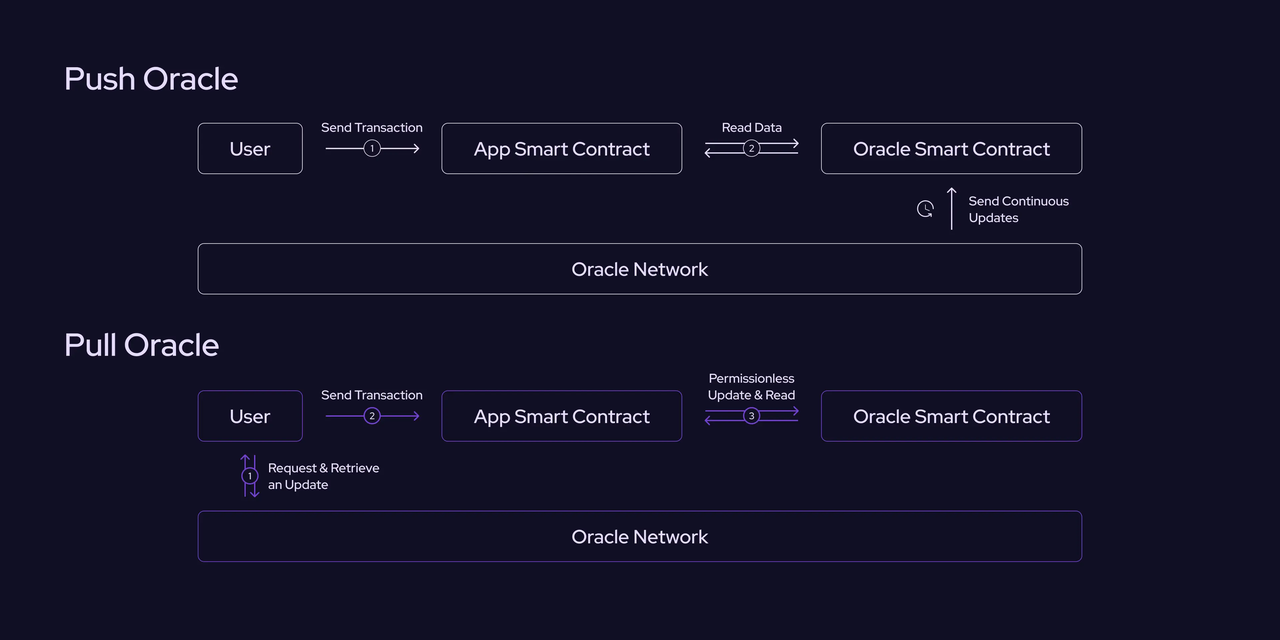
To understand Pyth's competitive edge, it is essential to look at the differences between the Push Model vs. Pull Model in blockchain oracle architecture.
- The Push Model (Chainlink): Traditionally, networks like Chainlink rely on nodes to constantly push price updates directly onto blockchain. While highly secure, this model requires paying on-chain gas fees for every single update, naturally limiting how frequently data can refresh.
- The Pull Model (Pyth Network): Pyth flips this design. Data providers continuously stream real-time prices to Pyth’s off-chain data layer. Instead of flooding the blockchain, a DeFi protocol actively "pulls" the precise, latest price feed onto the chain only when a user triggers a transaction.
This structural shift drastically slashes on-chain transaction fees and enables ultra-low latency updates. For crypto perpetual exchanges, decentralized options platforms, and high-frequency trading (HFT) apps, a few seconds of data lag can result in massive arbitrage losses or liquidated user funds. While Chainlink focuses heavily on how to securely bring data on-chain, Pyth optimizes for how to bring financial data on-chain at lightning speed.
First-Party Data: Bringing Wall Street Trading Directly On-Chain
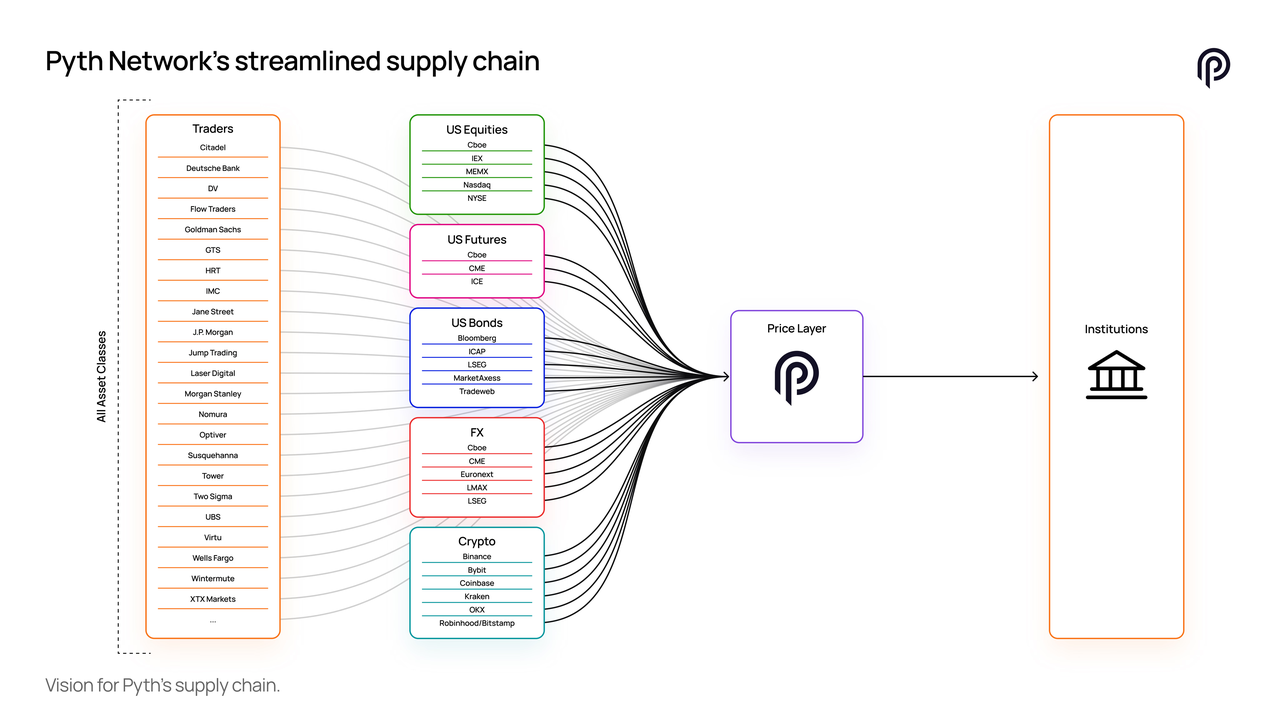
One of Pyth's core innovations is its commitment to First-Party Data.
Traditional crypto oracles usually scrape pricing information from public exchange APIs, aggregator websites, or third-party data clearinghouses. Pyth bypasses these middlemen entirely. Its data is sourced directly from the original market creators—world-class market makers, institutional trading desks, and global exchanges. Pyth's network publishers include Jump Trading, Jane Street, Cboe Global Markets, Wintermute, and GSR.
When a price shifts in the real world, these institutions feed their proprietary quotes directly into the Pyth Network. Pyth then processes these feeds through an advanced aggregation algorithm to combat manipulation, instantly syncing the validated data across multiple blockchains. By sourcing data directly from the root, Pyth maximizes accuracy and market responsiveness, making it the preferred oracle solution for capital-efficient Solana DeFi protocols.
Exploring the Cross-Chain Pyth Network Ecosystem
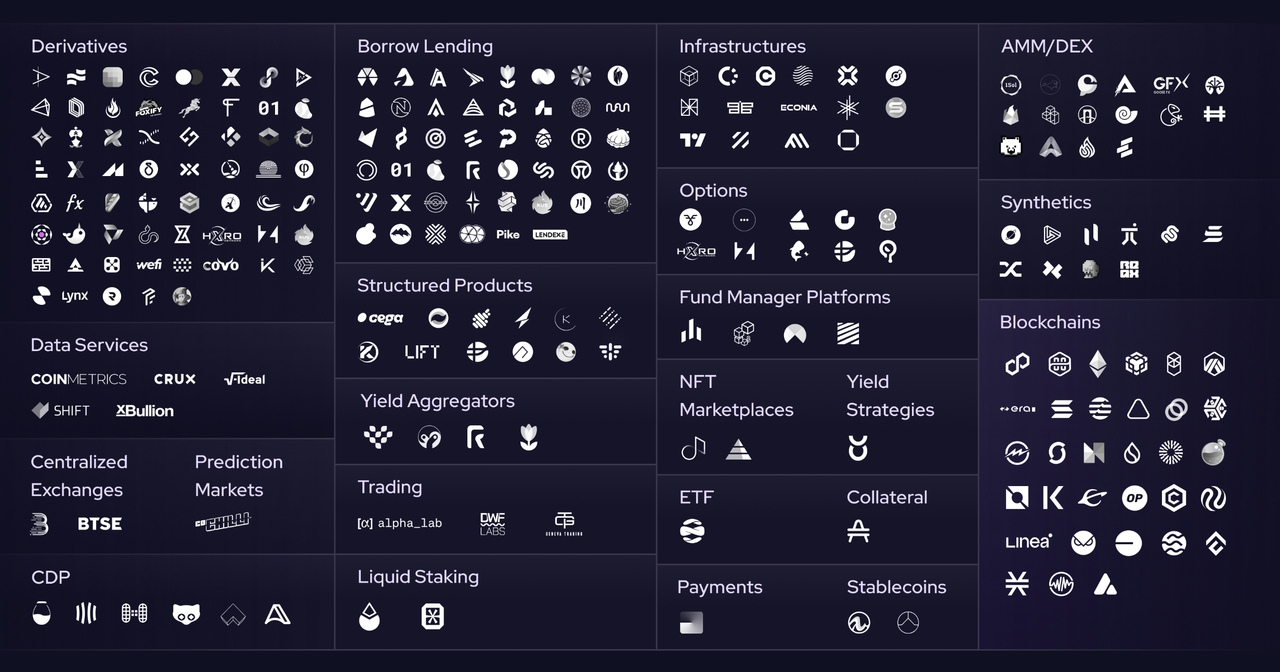
As Solana DeFi experiences a massive resurgence, Pyth has scaled to become a backbone asset for decentralized applications (dApps). Its low-latency price feeds secure billions in Total Value Locked (TVL) across automated market makers (AMMs), lending protocols, and yield aggregators.
While built natively on Solana, Pyth utilizes cross-chain messaging infrastructure like Wormhole to export its data services. Today, Pyth powers financial smart contracts across Ethereum, Arbitrum, Optimism, Base, Aptos, and Sui, establishing a truly chain-agnostic financial data network.
PYTH Tokenomics: Governance, Airdrops, and Utility
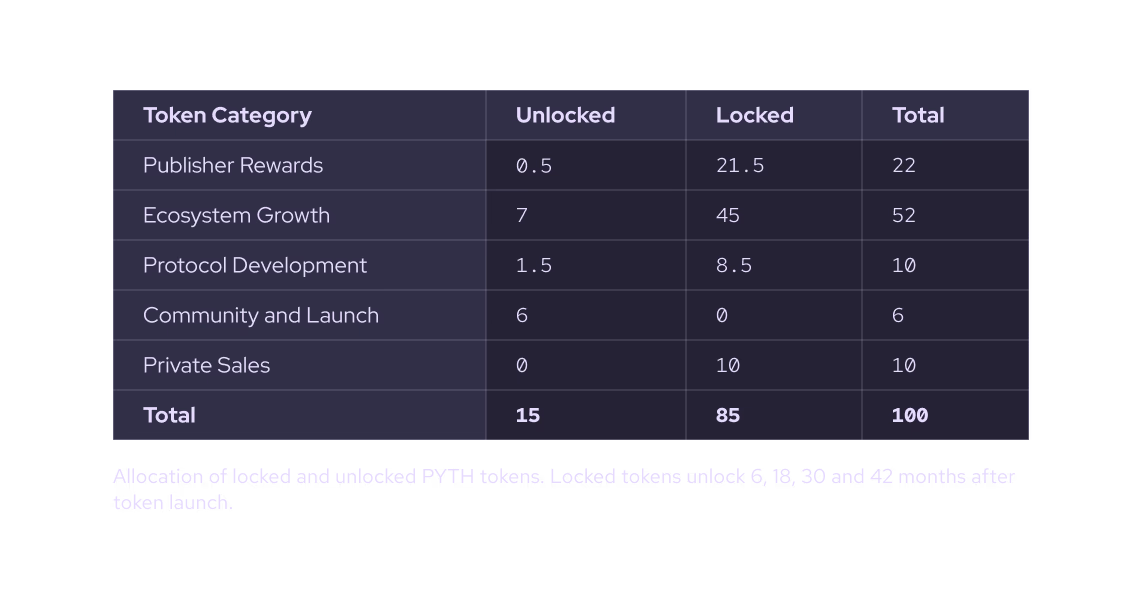
The PYTH token, launched in late 2023, drives the ecosystem’s decentralized economy. Pyth captured early Web3 attention by executing a massive retroactive airdrop for early users, ecosystem dApps, and developers to ensure decentralized token distribution from day one.
With a total maximum supply of 10 billion tokens, the PYTH token distribution is heavily geared toward ecosystem incentives, community rewards, and protocol development.
Beyond speculation, PYTH features strong utility:
- Protocol Governance: PYTH holders stake their tokens to vote on network parameters, software upgrades, and ecosystem grant distributions.
- Publisher Incentives: The token mechanism aligns economic incentives between data publishers and network consumers, ensuring top-tier financial institutions remain committed to broadcasting accurate feeds.
As institutional onboarding accelerates, the intrinsic value of PYTH utility within the network's data economy scales accordingly.
How to Buy and Stake PYTH Tokens
For early crypto adoption, user interaction with on-chain governance can be technically complex. However, buying PYTH has become highly accessible via both decentralized venues and global centralized exchanges (CEXs).
Platforms like Bitunix simplify token acquisition by allowing crypto investors to trade stablecoins (like USDT) or utilize fiat on-ramps and credit cards directly for PYTH.
To start investing safely:
- Register an account on a compliant exchange and complete the mandatory Identity Verification (KYC) process to satisfy global Anti-Money Laundering (AML) standards.
- Fund your account using fiat or crypto deposits.
- Secure your assets. Leading exchanges protect your capital using institutional-grade features like cold storage asset isolation, multi-signature keys, and continuous risk monitoring.
Once acquired, investors can withdraw PYTH from a native Solana wallet (like Phantom) to stake directly on the Pyth governance portal.
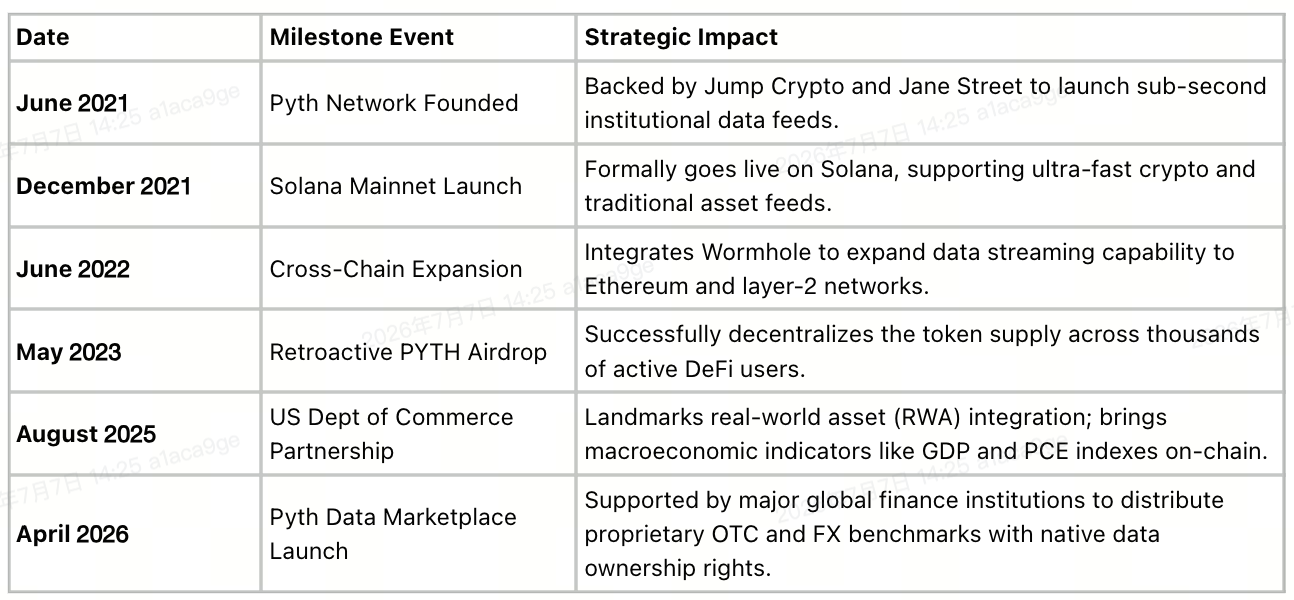
PYTH Historical Timeline and Key Milestones
Disclaimer
This article is not intended to provide:
(i) investment advice or investment recommendations;
(ii) an offer or solicitation to buy, sell, or hold digital assets; or
(iii) financial, accounting, legal, or tax advice.
Digital assets (including stablecoins and NFTs) involve high risk and may be highly volatile. You should carefully consider whether trading or holding digital assets is suitable for you based on your financial situation. For your specific circumstances, consult your legal, tax, or investment professionals. You are responsible for understanding and complying with all applicable local laws and regulations.
About Bitunix
Bitunix is a global cryptocurrency derivatives exchange trusted by over 3 million users across more than 100 countries. At Bitunix, we are committed to providing a transparent, compliant, and secure trading environment for every user. Our platform features a fast registration process and a user-friendly verification system supported by mandatory KYC to ensure safety and compliance. With global standards of protection through Proof of Reserves (POR) and the Bitunix Care Fund, we prioritize user trust and fund security. The K-Line Ultra chart system delivers a seamless trading experience for both beginners and advanced traders, while leverage of up to 200x and deep liquidity make Bitunix one of the most dynamic platforms in the market.
Bitunix Global Accounts
X | Telegram Announcements | Telegram Global | CoinMarketCap | Instagram | Facebook | LinkedIn | Reddit | Medium