

his article focuses on real-world futures trading scenarios. It breaks down six core news signals and combines them with practical market examples to help you move from “not understanding the news” to “knowing how to use the news.” The goal is to avoid common misinterpretations, capture news-driven market opportunities, and apply macro signals to improve decision-making in the futures market.
Macroeconomics: The Most Stable and Trend-Driving Category
Impact: Determines the broader market direction and often influences trend continuation or reversals.
1. Federal Reserve Interest Rate Decisions: Hikes and Cuts
- Core Logic:
Interest rate hikes raise the cost of capital and often support yield-bearing assets such as government bonds. This can reduce risk appetite and increase the opportunity cost of holding non-yielding assets like BTC.
Interest rate cuts typically ease liquidity conditions and can improve risk sentiment across equities and crypto, which may support BTC.
- Typical Market Pattern:
During tightening cycles, BTC has often faced downside pressure alongside rising Treasury yields and a stronger US dollar.
When markets begin pricing in rate cuts, liquidity expectations tend to improve and BTC may rebound as risk appetite returns.
2. Inflation Data: CPI
- Core Logic:
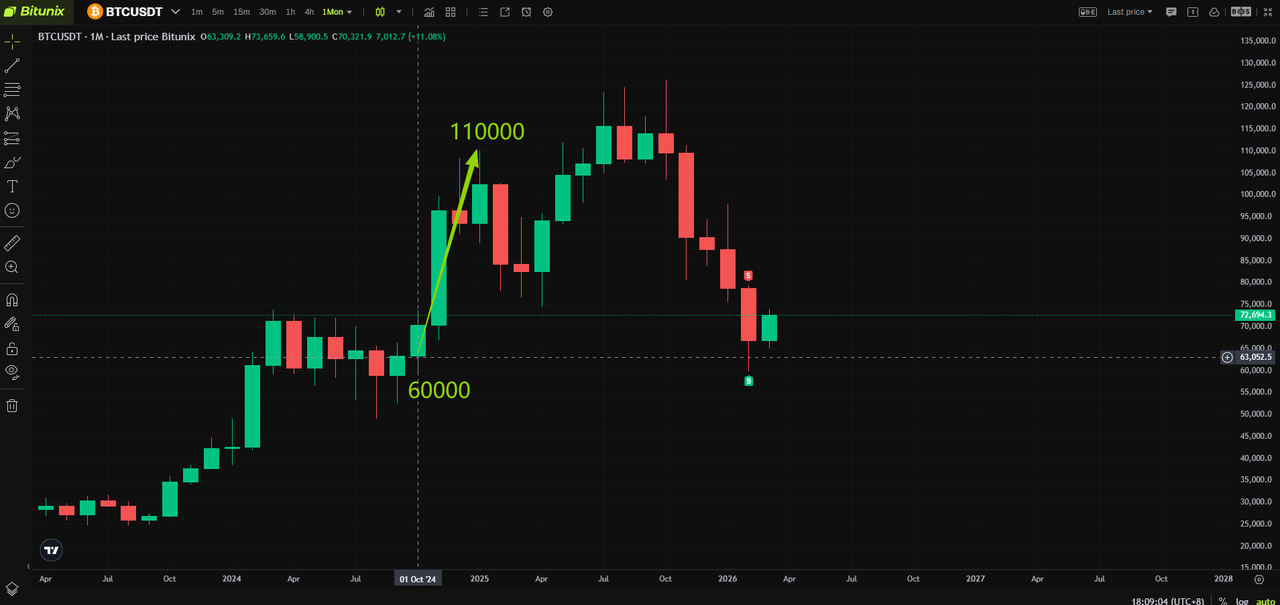
If CPI comes in above expectations, markets may price in tighter policy or delayed rate cuts. This can strengthen the US dollar, lift Treasury yields, and pressure BTC and other risk assets. If CPI comes in below expectations, markets may price in looser policy or earlier rate cuts, which can support BTC.
- Typical Market Pattern:
CPI Below Expectations: BTC often reacts positively, with faster upside moves and stronger short-term momentum.
CPI Above Expectations: BTC often reacts negatively, with sharp drawdowns followed by choppy consolidation as the market reprises policy expectations.
3. US Labor Market Data: Non-Farm Payrolls
- Core Logic:
If jobs data is stronger than expected, the US dollar and Treasury yields may rise. Liquidity conditions often tighten, and BTC may come under pressure due to higher opportunity costs and reduced risk appetite.
If jobs data is weaker than expected, the US dollar and yields may ease. Liquidity expectations can improve, increasing demand for risk assets and supporting BTC.
- Typical Market Pattern:
Non-Farm Payrolls Above Expectations: BTC may drop quickly, then attempt a technical rebound, but often struggles to reclaim prior support levels.
Non-Farm Payrolls Below Expectations: BTC may rise quickly and may form a V-shaped reversal on lower timeframes.
4. US Dollar Index and US Treasury Yields
- Core Logic:
When the US dollar index rises and Treasury yields increase, global liquidity often tightens. This typically pressures BTC and other risk assets. When the US dollar index falls and yields decline, liquidity conditions often ease, which can support BTC.
- Typical Market Pattern:
1.US Dollar Index Strengthens: BTC often shows a negative macro correlation with the dollar, so BTC may weaken as the dollar rises.
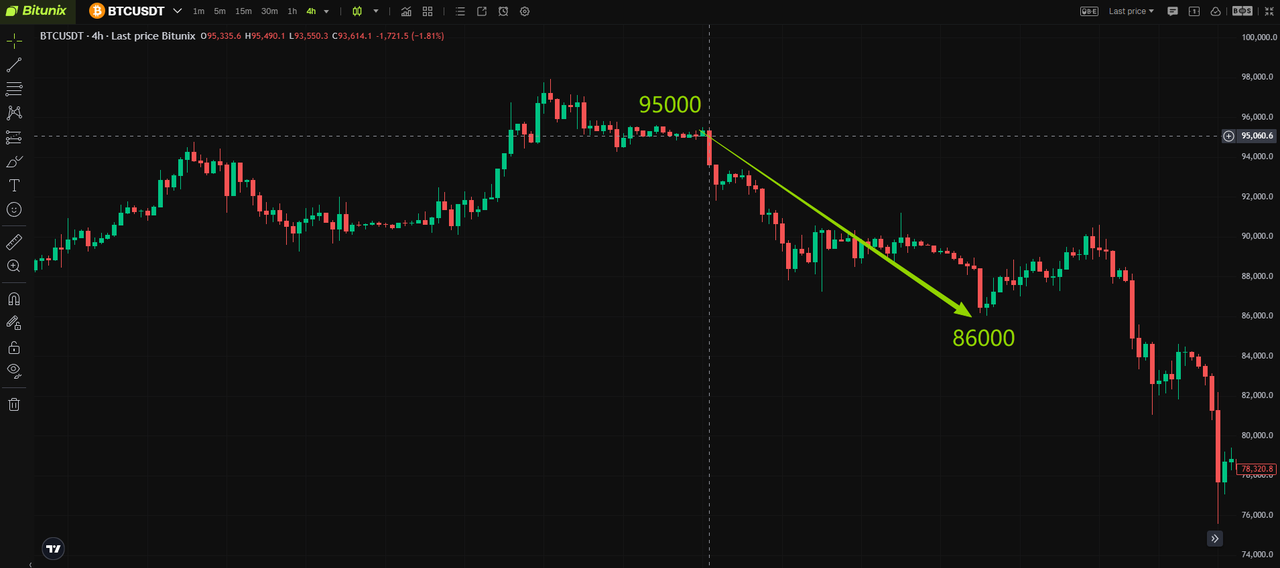
2.Treasury Yields Surge: Higher yields can pressure BTC due to higher opportunity costs and a shift toward risk-off positioning.
3.US Dollar Index Weakens: A softer dollar often aligns with improved liquidity expectations, which can support BTC.
4.Treasury Yields Decline: Falling yields can reduce the opportunity cost of holding BTC and support a rebound as risk appetite improves.
Policy Supervision: High-Impact Events That Often Trigger Volatility in Futures
Impact: High suddenness. Prone to sharp rallies and sell-offs. Frequently causes rapid position unwinds on both the long and short side.
1. Regulatory Acts and Trading Restrictions
- Case: The European Union introduced the Markets in Crypto-Assets (MiCA) framework to regulate areas such as stablecoins, crypto platforms, and service providers, while clarifying compliance pathways for legal operation.
- Typical BTC Reaction: Clear regulatory frameworks can improve institutional confidence and reduce uncertainty. This often supports mid-term sentiment and can contribute to a steadier upward trend, especially if the policy direction is viewed as constructive.
2. Compliance Tailwinds: Licensing, Listings, and Legalization
- Case: Major payment or financial platforms expanding compliant crypto services, such as enabling users to buy, hold, or sell cryptocurrencies, can be interpreted as a positive compliance signal.
- Typical BTC Reaction: Compliance progress often improves broader market expectations. In many cases, the market reacts with a rapid upside move followed by consolidation as participants reassess valuation and adoption expectations.
Industry Fundamentals: Signals That Shape Mid-Term Sentiment
Impact: Often influences trend continuation and whether the market structure remains bullish or bearish.
1.Bitcoin Halving and Supply Reduction: Supply-Demand Rebalancing
- Case: Bitcoin’s halving reduces the rate of new BTC issuance. Over time, this can tighten supply, and if demand holds or grows, it can support a stronger mid-term trend.
- Typical BTC Reaction: Markets often price in halving expectations ahead of time, then reassess momentum after the event based on liquidity conditions, demand strength, and broader risk sentiment.
2.Institutional Flows: ETFs and Large-Scale Allocation Changes
- Case: Institutional participation, including spot BTC ETF flow dynamics and large allocation announcements, can materially affect sentiment.
- Typical BTC Reaction: Strong net inflows often provide buying support and can accelerate trend continuation. Weakening inflows or outflows can have the opposite effect, especially during risk-off macro periods.
3.On-Chain and Liquidity Indicators: Exchange Balances and Stablecoin Activity
- Case: Metrics such as exchange BTC balances, stablecoin issuance trends, and broader on-chain activity can indicate whether liquidity is entering or leaving the market.
- Typical BTC Reaction: Falling exchange balances are often interpreted as reduced immediate sell-side supply. Rising exchange balances may be interpreted as increased potential sell pressure. These signals are most useful when confirmed by price action and volume.
Large Investors, Exchanges, and Major Events: The Most Intense Short-Term Drivers
Impact: Short-term spikes, fast reversals, and elevated liquidation risk in the futures market.
1.Whale Transfers and Large Sells: Panic and Short-Term Sell-Offs
- Case: Large BTC transfers to exchanges can trigger market concern about potential sell pressure.
- Typical BTC Reaction: Price may drop quickly on fear and reduced liquidity. If follow-through selling is limited, the market may stabilize and rebound. If selling accelerates, the decline can extend.
2.Exchange Incidents: Theft, Downtime, or Default Events
- Case: Major exchange failures, security incidents, or withdrawal restrictions can trigger a trust shock across the market.
- Typical Market Reaction: Rapid downside moves are common, especially in leveraged markets. Futures positions may be force-closed due to margin stress, which can amplify the move through cascading liquidations.
3.Large-Scale Liquidations: Forced Unwinds That Accelerate One-Way Moves
- Case: When liquidations surge in a short period, the market can enter a cascade, where forced position closures push prices further, triggering additional liquidations.
- Typical Market Reaction: This dynamic can create sharp, one-directional moves. In futures trading, this is often reflected in rapid changes in open interest, funding rates, and intraday volatility.
Risk Sentiment Category: Black Swan Events and Risk-Off Shifts
Impact: Can trigger global panic and broad-based selling, or a rapid market-wide rebound once fear fades.
1.Financial Crises and Bank Failures: Liquidity Stress and Risk-Asset Sell-Offs
- Case: In March 2023, Silicon Valley Bank (SVB) collapsed due to a liquidity crisis, which intensified global banking concerns and drove a sharp increase in risk aversion. BTC fell from around $25,000 to $19,000 within 48 hours, and both crypto and traditional risk assets declined broadly.
- Typical Market Reaction: During liquidity stress, market participants often reduce leverage and rotate away from risk assets. In futures markets, this is commonly accompanied by rapid deleveraging and forced liquidations, which can amplify downside moves.
2.Global Risk Events: Flight to Safety and Capital Rotation Into Safe-Haven Assets
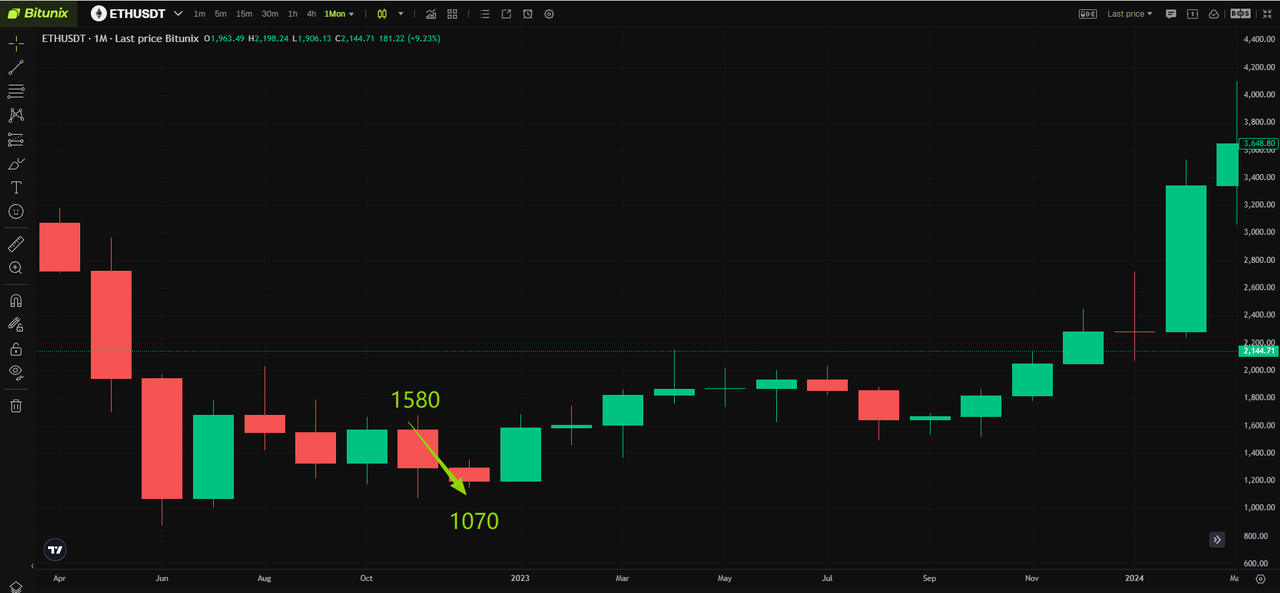
- Case: In February 2022, the Russia-Ukraine conflict escalated, geopolitical risk surged, and the market panic index (VIX) spiked. Funds moved away from risk assets toward safe-haven assets such as the US dollar and gold. BTC dropped from roughly $44,000 to $34,000, with a single-day decline of more than 22%, and the broader crypto market experienced systemic selling.
- Typical Market Reaction: When geopolitical risk rises sharply, liquidity typically moves into safer assets. Crypto often trades as a high-beta risk asset during these periods, which increases drawdown risk, particularly when leverage is elevated.
Technical Fundamentals and News Resonance: The Strongest Trading Environment
Impact: News acts as a catalyst, but the most decisive market moves typically occur when news aligns with key technical levels and confirms price structure.
1.Key Levels (Support and Resistance) Plus News Catalysts: Sharp Reversals or Breakouts
- Case: In March 2023, BTC tested a strong support zone near $19,000. This coincided with improving expectations around the US banking situation and a slowdown in the pace of Fed tightening. BTC rebounded sharply toward $28,000 within 48 hours, gaining more than 47%. The combination of strong technical support and supportive news created a clear resonance.
- Trading Takeaway: When news supports the prevailing technical setup, price tends to react faster and more decisively. In futures trading, this often results in rapid shifts in open interest, funding rates, and liquidation intensity.
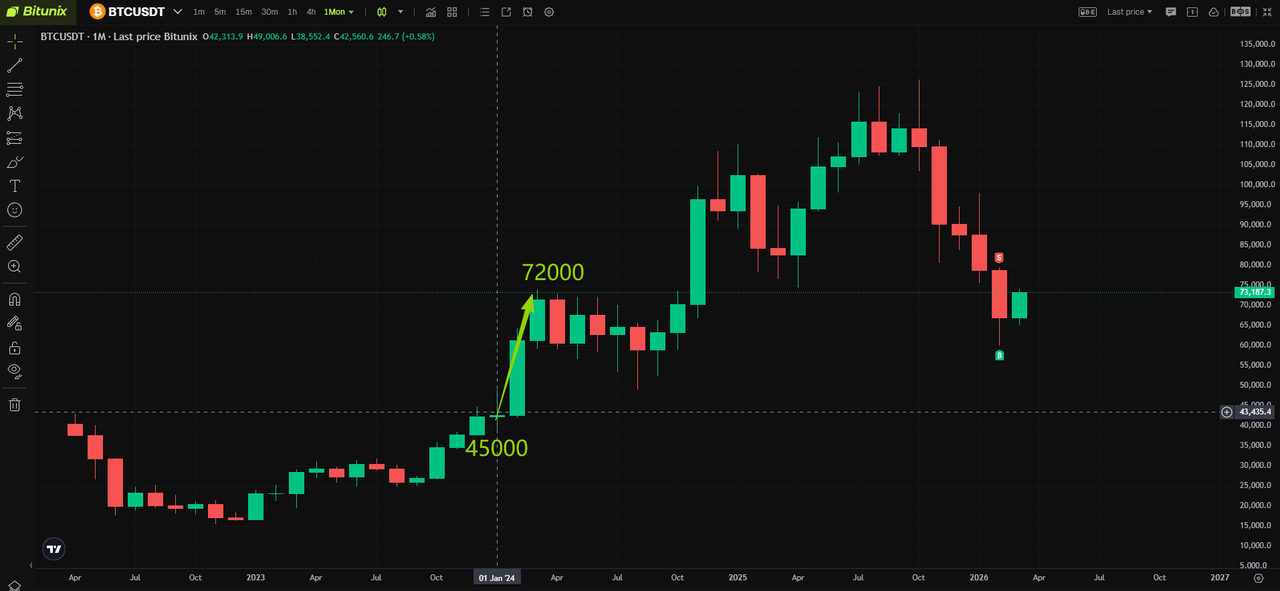
2.Breakout Structures Plus Positive Data: Trend Acceleration
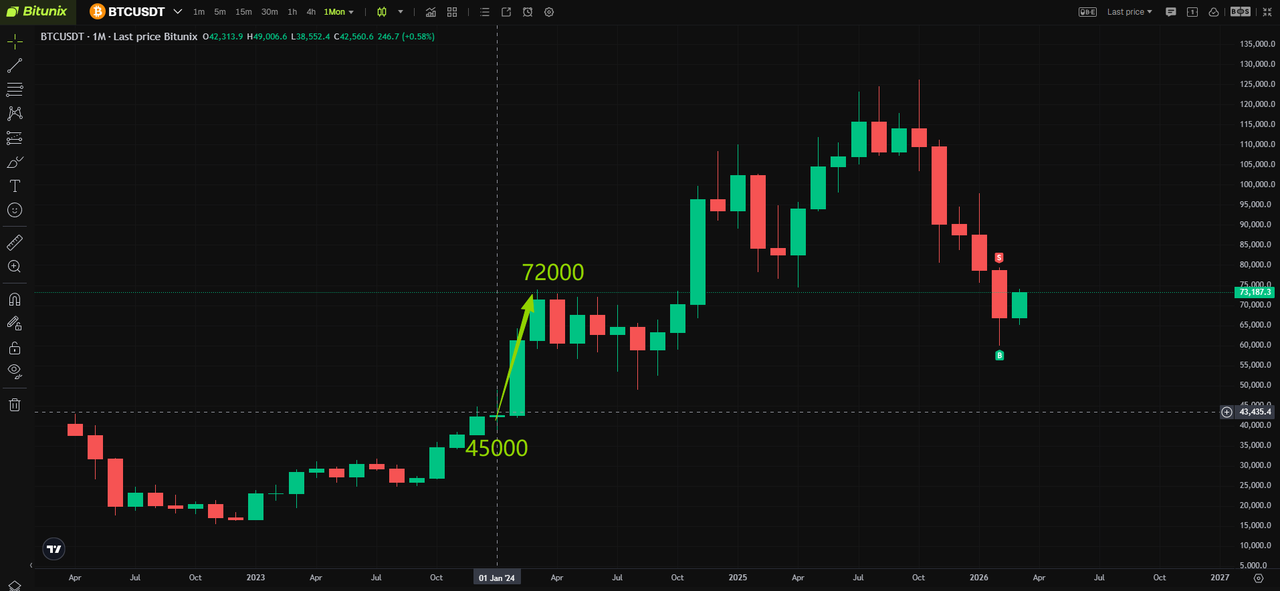
- Case: In February 2024, BTC broke above a major resistance level near $48,000. At the same time, CPI data came in below expectations and spot BTC ETF inflows remained strong. BTC then accelerated from roughly $45,000 to $72,000 as the uptrend gained momentum.
- Trading Takeaway: Breakouts are more reliable when supported by both technical confirmation and positive macro or flow-driven signals. In futures markets, this typically appears as rising open interest during trend continuation and a sustained shift in market positioning.
Summary of Core News Types and Their Impact on Trading Decisions
1.Macro News:
Best used to identify the broader market trend. In general, rate hikes, a stronger US dollar, and high inflation tend to pressure risk assets, which can favor defensive positioning or short-biased setups. Rate-cut expectations, a weaker US dollar, and easing inflation often improve liquidity expectations, which can support long-biased setups.
2.Policy and Regulatory News:
Often sets the market’s risk appetite. Negative regulatory headlines can trigger risk-off moves and increase downside volatility. Clear compliance progress, licensing developments, and constructive regulation can improve sentiment. In a trending market, policy news is often used to confirm the direction and manage position sizing.
3.Industry Fundamentals and Structural News:
Typically influences mid-term market structure, such as halving narratives, spot ETF flow trends, and long-term supply and demand dynamics. These signals often support trend continuation strategies, especially when price action confirms bullish structure.
4.Major Accounts, Exchanges, and Event-Driven News:
Primarily short-term drivers that can create sharp volatility, especially in perpetual futures markets. Examples include whale-driven shocks, exchange incidents, or abnormal flow events. The priority is risk control, reducing leverage, and avoiding
emotional trades during extreme volatility.
5.Black Swan Events:
High-risk events that can trigger market-wide deleveraging and liquidation cascades. In these conditions, the priority is strict risk management, including tighter stop-loss discipline, reduced position size, and avoiding overtrading until volatility stabilizes.
6.News Plus Technical Resonance:
The highest-probability setup often appears when major news aligns with key technical levels, such as strong support or resistance, and confirms market structure. When both fundamentals and technicals point in the same direction, traders can act more decisively, with clearer invalidation levels and stronger follow-through potential.
Disclaimer
This article is not intended to provide:
(i) investment advice or investment recommendations;
(ii) an offer or solicitation to buy, sell, or hold digital assets; or
(iii) financial, accounting, legal, or tax advice.
Digital assets (including stablecoins and NFTs) involve high risk and may be highly volatile. You should carefully consider whether trading or holding digital assets is suitable for you based on your financial situation. For your specific circumstances, consult your legal, tax, or investment professionals. You are responsible for understanding and complying with all applicable local laws and regulations.
About Bitunix
Bitunix is a global cryptocurrency derivatives exchange trusted by over 3 million users across more than 100 countries. The platform is committed to providing a transparent, compliant, and secure trading environment for every user. Bitunix offers a fast registration process and a user-friendly verification system supported by mandatory KYC to ensure safety and compliance. With global standards of protection through Proof of Reserves (POR) and the Bitunix Care Fund, Bitunix prioritizes user trust and fund security. The K-Line Ultra chart system delivers a seamless trading experience for both beginners and advanced traders, while leverage of up to 200x and deep liquidity make Bitunix one of the most dynamic platforms in the market.
Bitunix Global Accounts
X | Telegram Announcements | Telegram Global | CoinMarketCap | Instagram | Facebook | LinkedIn | Reddit | Medium