Understanding and Selecting Types of Digital Assets
The cryptocurrency market is not only about well-known investment targets such as Bitcoin and Ethereum. Investors today have hundreds or even thousands of digital asset options available for portfolio allocation. To make informed decisions, it is essential to first understand the main classifications of digital assets.
Mainstream Coins: “Core Assets” for Beginners
Features:
Mainstream coins are crypto assets that rank among the top projects by market capitalization (typically the top 20). These coins usually have large user bases, deep liquidity, active trading volumes, and proven market histories. They have undergone multiple market cycles and demonstrated strong resilience against risks.
Mainstream assets also tend to hold broad consensus within the crypto community, have high real-world utility, and maintain better liquidity compared to niche tokens. As a result, they are widely regarded as the foundational assets for both new and experienced investors.
Examples:
- Bitcoin (BTC): The leading cryptocurrency and the most recognized decentralized asset in the world.
- Ethereum (ETH): The leader in smart contract platforms, powering DeFi, NFTs, and decentralized applications.
- Solana (SOL): A high-performance blockchain known for scalability and rapid ecosystem development.
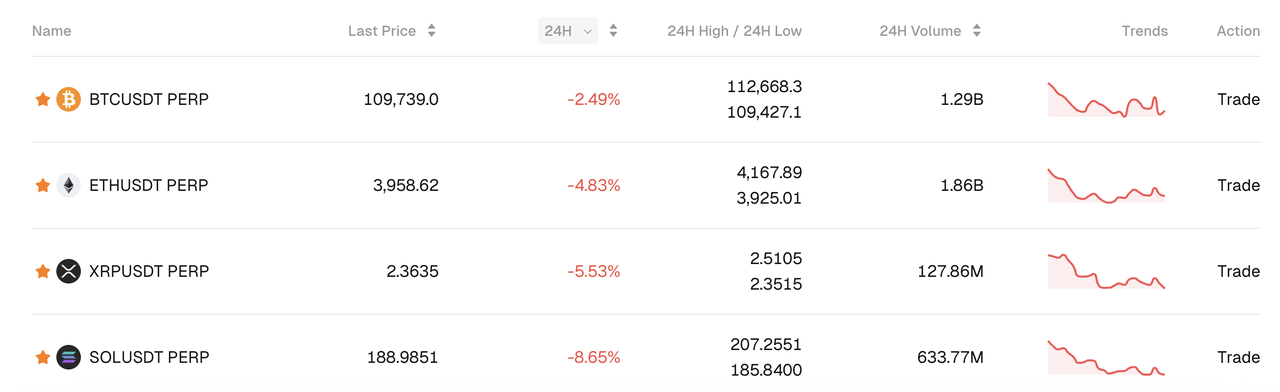
For beginners, allocating funds into mainstream assets such as Bitcoin, Ethereum, or Solana is often the most appropriate first step. These assets have higher market awareness, liquidity, and relatively lower volatility compared to newer projects. They form a stable foundation for any crypto investment portfolio.
Stablecoins: The Lowest-Risk “Safety Pad”
Features:
Stablecoins are cryptocurrencies pegged to fiat currencies such as the U.S. dollar (e.g., 1 USDT ≈ 1 USD). Their prices remain relatively stable, making them useful as safe-haven assets and transactional tools within the crypto ecosystem.
Stablecoins serve as a bridge between crypto and traditional finance. They allow users to store value, transfer funds, or exit volatile positions without converting back into fiat.
Examples:
- USDT (Tether): The first and most widely used stablecoin, pegged to the U.S. dollar and backed by reserves held by Tether.
- USDC (Circle): Issued by Circle with transparent reserves and strong compliance standards.
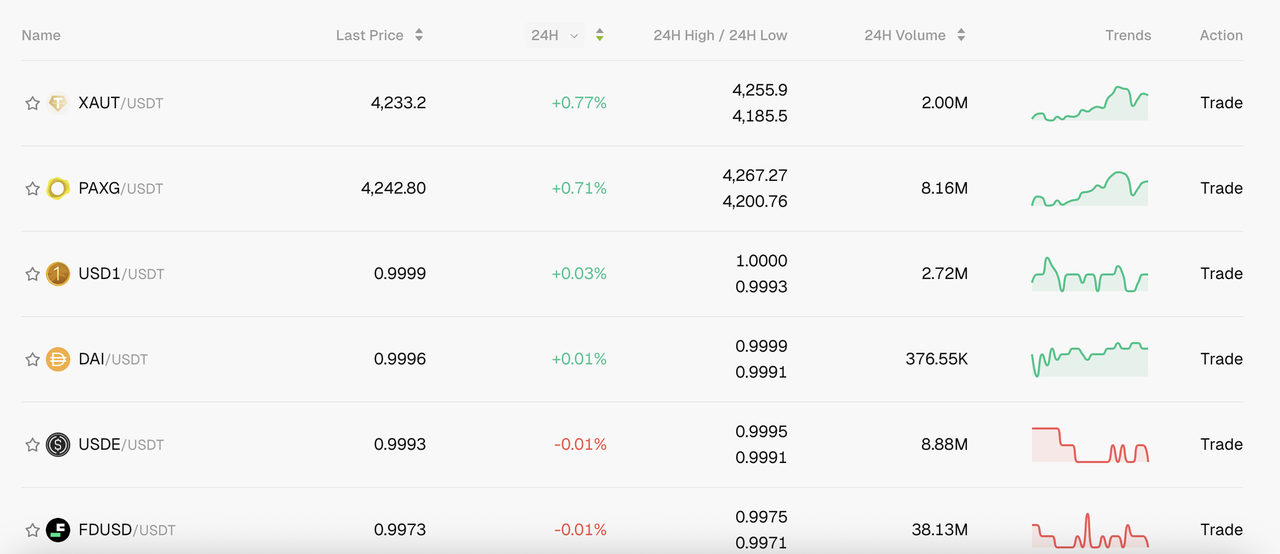
Stablecoins such as USDT, USDC, TUSD, and DAI play an important role in balancing portfolios, preserving value, and providing liquidity during market volatility.
High-Risk Altcoins: The “Potential High-Return Track”
Features:
High-risk altcoins refer to cryptocurrencies beyond the mainstream ones like Bitcoin and Ethereum. These projects usually have smaller market capitalizations and focus on specific sectors, such as privacy, cross-chain communication, or GameFi.
Many of these altcoins bring innovative technologies and unique value propositions; however, a significant number lack practical adoption or sustainable utility. Their market awareness and liquidity are generally lower, and price volatility is considerably higher.
Examples:
- Zcash (ZEC): A privacy-focused blockchain.
- Chainlink (LINK): An oracle network connecting smart contracts to real-world data.
- Cardano (ADA): A research-driven smart contract platform emphasizing scalability and sustainability.
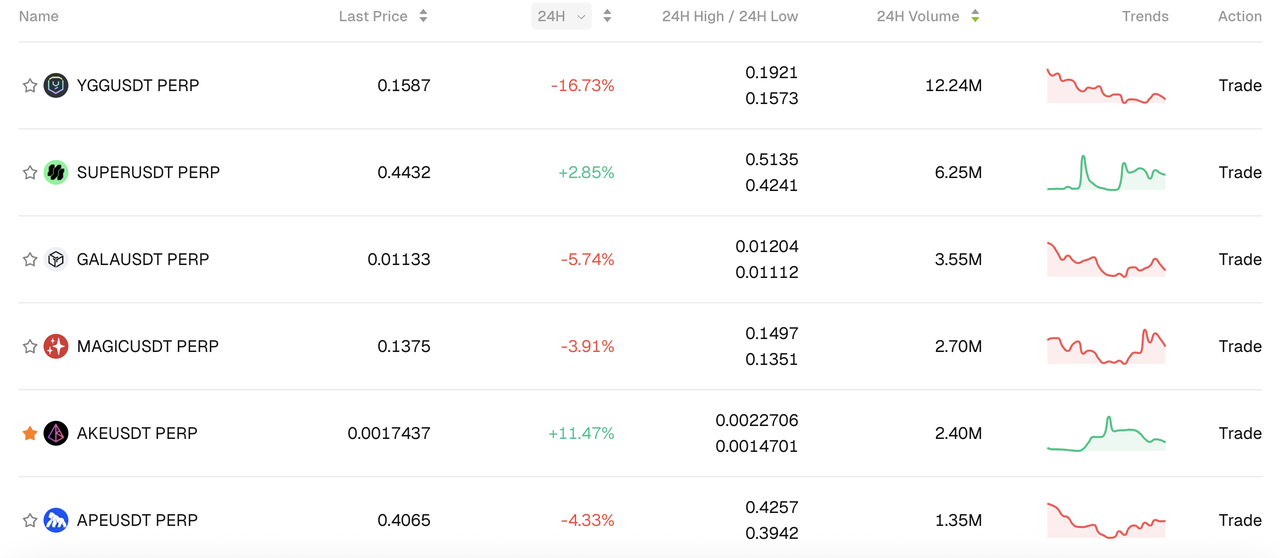
While these altcoins can yield high potential returns, they also carry greater risks. For new investors, it is crucial to research each project’s fundamentals, understand its technology, and evaluate whether the investment aligns with personal risk tolerance.
Meme Coins: Speculation-Driven “Emotional Assets”
Features:
Meme coins are cryptocurrencies created from internet culture, popular memes, or community trends. Their prices are largely influenced by social media sentiment, celebrity promotion, and short-term speculation. These coins typically lack strong fundamentals, and their price movements are extremely volatile.
Examples:
- Dogecoin (DOGE): The original meme coin, popularized by Elon Musk and supported by a strong community.
- Shiba Inu (SHIB): An Ethereum-based meme token inspired by Dogecoin, with its own ecosystem and fan base.
- WiFi (WIF): A newer meme coin known for its community-driven hype.
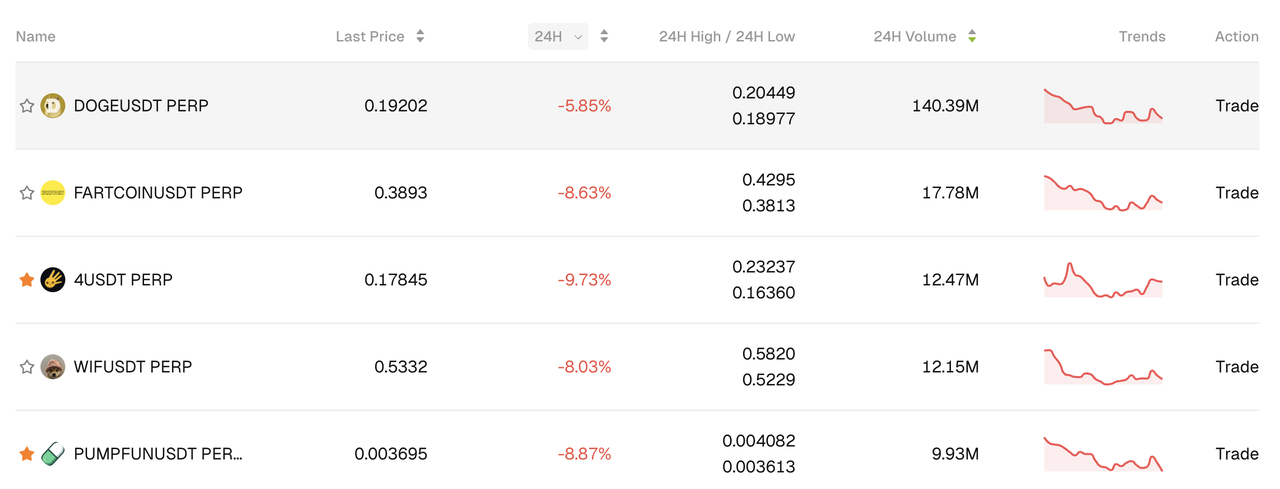
Meme coins are driven almost entirely by speculation and sentiment. Their value can rise sharply overnight or crash just as quickly. Beginners should only invest minimal funds, preferably “entertainment money" that they can afford to lose.
Core strategies for novice asset allocation
Novices need to take "risk controllable" as the core, follow the logic of "basic positioning steadily, risk positioning small attempts", as follows:
- Basic positioning (80% -90% of total crypto investment): stablecoins + mainstream coins
- Risk positioning (within 10% of total crypto investments): counterfeit products
- MEME Coin: Beginners should try to avoid it or participate with "very little capital" (≤ 5%).
Core Strategies for Novice Asset Allocation
New investors should prioritize risk control and adopt a balanced strategy that gradually increases exposure to higher-risk assets. A recommended approach includes:
- Basic Positioning (80–90% of total portfolio):
- Focus on stablecoins and mainstream coins for long-term stability and liquidity.
- Risk Positioning (Within 10%):
- Allocate small portions to high-risk altcoins with innovative potential.
- Speculative Attempts (≤5%):
- If desired, reserve a very small portion for meme coins as high-volatility experiments.
- This framework allows new investors to manage volatility effectively while still participating in diverse market opportunities.
Conclusion
Every digital asset carries risks and requires rational decision-making. Investors should understand that the risk–return ratio varies across different types of crypto assets and strategies.
Mainstream coins and stablecoins form the foundation for steady growth. High-risk altcoins and meme coins offer opportunities for speculative profit but come with increased uncertainty. A well-structured allocation plan helps investors balance safety and opportunity according to their personal financial goals and risk tolerance.
Disclaimer
This article does not provide:
(i) investment advice or investment recommendations;
(ii) an offer or solicitation to buy, sell, or hold digital assets;
(iii) financial, accounting, legal, or tax advice.
Digital assets, including stablecoins and NFTs, involve high risk and may fluctuate significantly. Consider whether trading or holding digital assets is appropriate for you given your financial situation. Consult a qualified legal, tax, or investment professional when needed. You are responsible for understanding and complying with applicable local laws and regulations.
About Bitunix
Bitunix is a global cryptocurrency derivatives exchange trusted by over 3 million users across more than 100 countries. At Bitunix, we are committed to providing a transparent, compliant, and secure trading environment for every user. Our platform features a fast registration process and a user-friendly verification system supported by mandatory KYC to ensure safety and compliance. With global standards of protection through Proof of Reserves (POR) and the Bitunix Care Fund, we prioritize user trust and fund security. The K-Line Ultra chart system delivers a seamless trading experience for both beginners and advanced traders, while leverage of up to 200x and deep liquidity make Bitunix one of the most dynamic platforms in the market.
Bitunix Global Accounts
X | Telegram Announcements | Telegram Global | CoinMarketCap | Instagram | Facebook | LinkedIn | Reddit | Medium