
1、What Is Crypto Futures Trading and Who Is It Suitable For?
Crypto futures trading is a type of digital asset derivatives trading. Unlike spot trading, futures traders do not need to directly hold the underlying cryptocurrency. Instead, they trade based on their expectation of future price movements.
On Bitunix, users can open long positions when they expect the market to rise, or short positions when they expect the market to fall. This means traders can look for opportunities in both bullish and bearish market conditions, as long as their market direction is correct.
Crypto futures trading is generally more suitable for:
- Traders who already understand the basic principles of the digital asset market and market volatility.
- Users who want to improve capital efficiency by using leverage.
- Traders who hold spot assets and want to hedge against downside risk through futures positions.
Risk reminder: Futures trading involves leverage, which can amplify both profits and losses. Beginners are advised to start with small position sizes, use low leverage, and apply strict risk management.
2、What Are the Main Differences Between Futures Trading and Spot Trading?
Many beginners confuse spot trading with futures trading, but the two are different in terms of asset ownership, trading mechanism, capital efficiency, and risk level.
| Trading Feature | Bitunix Futures Trading | Spot Trading |
|---|---|---|
| Asset ownership | No need to hold the underlying asset | User directly owns the cryptocurrency |
| Profit direction | Supports both long and short positions | Usually profits only when prices rise |
| Leverage | Supports flexible leverage | Usually requires full capital without leverage |
| Capital efficiency | Higher, as smaller capital can control a larger position | Lower, as full capital is needed to buy assets |
| Risk level | Higher due to leverage | Relatively lower |
For example, when the price of BTC drops sharply, spot traders may face losses because the value of their holdings decreases. In contrast, Bitunix futures traders can open short positions to potentially benefit from a falling market.
3、What Fees Are Charged in Bitunix Futures Trading?

Futures trading on Bitunix mainly involves two types of costs: trading fees and funding fees. Bitunix uses a transparent fee structure with no hidden charges.
Core Trading Costs
Trading fees
Trading fees are charged when an order is executed. These usually include:
- Maker fee: Charged when a limit order adds liquidity to the order book.
- Taker fee: Charged when an order removes liquidity from the order book, such as a market order.
Funding rate
- Funding fees apply only to perpetual futures contracts. The funding rate helps keep the perpetual futures price close to the spot market price.
- Using the BTCUSDT perpetual futures contract as an example, funding is settled every 8 hours on Bitunix. The settlement times are:
- 00:00 UTC+8
- 08:00 UTC+8
- 16:00 UTC+8
How to Reduce Futures Trading Costs
Traders can reduce trading costs by:
- Using limit orders where possible, since maker fees are usually lower than taker fees.
- Checking the funding rate before opening or holding a position.
- Avoiding high funding rate periods when possible.
- Participating in Bitunix fee discount, rebate, or promotional campaigns when available.
4、What Is the Funding Rate in Futures Trading?
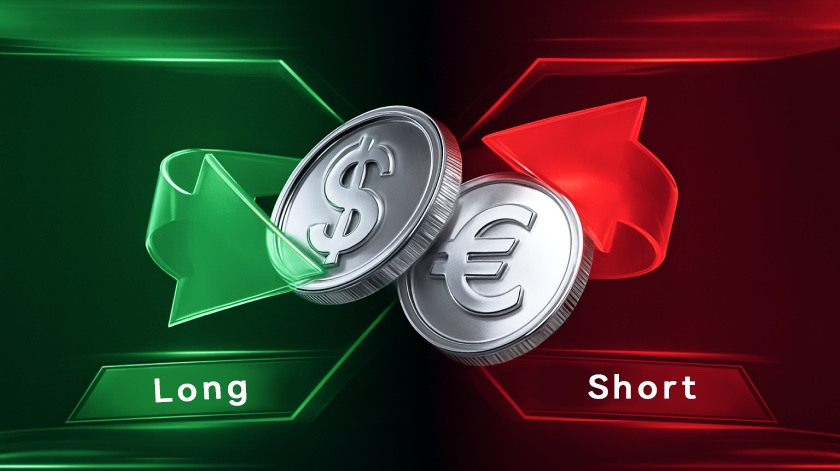
The funding rate is a periodic payment exchanged between long and short traders in perpetual futures markets. It is designed to keep the perpetual futures price close to the spot price.
Basic Funding Rate Rules
- Funding rates apply only to perpetual futures contracts.
- On Bitunix, funding for BTCUSDT perpetual futures is settled every 8 hours.
- Settlement times are 00:00, 08:00, and 16:00 UTC+8.
How the Funding Rate Works
When the futures price is higher than the spot price, the funding rate is usually positive. In this case, long traders pay funding fees to short traders.
When the futures price is lower than the spot price, the funding rate is usually negative. In this case, short traders pay funding fees to long traders.
For example, if the funding rate is +0.01%, traders holding long positions will pay funding fees to traders holding short positions at the scheduled funding time.
Understanding the funding rate helps traders choose better entry times, manage holding costs, and improve overall trading efficiency.
5、How Should Traders Choose Leverage on Bitunix?

Bitunix provides flexible leverage settings, allowing traders to choose leverage based on their risk tolerance, trading experience, and market strategy.
Different leverage levels carry different levels of risk.
- 2x to 5x leverage: Lower risk and more suitable for beginners or conservative traders.
- 5x to 20x leverage: Suitable for traders with some market experience who want a balance between risk and capital efficiency.
- Above 20x leverage: Higher risk and more suitable for experienced traders who understand liquidation risk and can manage positions carefully.
For example, if a trader uses $100 as margin with 10x leverage, they can open a position worth $1,000. If the market moves 10% against the position, the loss may be significant and could potentially lead to liquidation. This simplified example does not include trading fees, maintenance margin, or funding fees.
The core principle is simple: the higher the leverage, the higher the potential return, but the higher the liquidation risk as well.
6、How Do Traders Open and Close Futures Positions on Bitunix?
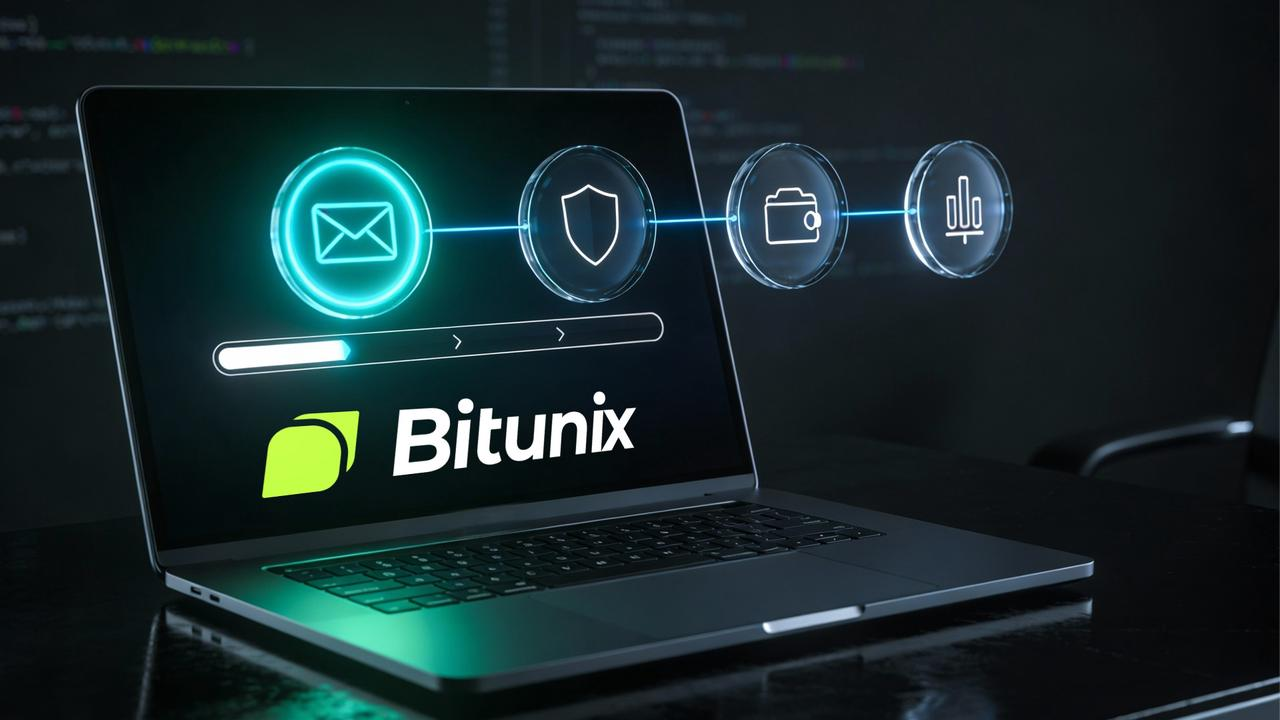
How to Open a Futures Position
- Log in to Bitunix and go to the Futures trading page.
- Select the trading pair, such as BTCUSDT or ETHUSDT.
- Set the leverage according to your risk preference.
- Enter the order size and choose the order type.
- Click Buy/Long if you expect the price to rise, or Sell/Short if you expect the price to fall.
How to Close a Futures Position
There are two common ways to close a futures position:
- Close position directly: Click the close button in the position panel to exit the trade.
- Place an opposite order: Open an order in the opposite direction to reduce or fully close the existing position.
Bitunix provides a user-friendly interface with charting tools, order management features, and a simplified trading process to help both beginners and experienced traders manage their futures trades more efficiently.
7、What Order Types Are Available on Bitunix Futures?
Bitunix supports several practical order types for different trading strategies, including quick execution, planned entry, and risk management.
Market Order
A market order is executed immediately at the best available market price. It is suitable when traders need to enter or exit a position quickly, especially during fast-moving market conditions.
Limit Order
A limit order allows traders to set a specific price at which they want to buy or sell. The order will only be executed when the market reaches the selected price. Limit orders can help traders control entry price and may reduce trading fees when they qualify as maker orders.
Stop-Loss Order
A stop-loss order helps limit potential losses. Traders can set a specific price level where the system will automatically close the position if the market moves against them.
Take-Profit Order
A take-profit order helps lock in gains. Traders can set a target price, and the system will automatically close the position once the market reaches that level.
Using stop-loss and take-profit orders together can help traders manage risk and avoid emotional decision-making.
8、What Is the Difference Between Isolated Margin and Cross Margin?
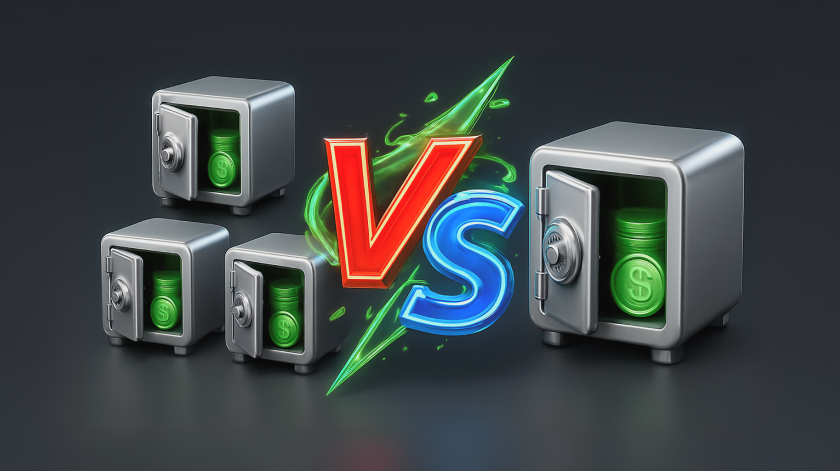
Bitunix futures trading supports different margin modes. The two main margin modes are isolated margin and cross margin.
Isolated Margin
In isolated margin mode, only the margin assigned to a specific position is at risk. If the position is liquidated, the maximum loss is limited to the margin allocated to that position. Other funds in the futures account are not used to support the trade.
This mode is suitable for:
- Beginners
- Short-term traders
- Traders who want better control over risk per position
Cross Margin
In cross margin mode, the entire available balance in the futures account can be used as margin to support open positions. This gives the position more flexibility and may reduce the chance of liquidation during short-term volatility. However, it also increases overall account risk because more funds may be affected if the market moves sharply against the position.
This mode is suitable for:
- Experienced traders
- Hedging strategies
- Traders with strong risk management skills
- A simple way to understand the difference is this: isolated margin separates risk by position, while cross margin shares available account balance across positions.
9、What Is Liquidation in Futures Trading?

Liquidation happens when a trader’s margin is no longer enough to maintain an open position. When this occurs, the system automatically closes the position to prevent further losses.
Common Causes of Liquidation
- Using excessively high leverage.
- Strong market volatility or sudden price spikes.
- Failing to set a stop-loss.
- Opening positions that are too large relative to account balance.
- Ignoring funding fees, trading fees, and maintenance margin requirements.
For example, with 50x leverage, a small price movement against the position can create a large loss. A 2% adverse price move may be enough to trigger liquidation, depending on fees, maintenance margin, and market conditions.
How to Reduce Liquidation Risk
Traders can reduce liquidation risk by:
- Using low or moderate leverage.
- Avoiding oversized positions.
- Setting stop-loss orders for every trade.
- Adding margin when necessary.
- Monitoring funding rates and market volatility.
- Avoiding emotional trading during high-volatility periods.
Good risk management is more important than simply chasing high returns.
10、What Common Mistakes Should Beginners Avoid in Futures Trading?
Most futures trading losses do not only come from market movements. Many losses happen because of poor trading habits, weak risk management, or emotional decisions.
Beginners should avoid these common mistakes:
- Using high leverage without understanding the risk.
- Trading without a stop-loss or take-profit plan.
- Open positions based on emotion instead of Trading strategies.
- Overtrading and accumulating unnecessary fees.
- Ignoring funding rates and trading costs.
- Using full account balance on one position.
- Increasing position size after losses without a proper strategy.
A common negative example is using very high leverage, such as 100x, without a stop-loss. In volatile market conditions, this can quickly lead to forced liquidation and significant losses.
Disclaimer
This article is not intended to provide:
(i) investment advice or investment recommendations;
(ii) an offer, invitation, or solicitation to buy, sell, or hold digital assets;
(iii) financial, accounting, legal, or tax advice.
Digital assets, including stablecoins and NFTs, carry significant risk and price volatility. Evaluate whether trading or holding digital assets is appropriate for your financial situation. Seek guidance from your legal, tax, or investment adviser regarding your specific circumstances.
Bitunix assumes no responsibility for any investment outcomes. You are solely responsible for understanding and complying with all applicable local laws and regulations.
About Bitunix
Bitunix is a global cryptocurrency derivatives exchange trusted by over 3 million users across more than 100 countries. At Bitunix, we are committed to providing a transparent, compliant, and secure trading environment for every user. Our platform features a fast registration process and a user-friendly verification system supported by mandatory KYC to ensure safety and compliance. With global standards of protection through Proof of Reserves (POR) and the Bitunix Care Fund, we prioritize user trust and fund security. The K-Line Ultra chart system delivers a seamless trading experience for both beginners and advanced traders, while leverage of up to 200x and deep liquidity make Bitunix one of the most dynamic platforms in the market.
Bitunix Global Accounts
X | Telegram Announcements | Telegram Global | CoinMarketCap | Instagram | Facebook | LinkedIn | Reddit | Medium