1. What is Internet Computer (ICP)?
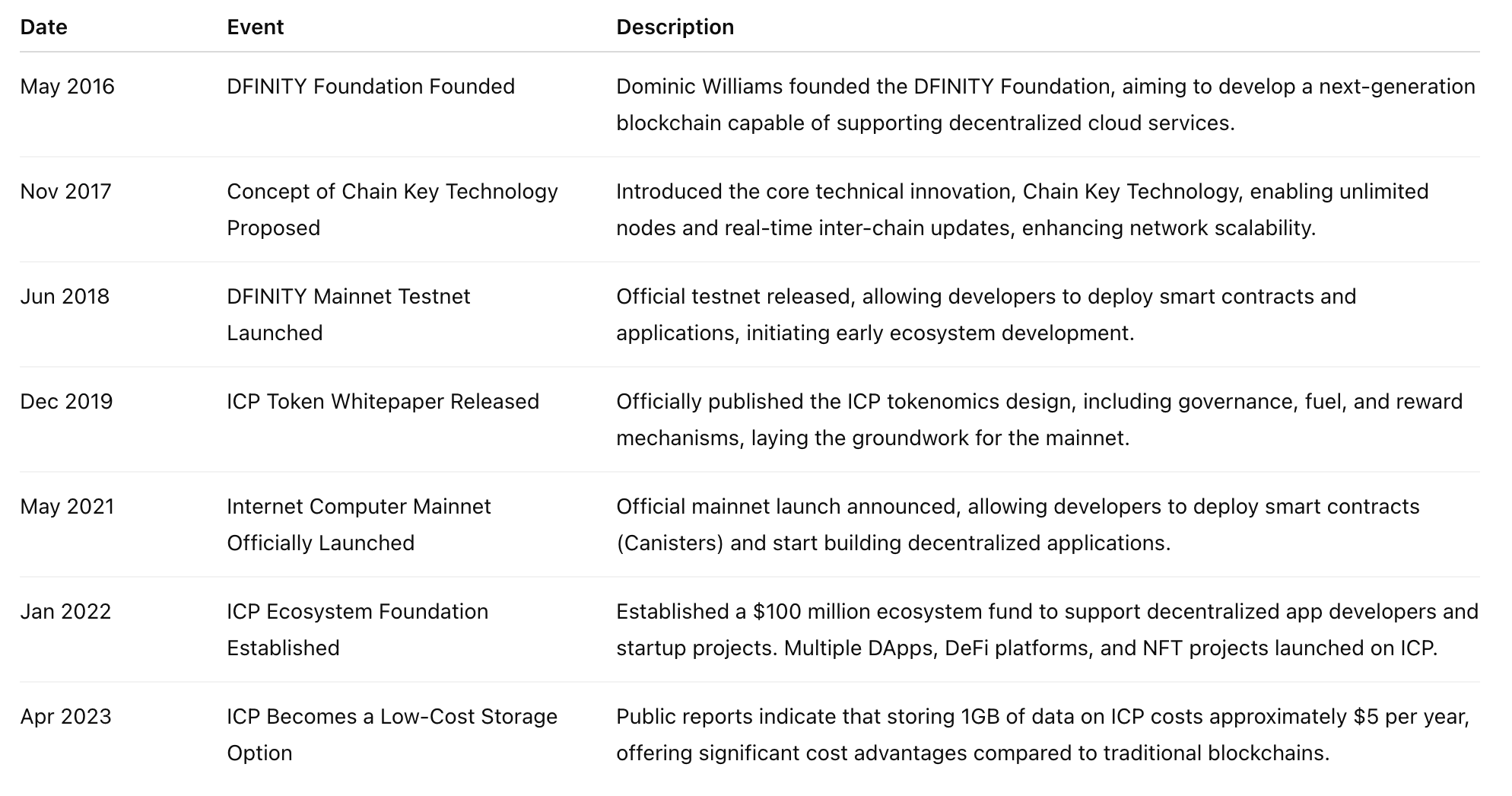
In the traditional internet architecture, most applications, data, and services are hosted on centralized cloud servers owned by a few tech giants like Amazon, Google, or Microsoft. In May 2021, the Internet Computer (ICP), developed by the DFINITY Foundation, was officially launched with a vision to break this monopoly and build a “world computer” composed of independent data centers.
ICP is not just a blockchain for processing transactions; it is a full decentralized computing platform. Its goal is to extend the functionality of the internet so that backend software, databases, web interfaces, and large-scale enterprise systems can be hosted at “network speed” without relying on traditional IT infrastructure. If Blockchain 1.0 is Bitcoin (value storage) and 2.0 is Ethereum (smart contracts), then ICP is considered a representative of the 3.0 era, aiming to decentralize the entire internet architecture.
2. ICP Technical Innovation: Chain Key Technology
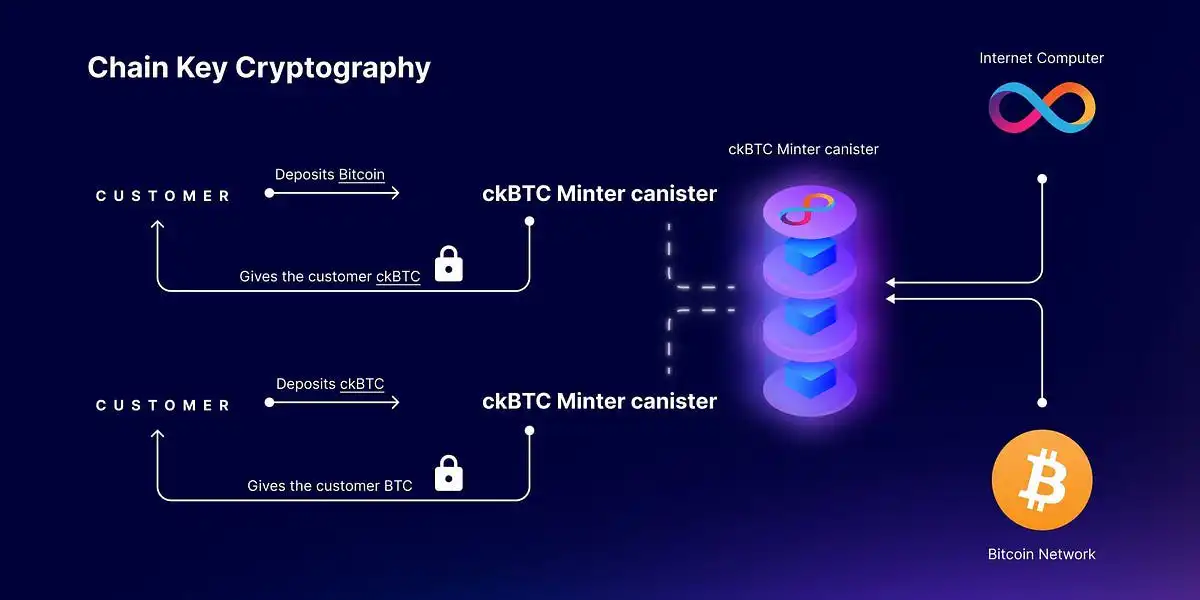
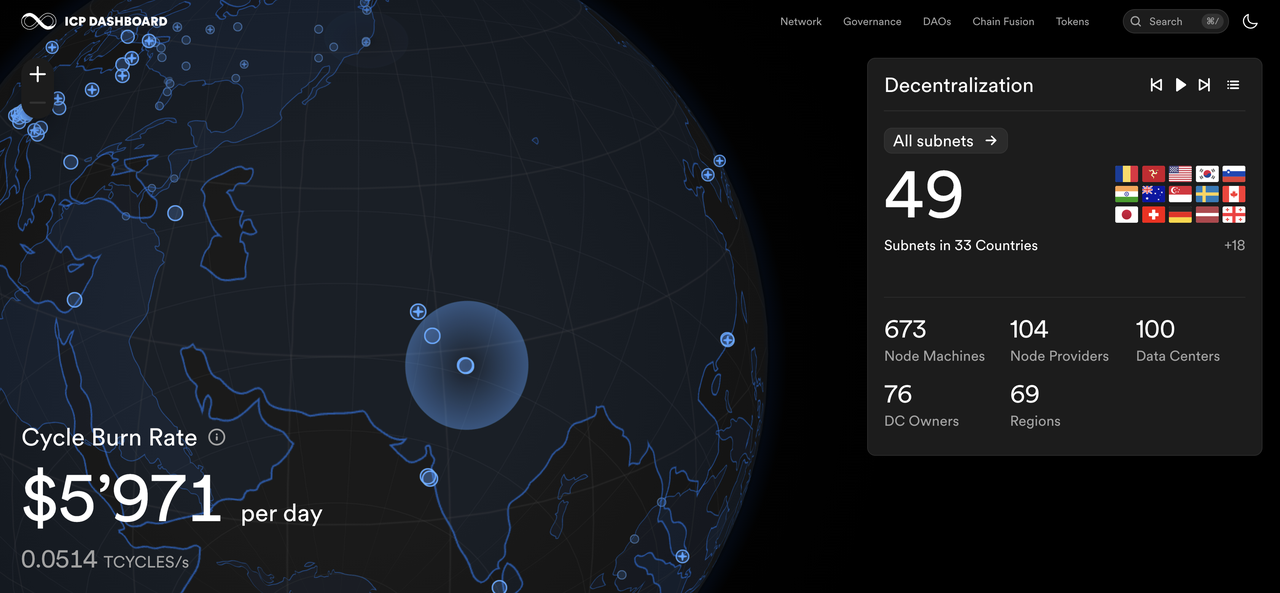
ICP’s core competitiveness comes from its revolutionary cryptographic breakthrough: Chain Key Technology. This technology enables ICP to operate at extremely high performance while achieving virtually unlimited scalability. Unlike traditional blockchains, where each node stores all data, ICP divides the network into multiple “subnets,” each capable of independently handling computation and storage.
The most notable result of Chain Key Technology is the “threshold signature” scheme. This allows the ICP network to verify all data and instructions generated by the network with a single short public key (48 bytes). This means even small devices like watches or smartphones can verify transactions on ICP within milliseconds, technically surpassing most existing public blockchains.
3. ICP’s Technical Foundation: Canister Smart Contracts
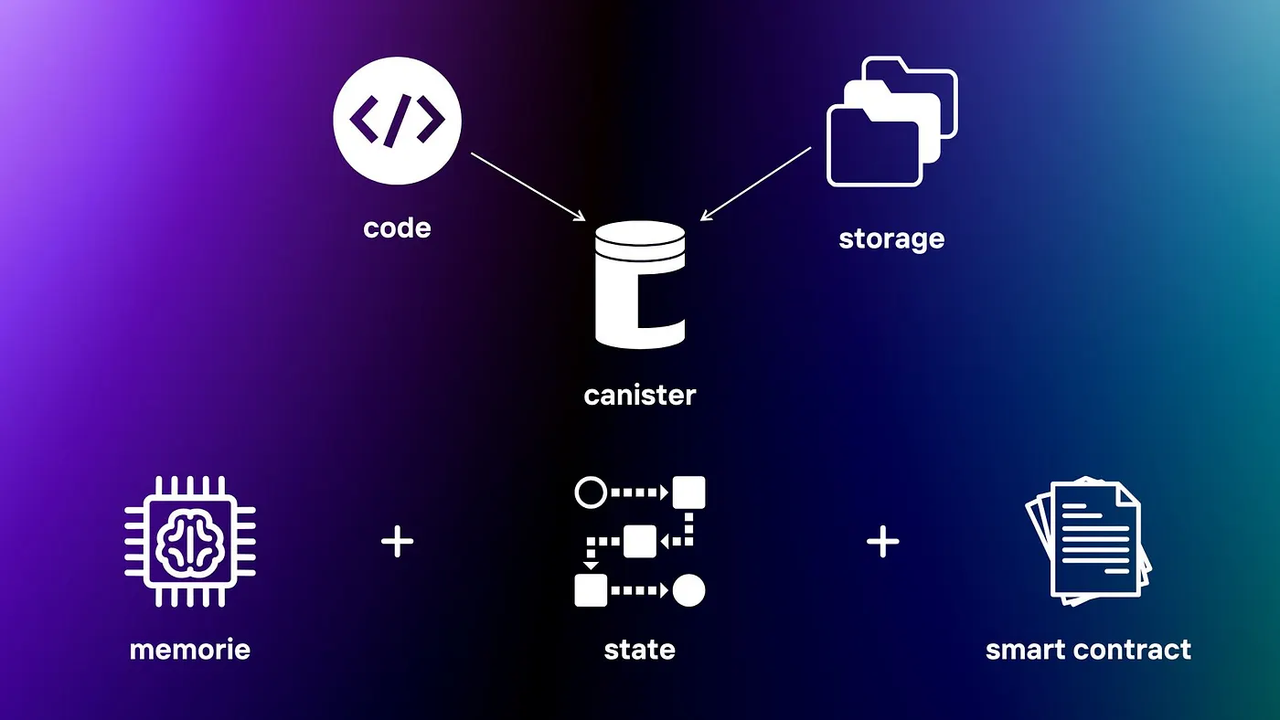
Canisters are the core computational units on the ICP network, taking smart contracts to a new technical level. Unlike traditional blockchains like Ethereum, which only handle logic code, Canisters encapsulate WebAssembly bytecode and program state as “evolved smart contracts.”
They use a unique “orthogonal persistence” approach, meaning developers do not need to manage external databases; all data is stored in the container’s memory and automatically persisted by the network. This architecture allows Canisters to function like independent micro-servers, executing complex computations at near-native speed while ensuring data security and consistency in a decentralized environment.
In addition, Canisters introduce a revolutionary “reverse gas model,” which is key to large-scale Web3 adoption. In traditional blockchains, users pay fees for every transaction, creating a high entry barrier. In ICP, the resource costs (called Cycles) are preloaded into a Canister’s “fuel tank” by the developer and converted from ICP tokens. This allows users to interact with decentralized applications without needing to configure wallets or pre-purchase tokens, delivering a user experience similar to Web2 services. This shift from “user pays” to “developer pre-pays” removes the adoption bottleneck and enables a seamless Web3 experience.
Finally, Canisters can handle full web services, achieving true “full-stack decentralization.” Unlike other blockchains that only process backend logic, Canisters can receive and respond to standard HTTP requests. This means front-end web pages, images, and backend logic can all run entirely on the blockchain, without relying on centralized cloud services like AWS or Google. As network demand grows, ICP can deploy countless Canisters by adding subnets, achieving near-infinite horizontal scalability.
4. ICP Token Uses and Acquisition
ICP is the native utility token of the Internet Computer network, serving three main purposes:
Computation Resource Consumption: ICP can be converted into “Cycles” to pay for the computation and storage costs of Canisters. As network applications grow, ICP is continuously consumed, creating a burn mechanism.
Governance Participation: Holders can stake ICP in a voting mechanism called “neurons.” Participants in NNS governance can earn additional ICP rewards.
Node Rewards: Data centers providing hardware and bandwidth to the network (node providers) receive ICP as compensation.
For developers, ICP is the “fuel” for their applications; for long-term supporters, ICP is a tool to participate in network governance and earn rewards.
5. How Investors Can Acquire ICP
Investors can obtain ICP mainly through two methods: purchasing via cryptocurrency exchanges or direct peer-to-peer (P2P) trading. Beginners are generally recommended to start with regulated exchanges for simplicity and safety.
The mainstream method is through centralized exchanges like Bitunix. These platforms act as trusted intermediaries, supporting purchases with fiat or stablecoins (e.g., USDT), and some allow instant credit card purchases, lowering investment barriers. First-time users must register and complete KYC verification, submitting identity and address documents to comply with global AML and counter-terrorism financing regulations. Bitunix provides industry-leading compliance and risk management, with cold/hot wallet separation and multi-signature technology, ensuring a stable and secure trading experience.
6. Major ICP Milestones (Timeline)
Disclaimer
This article is not intended to provide:
(i) investment advice or investment recommendations;
(ii) an offer or solicitation to buy, sell, or hold digital assets; or
(iii) financial, accounting, legal, or tax advice.
Digital assets (including stablecoins and NFTs) involve high risk and may be highly volatile. You should carefully consider whether trading or holding digital assets is suitable for you based on your financial situation. For your specific circumstances, consult your legal, tax, or investment professionals. You are responsible for understanding and complying with all applicable local laws and regulations.
About Bitunix
Bitunix is a global cryptocurrency derivatives exchange trusted by over 3 million users across more than 100 countries. At Bitunix, we are committed to providing a transparent, compliant, and secure trading environment for every user. Our platform features a fast registration process and a user-friendly verification system supported by mandatory KYC to ensure safety and compliance. With global standards of protection through Proof of Reserves (POR) and the Bitunix Care Fund, we prioritize user trust and fund security. The K-Line Ultra chart system delivers a seamless trading experience for both beginners and advanced traders, while leverage of up to 200x and deep liquidity make Bitunix one of the most dynamic platforms in the market.
Bitunix Global Accounts
X | Telegram Announcements | Telegram Global | CoinMarketCap | Instagram | Facebook | LinkedIn | Reddit | Medium