1.Product basics: what is copy trading?
Copy trading is a feature that allows users to replicate the strategies of experienced crypto traders in real time. When a lead trader opens, modifies, or closes a position, the system automatically mirrors the same trade in the follower’s account, enabling fast and efficient strategy execution.
To learn how to become a lead trader or start copy trading, please refer to the official user guides:
2.Core Principle of Copy Trading: Trade with the Trend, not Against It
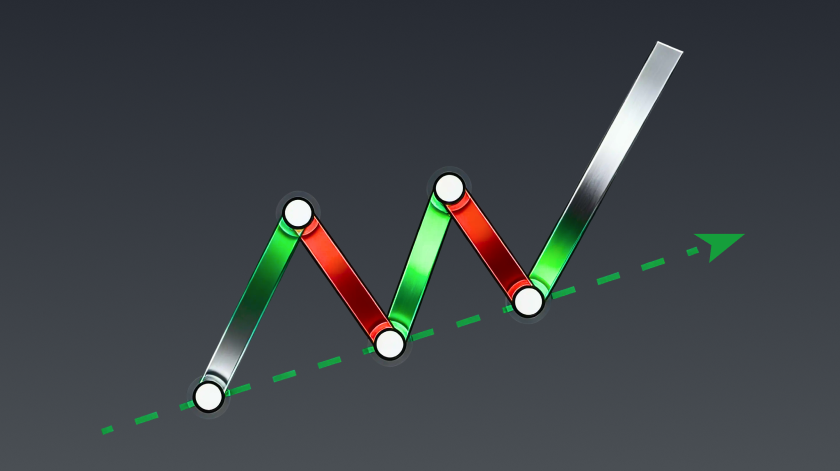
Trend-following is the most important principle of copy trading and the foundation of long-term profitability. Following the trend means trading in the direction of the broader market trend, especially on higher timeframes such as the daily and weekly charts. It means avoiding bottom-fishing in a downtrend and focusing on traders who capture opportunities within established market trends.
When using Bitunix Copy Trading, users are encouraged to select lead traders who consistently follow trend-based strategies. This helps reduce exposure to aggressive, high-risk, and counter-trend trading styles, while improving capital protection.
Formula mindset (Academy): Copy success ≈ Trader selection × Platform rules × Your risk settings × Ongoing review.
3.Pre-Copy Analysis: How to Choose the Right Trend Trader
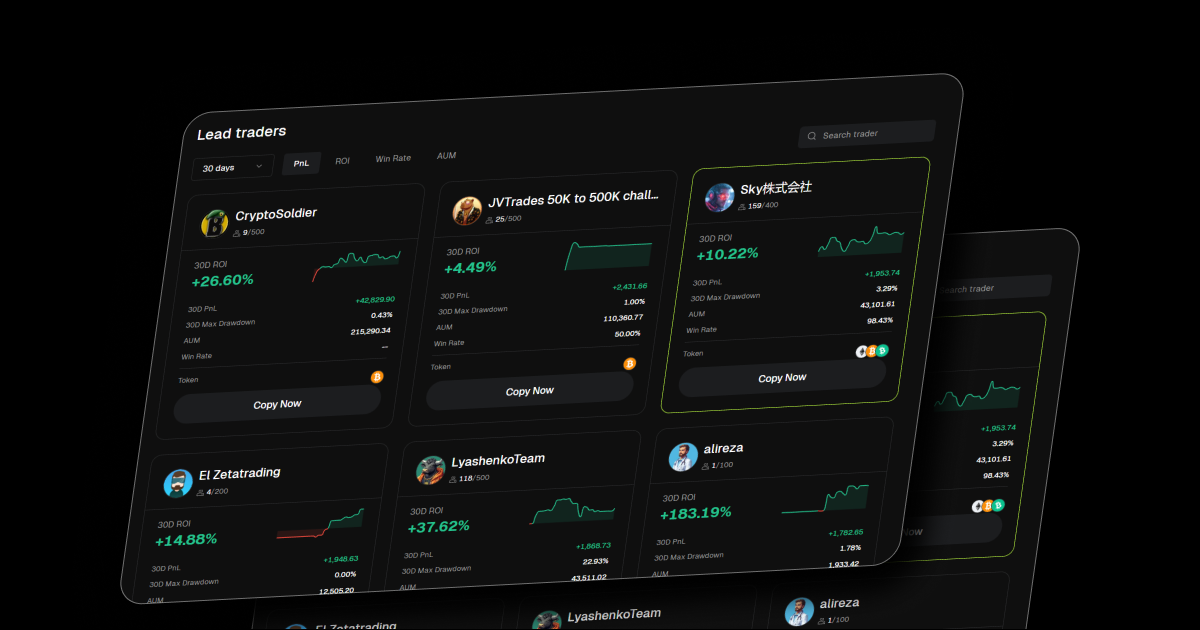
Review the trader’s strategy style
Start by checking the trader’s historical performance and trade records to determine whether they follow a trend-based approach. Pay close attention to whether their entry direction is aligned with the broader trend of major assets such as BTC, ETH, and other leading cryptocurrencies. Also observe whether they adjust positions promptly when the market trend changes.
Priority should be given to traders who:
follow clear market trends
avoid frequent counter-trend trades
use disciplined position management
do not rely on aggressive averaging down or excessive position adds
Avoid traders who focus heavily on short-term, high-frequency, or counter-trend strategies.
Analyze historical performance data
Do not choose traders based only on high returns. Instead, focus on the key indicators that reflect long-term consistency and risk control, including cumulative return, maximum drawdown, win rate, and profit-loss ratio.
A strong lead trader typically shows:
stable returns over the past 3 to 6 months
maximum drawdown below 20%
win rate above 80%
profit-loss ratio greater than 3:1
Traders with these characteristics are more likely to follow structured strategies and maintain disciplined risk management, rather than relying on short-term luck.
Check trading habits and risk management details
Review the trader’s position cycle, stop-loss settings, take-profit strategy, and position sizing approach. Trend-following traders usually hold positions for the medium to long term, apply strict stop-loss rules, and avoid overly large positions.
Also pay attention to trading frequency. It is generally better to avoid traders who place more than five trades per day, as very high trading frequency often indicates short-term speculation and may lead to a higher error rate.
Users can also improve their market understanding by following the educational content and market insights published by Bitunix Academy. Continuous learning can help strengthen independent market judgment and improve copy trading decisions.
4. Risk controls and important notes
4.1 Platform & execution
Slippage cap: copies fail if deviation exceeds 0.1% (Bitunix Copy Trading Operation Guide(Web)).
4.2 Suggested follower guardrails (Academy — adjust to your plan)
Cap single copied trade loss around ≤ 20% of allocated copy-trading funds (example rule of thumb).
Consider pausing copy if total copy drawdown reaches about 10% (example).
These are educational examples, not platform guarantees—use in-app controls actually offered.
4.3 Selection & ongoing review
Re-check yield, drawdown, P/L ratio vs the lead trader’s profile; stop copying if style drifts counter-trend or risk discipline breaks down (Academy).
Separate skill-based gains from short-term luck after volatile weeks.
4.4 Profit sharing & fees
Standard trading fees apply; see Copy Trading Terms and Agreements.
4.5 Compliance
4.6Common reasons why copy orders may fail
Insufficient available balance: If the copy trader’s account balance is too low to meet the required margin or minimum order size, the system will not execute the copied trade.
Price deviation exceeds the limit: To reduce slippage risk, copy trading includes a price protection mechanism. If the execution price moves beyond the allowed slippage threshold, the copied order will not be placed.
Position margin limit reached: Users can set a maximum margin limit for copied positions as part of risk control. Once that limit is reached for a trading pair, the system will stop opening additional copied positions for that pair.