
Article Summary
- This article serves as a foundational guide for anyone new to Bitunix.com, explaining the platform’s purpose and structure.
- It breaks down the core components of the exchange, clearly defining the difference between Spot Trading and Perpetual Futures Trading.
- The guide highlights three primary use cases for the platform, showing how different types of users can benefit from Bitunix.
- It provides a high-level overview of the user journey, from signing up and funding an account to making a first trade.
- The article concludes by positioning Bitunix.com as a comprehensive and versatile crypto trading ecosystem suitable for a wide range of users.
You landed on a crypto exchange, and you want one thing: clarity. What can you do here? What do the buttons mean? And who is this built for?
If you are asking what is Bitunix, think of it as a single place where you can buy crypto, trade price moves, and use tools that simplify day-to-day trading decisions. The homepage can feel busy at first, but the structure is simple once you break it into markets and use cases.
This guide explains the core parts of the platform, the main workflows, and the most common reasons people use it. If you want to create an account first on Bitunix.com, start with the sign-up page and come back to this overview while you explore.
The Core Components of the Platform
Most exchanges split your activity into two worlds: spot and futures. The CME Group uses the same idea. In the spot market, you exchange at the current price and settle right away:
"The market in which cash transactions for the physical commodity occurs -- (cattle, currencies, stocks, etc.) are bought and sold for cash and delivered immediately. "
Spot Market
Spot trading means you buy and sell cryptocurrencies for immediate delivery. You own the asset after the trade settles. It is like buying an item in a store. You pay, you get it. It is best for beginners, long-term holders, and anyone who wants simple exposure.
Futures Market (Perpetual Contracts)
Futures trading is about contracts that track prices. You trade the move without owning the coin. Here is a definition from Instagram: "A futures contract is a legally binding agreement to buy or sell an asset at a predetermined price on a specific expiry date."
Crypto perpetual contracts work similarly, except they usually do not have an expiry date. That is why you will see the term perpetual futures in the interface and in the futures rules.
The Bitunix help center also describes futures as perpetual contracts and outlines key mechanics like mark price, funding fees, and margin requirements in its futures services documentation. It is best for active traders, hedging, and strategies that use leverage.
Three Main Ways to Use the Platform
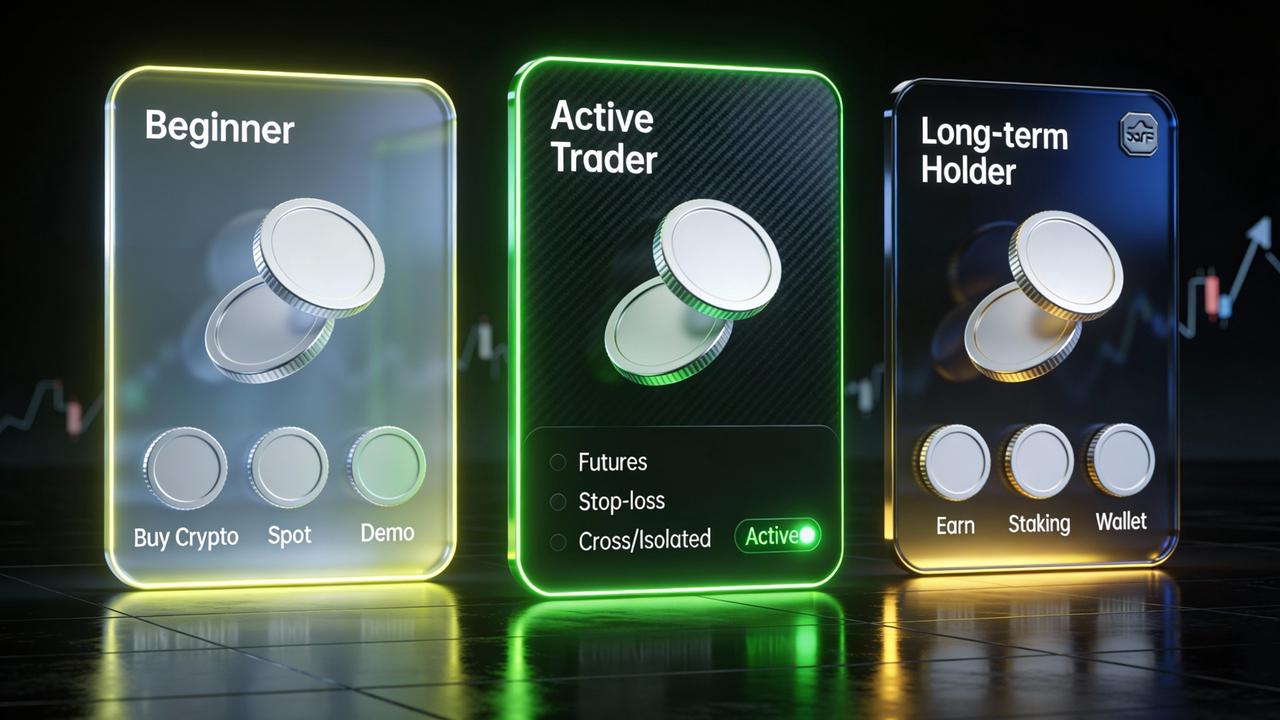
People do not wake up thinking about features. They wake up thinking about goals. Here are three common ones.
Use Case 1: The Investor - Buying and Holding
If you plan to buy and hold, you use the spot market, then keep assets in your account wallet or withdraw to a private wallet. This is the most straightforward path and the one most beginners start with.
This is also where Bitunix features as simple order types matter. Market orders are fast. Limit orders give you price control. If you are learning, start with small sizes and focus on the workflow, not the outcome.
Use Case 2: The Active Trader - Profiting from Market Moves
If you trade short-term, you care about speed, risk controls, and the ability to go long or short. That usually pushes you toward futures trading. On Bitunix, futures trading rules include concepts like mark price and funding fees, which affect liquidation risk and ongoing costs.
Use Case 3: The Passive Earner - Making Your Crypto Work for You
Some users do not want to trade every day. They want exposure without staring at charts.
Copy trading is one option. It lets you mirror another trader’s positions automatically. The platform provides a dedicated copy trading section and explains how to participate in its copy trading guide. If you prefer to stay hands off, this use case can fit better than futures.
Your Journey on the Platform: A Quick Overview
Here is the path most users follow:
- Sign up and verify: create an account and complete the know your customer checks, which confirm your identity.
- Fund your account: deposit crypto you already own, or use the platform’s funding options available in your region.
- Choose your arena: spot for buying and holding, futures for active trading, or copy trading for a more hands-off approach.
- Execute your first transaction: place a first spot order, open a small futures position, or start copying with conservative settings.
One practical tip: set up two-factor authentication before you trade. It adds a second verification step when you log in or withdraw.
Conclusion: A Platform for Every Ambition
A good homepage should answer one question: where do I start? You now have the map.
Use spot trading when you want simple ownership. Use futures when you want tools like leverage and the ability to trade both directions, with clear awareness of funding fees and liquidation rules. Use copy trading when you want exposure without constant decision-making.
Once you get comfortable, explore the platform, find the use case that fits you best, download the app, sign up, and take the first step today.
FAQ Section
Is Bitunix.com a good platform for complete beginners?
Yes, if you start with spot trading, small amounts, and basic order types before touching leverage.
What is the difference between the website and the Bitunix Pro app?
The core account is the same. The difference is the interface and where you prefer to trade.
How does Bitunix make money?
Like most exchanges, it charges trading fees and may also earn from product-level services described in its documentation.
What are the main security features of the platform?
Account security tools include two-factor authentication and other login protections available in the help center.
Can I switch between spot and futures trading with the same account?
Yes. Spot and futures are separate markets inside one account, with internal transfers between wallets.
What is the best way to learn how to use the trading interface?
Start with the spot trading guide, then move to futures lessons when you understand orders and risk.
Are there tutorials or guides available for new users?
Yes. The help center includes spot and futures walkthroughs and other getting-started resources.
What is the difference between a market order and a limit order?
A market order fills immediately at the best available price. A limit order waits until the market reaches your chosen price.
How is the platform different from other crypto exchanges?
The difference is usually in market coverage, interface design, and how clearly rules like funding and liquidation are explained in platform documentation.
Where can I find the official social media channels?
Check the official website footer and official help center references for verified channels.
Glossary
Spot trading: buying or selling crypto for immediate delivery.
Futures contract: an agreement to trade an asset at set terms in the future.
Perpetual contract: a futures-style contract with no expiry date.
Leverage: borrowed exposure that increases position size relative to your collateral.
Margin: the funds you post to open and maintain a leveraged position.
Maintenance margin: the minimum margin required to keep a position open.
Liquidation: forced position closure when the margin is too low.
Mark price: a reference price used to reduce unfair liquidations.
Funding fee: periodic payments between long and short traders on perpetual contracts.
Long: a position that benefits when the price rises.
Short: a position that benefits when the price falls.
Market order: an order that fills immediately at the best available price.
Limit order: an order that fills only at your chosen price or better.
Know your customer: identity checks used for compliance.
Two-factor authentication: a second login step that improves account security.
About Bitunix
Bitunix is a global cryptocurrency derivatives exchange trusted by over 3 million users across more than 100 countries. The platform is committed to providing a transparent, compliant, and secure trading environment for every user. Bitunix offers a fast registration process and a user-friendly verification system supported by mandatory KYC to ensure safety and compliance. With global standards of protection through Proof of Reserves (POR) and the Bitunix Care Fund, Bitunix prioritizes user trust and fund security. The K-Line Ultra chart system delivers a seamless trading experience for both beginners and advanced traders, while leverage of up to 200x and deep liquidity make Bitunix one of the most dynamic platforms in the market.
Bitunix Global Accounts
X | Telegram Announcements | Telegram Global | CoinMarketCap | Instagram | Facebook | LinkedIn | Reddit | Medium