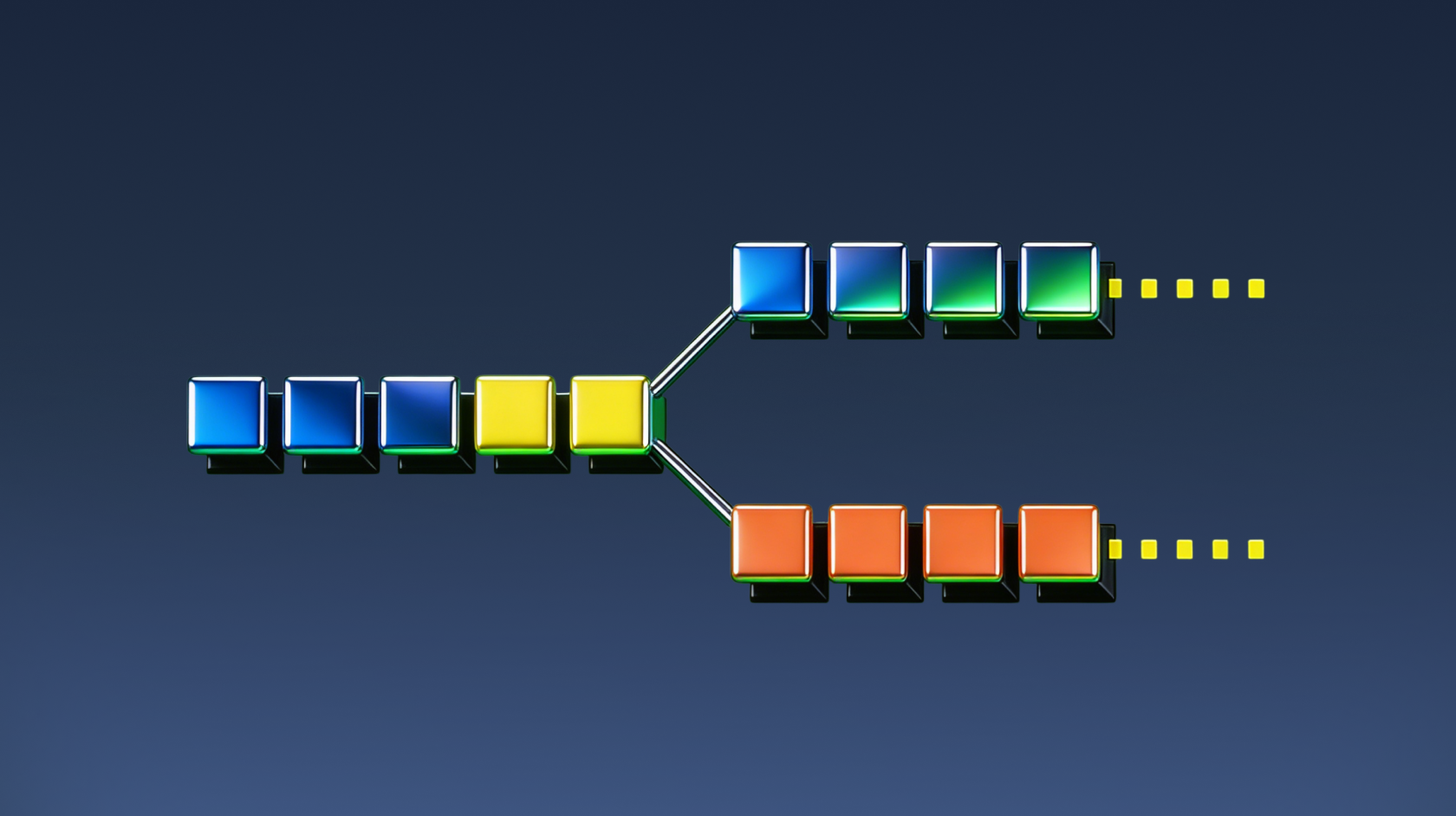
1. What Is a Soft Fork?
In the world of cryptocurrency, the blockchain is regarded as an immutable "ledger of trust." However, when developers disagree on the rules, or when the system requires a major upgrade, this single chain can branch like a tree, creating a fork. A fork is not only a technical code update, but also a contest within a decentralized community over values, scalability, and governance. Understanding forks is essential to understanding the evolutionary history of blockchain.
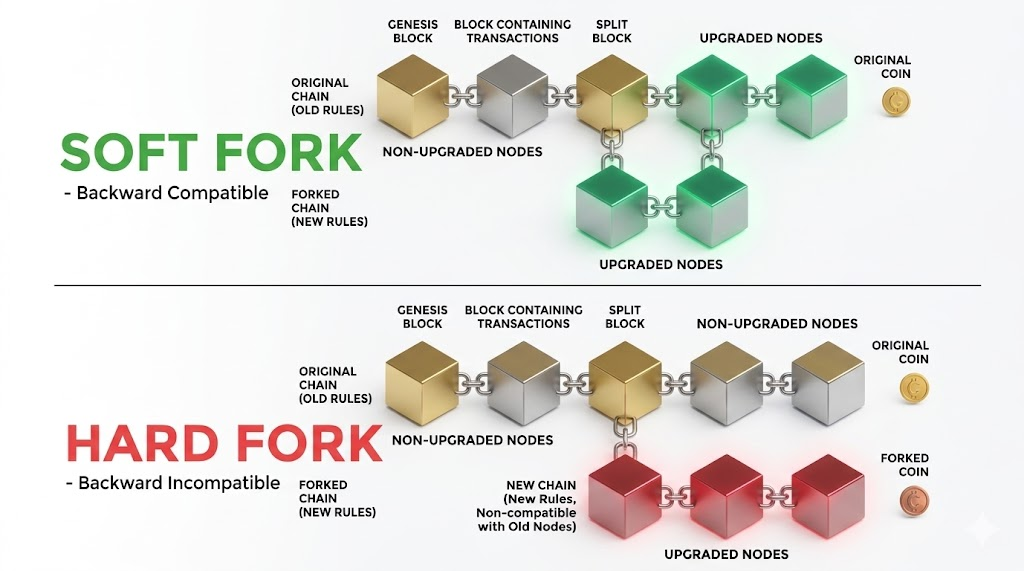
A soft fork is a "backward-compatible" method of technical upgrade. Put simply, it is like a version update for Microsoft Office: the new version of the software can open files from the old version, while the old version can still read part of the content from the new version under certain limitations. In blockchain, a soft fork usually introduces stricter rules, so that nodes that have not upgraded will still regard blocks created under the new rules as valid. This kind of upgrade does not require all users to update immediately, causes less disruption to the network, and can preserve the continuity of the original chain.
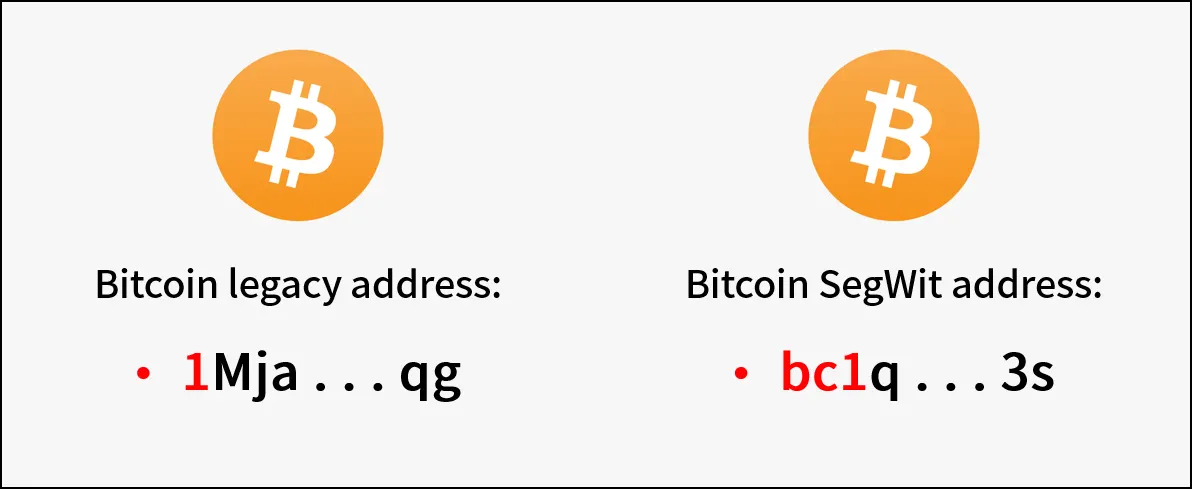
The most representative example is Bitcoin’s Segregated Witness, or SegWit, upgrade. In 2017, in order to improve the processing efficiency of the Bitcoin network, developers introduced SegWit, separating transaction data from signature data, also known as witness data. For nodes that had not upgraded, these transactions were still considered valid during verification, but their actual spending rules were constrained by the new nodes. This moderate transition method successfully improved actual throughput by optimizing the data structure without changing the block size limit, and it also laid the foundation for the later Lightning Network.
2. What Is a Hard Fork?
A hard fork is a complete split that is "not backward-compatible." When the blockchain protocol undergoes a fundamental change and old nodes can no longer recognize blocks produced by new nodes, a hard fork occurs. It is like switching a mobile operating system from Android to iOS, where the two are completely incompatible. If the community cannot reach one hundred percent consensus on the change, and some participants insist on remaining on the old chain, the blockchain will permanently split into two independent chains and will often create a new derivative token.
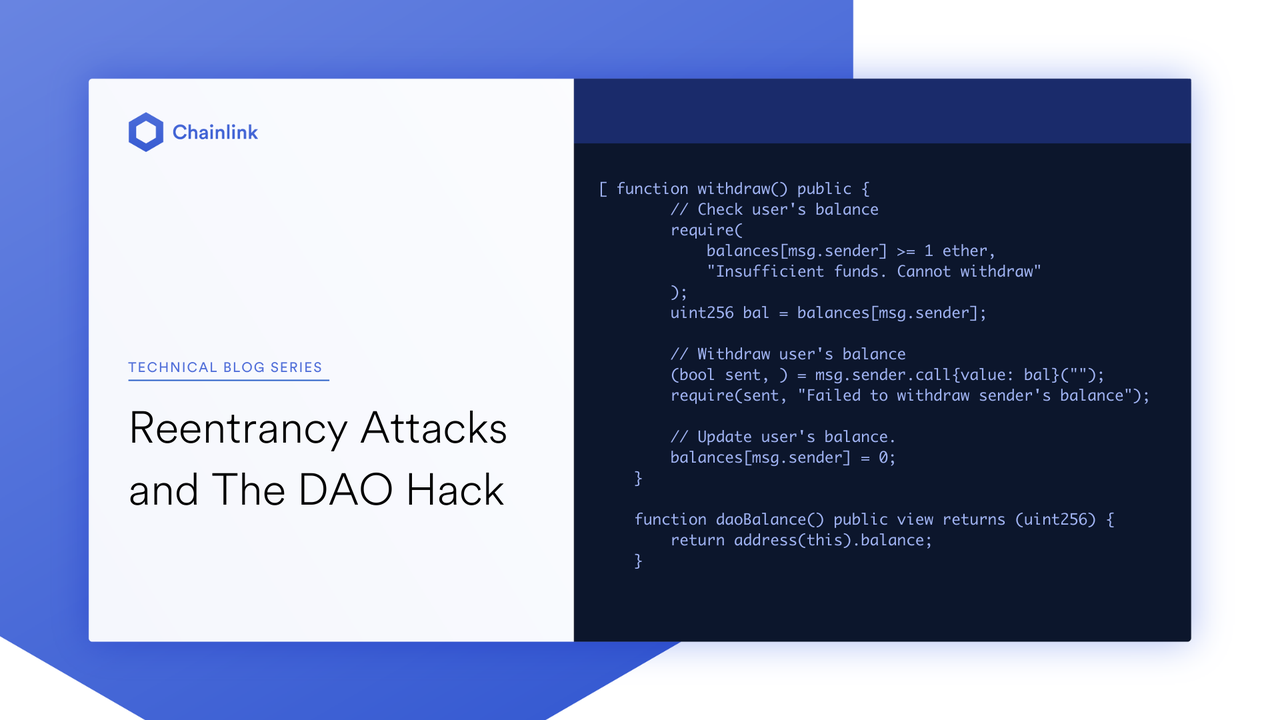
The most famous example of a hard fork is the 2016 Ethereum DAO incident. At that time, a project called The DAO was hacked, resulting in the theft of a large amount of ETH. In order to recover the losses, most of the Ethereum community agreed to use a hard fork to "rewrite history" and retrieve the funds. However, a small group of people who insisted that "Code is Law" refused to recognize this change and continued operating on the original old chain. This hard fork directly led to the coexistence of Ethereum and Ethereum Classic that we know today. It should be noted that not every hard fork creates a new token. If the community reaches a high degree of consensus, the original chain will usually continue directly, and multiple Ethereum upgrades belong to this type of situation.
3. Typical Fork Cases: Bitcoin Cash (BCH) and Ethereum Classic (ETC)
There have been two especially far-reaching forks in blockchain history, and they represent different commitments to "technical scaling" and "philosophical principles" respectively.
Bitcoin Cash (BCH): The Scaling Debate and the Vision of Electronic Cash
In August 2017, the Bitcoin community developed a sharp disagreement over how to solve transaction congestion. One side, led by core developers, supported SegWit, while the other side advocated directly increasing block size. In the end, the faction that supported larger blocks initiated a hard fork and created Bitcoin Cash, or BCH. BCH increased the block size limit from 1 MB to 8 MB, and later further expanded it to 32 MB. Its core purpose was to pursue maximum transaction speed and low fees, attempting to return to the original vision in Satoshi Nakamoto’s white paper of "peer-to-peer electronic cash," rather than serving only as "digital gold."
Ethereum Classic (ETC): Defending the Purity of "Code Is Law"
As mentioned earlier, ETC is the original chain that remained after the DAO incident. The existence of ETC is not meant to pursue stronger performance, but rather to represent a philosophical resistance. ETC supporters believe that the core value of blockchain lies in its "immutability." Even if a hack occurs, the ledger should not be changed through human intervention. To this day, ETC still maintains the architecture it had before the ETH fork. It has attempted to find positioning in AIFi and the Internet of Things, or IoT, as a smart contract platform that insists on "absolute decentralization" and "non-rollback." However, there is still a gap between ETC and ETH in terms of ecosystem scale and development activity.
4. The Significance of Forks for Blockchain
Although forks may trigger market volatility and community division in the short term, from a long-term perspective they are actually a core expression of blockchain’s vitality, forming a unique evolutionary mechanism of "survival of the fittest." Forks allow different technical blueprints and governance philosophies to be tested in parallel in a real market environment, rather than remaining only theoretical debates. When the community disagrees about the future development path, the market ultimately votes for the most competitive version in the most objective way possible through shifts in hash power, fluctuations in token prices, and changes in user numbers. This mechanism ensures that the blockchain ecosystem can continuously self-correct and optimize, filtering out the technical solutions that are best able to adapt to changing environments.
In addition, forks are also the strongest balancing force and innovation testing ground in the decentralized world. They give every participant the right to "exit and rebuild" when facing poor developer decisions or the concentration of centralized power, fundamentally ensuring that no single organization can permanently monopolize the development direction of a blockchain and thereby realizing true decentralized democracy. At the same time, whether the goal is to fix fatal system vulnerabilities or introduce forward-looking functions such as smart contract upgrades, forks provide a legitimate path for large-scale technical iteration without destroying the original value accumulated on-chain. This continuous capacity for dynamic adjustment is exactly what allows blockchain to maintain resilience and innovative momentum in the highly uncertain wave of digital finance.
Conclusion
Blockchain forks are not disasters, but the growing pains of evolution. They remind every investor and participant that in the world of Web3, consensus is the most powerful force. Forks have not only produced distinctive assets such as BCH and ETC, but have also made blockchain technology stronger and more diverse through repeated collisions. The next time you hear news about a fork, it is worth taking a closer look at the technical motivations and community consensus behind it, because these often signal the birth of the next technological paradigm and the reshaping of the wealth landscape.
Disclaimer
This article is not intended to provide:
(i) investment advice or investment recommendations;
(ii) an offer or solicitation to buy, sell, or hold digital assets;
(iii) financial, accounting, legal, or tax advice.
Holding digital assets, including stablecoins and NFTs, involves high risk and may fluctuate significantly. You should carefully consider whether trading or holding digital assets is suitable for you based on your financial situation. For your specific circumstances, please consult your legal, tax, or investment professionals. You are solely responsible for understanding and complying with all applicable local laws and regulations.
About Bitunix
Bitunix is a global cryptocurrency derivatives exchange trusted by over 3 million users across more than 100 countries. At Bitunix, we are committed to providing a transparent, compliant, and secure trading environment for every user. Our platform features a fast registration process and a user-friendly verification system supported by mandatory KYC to ensure safety and compliance. With global standards of protection through Proof of Reserves (POR) and the Bitunix Care Fund, we prioritize user trust and fund security. The K-Line Ultra chart system delivers a seamless trading experience for both beginners and advanced traders, while leverage of up to 200x and deep liquidity make Bitunix one of the most dynamic platforms in the market.
Bitunix Global Accounts
X | Telegram Announcements | Telegram Global | CoinMarketCap | Instagram | Facebook | LinkedIn | Reddit | Medium