You landed on a crypto exchange, and you want one thing: clarity. What can you do here? What do the buttons mean? And who is this built for?
If you are asking what is Bitunix, think of it as a single place where you can buy crypto, trade price moves, and use tools that simplify day-to-day trading decisions. The homepage can feel busy at first, but the structure is simple once you break it into markets and use cases.
This guide explains the core parts of the platform, the main workflows, and the most common reasons people use it. If you want to create an account first on Bitunix.com, start with the sign-up page and come back to this overview while you explore.
The Core Components of the Platform
Most exchanges split your activity into two worlds: spot and futures. The CME Group uses the same idea. In the spot market, you exchange at the current price and settle right away:
"The market in which cash transactions for the physical commodity occurs -- (cattle, currencies, stocks, etc.) are bought and sold for cash and delivered immediately. "
Spot Market
Spot trading means you buy and sell cryptocurrencies for immediate delivery. You own the asset after the trade settles. It is like buying an item in a store. You pay, you get it. It is best for beginners, long-term holders, and anyone who wants simple exposure.
Futures Market (Perpetual Contracts)
Futures trading is about contracts that track prices. You trade the move without owning the coin. Here is a definition from Instagram: "A futures contract is a legally binding agreement to buy or sell an asset at a predetermined price on a specific expiry date."
Crypto perpetual contracts work similarly, except they usually do not have an expiry date. That is why you will see the term perpetual futures in the interface and in the futures rules.
The Bitunix help center also describes futures as perpetual contracts and outlines key mechanics like mark price, funding fees, and margin requirements in its futures services documentation. It is best for active traders, hedging, and strategies that use leverage.
Three Main Ways to Use the Platform
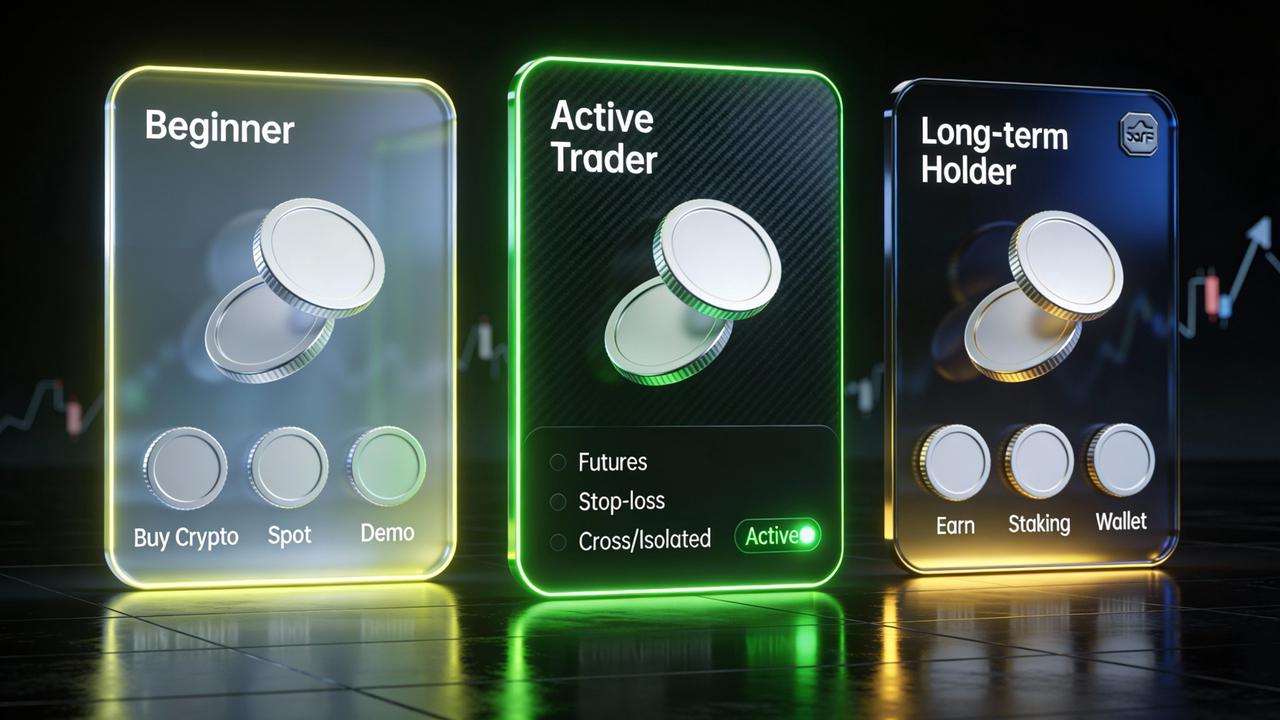
People do not wake up thinking about features. They wake up thinking about goals. Here are three common ones.
Use Case 1: The Investor - Buying and Holding
If you plan to buy and hold, you use the spot market, then keep assets in your account wallet or withdraw to a private wallet. This is the most straightforward path and the one most beginners start with.
This is also where Bitunix features as simple order types matter. Market orders are fast. Limit orders give you price control. If you are learning, start with small sizes and focus on the workflow, not the outcome.
Use Case 2: The Active Trader - Profiting from Market Moves
If you trade short-term, you care about speed, risk controls, and the ability to go long or short. That usually pushes you toward futures trading. On Bitunix, futures trading rules include concepts like mark price and funding fees, which affect liquidation risk and ongoing costs.
Use Case 3: The Passive Earner - Making Your Crypto Work for You
Some users do not want to trade every day. They want exposure without staring at charts.
Copy trading is one option. It lets you mirror another trader’s positions automatically. The platform provides a dedicated copy trading section and explains how to participate in its copy trading guide. If you prefer to stay hands off, this use case can fit better than futures.
Your Journey on the Platform: A Quick Overview
Here is the path most users follow:
Sign up and verify: create an account and complete the know your customer checks, which confirm your identity.
Fund your account: deposit crypto you already own, or use the platform’s funding options available in your region.
Choose your arena: spot for buying and holding, futures for active trading, or copy trading for a more hands-off approach.
Execute your first transaction: place a first spot order, open a small futures position, or start copying with conservative settings.
One practical tip: set up two-factor authentication before you trade. It adds a second verification step when you log in or withdraw.
Conclusion: A Platform for Every Ambition
A good homepage should answer one question: where do I start? You now have the map.
Use spot trading when you want simple ownership. Use futures when you want tools like leverage and the ability to trade both directions, with clear awareness of funding fees and liquidation rules. Use copy trading when you want exposure without constant decision-making.
Once you get comfortable, explore the platform, find the use case that fits you best, download the app, sign up, and take the first step today.