Buying Bitcoin through peer-to-peer (P2P) trading can give you access to local payment methods and direct transactions with other users. Bitunix P2P charges no platform trading fees for buyers or sellers, although banks and payment providers may still charge transfer fees.
The main risk is not limited to whether the BTC is released. Fiat payments move through banks or other payment services, which operate separately from the crypto platform. A disputed transfer, a payment from an unrelated account, or a transaction flagged for compliance review can create problems even when the crypto side of the trade is held in escrow.
To reduce avoidable risks when buying BTC on Bitunix P2P, use payment accounts registered in your own verified name, pay only the counterparty specified in the order, keep complete transaction records, and follow the platform's rules. These precautions can reduce common sources of disputes, but they cannot guarantee that a bank account will never be frozen or reviewed.
Does Bitunix P2P Charge Fees for Buying Bitcoin?
Bitunix P2P does not charge platform trading fees to buyers or sellers under its published P2P policy. However, this does not necessarily make every transaction completely free.
The distinction is between fees charged by the trading platform and costs associated with transferring fiat currency.
Bitunix P2P Trading Fees
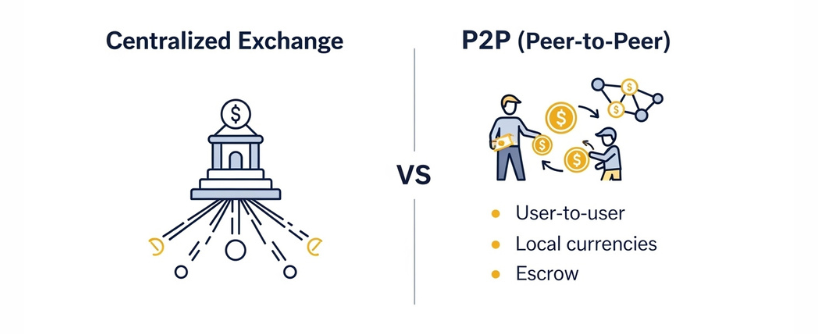
When you buy BTC through Bitunix P2P, you select an offer posted by a seller and pay using one of the payment methods supported for that transaction. The seller's advertised price determines the exchange rate for the order.
Before confirming a purchase, check the displayed price, order amount, payment instructions, and any applicable terms. Compare offers using the amount of BTC you will receive for the total fiat payment, rather than relying on the advertised price alone.
Other Costs to Check Before Paying
Even when the platform charges no P2P trading fee, other costs may apply:
Bank transfer fees: Your bank may charge for domestic or international transfers.
Payment provider fees: E-wallets and other payment services may apply transaction or processing charges.
Exchange-rate differences: The price offered by a P2P seller may differ from the prevailing market price.
Currency conversion costs: If a payment requires currency conversion, the provider's exchange rate and conversion fees may affect the final cost.
Review the order terms and your payment provider's fee schedule before transferring money. The amount you send should match the order requirements, including any applicable transfer costs that you are responsible for under the agreed terms and platform rules.
Why Can a Bank Account Be Frozen After a P2P Crypto Trade?
A bank account can be restricted or reviewed following a P2P transaction for reasons related to the payment itself, the source of funds, or the bank's compliance procedures. The precise reason depends on the bank, payment provider, transaction circumstances, and applicable local rules.
A freeze is not an automatic consequence of buying Bitcoin. Equally, completing a trade through a crypto platform does not guarantee that a bank will treat the associated payment as risk-free.
Third-Party Payments and Name Mismatches
One of the most important safeguards in P2P trading is ensuring that the payment account belongs to the person named in the transaction.
Bitunix's published P2P policy requires buyers to use payment accounts whose registered names match their verified Bitunix identities. It also requires sellers to receive payments through accounts matching their verified names. Third-party payments are prohibited under the policy.
Using a friend's bank account, paying from a relative's account, or accepting payment arrangements involving unrelated people can create discrepancies between the order and the actual transfer. Such arrangements may also make it harder to establish who sent or received the money if a dispute occurs.
Use your own verified payment account and follow the exact payment instructions displayed in the order.
Suspicious or Disputed Fund Transfers
A payment may attract additional scrutiny if the bank or payment provider detects activity that requires review. Examples can include a transfer reported as unauthorized, a dispute over the origin of funds, or transaction activity that triggers the provider's monitoring procedures.
In some P2P transactions, the buyer and seller may have completed their steps without knowing the full background of the funds involved. Escrow protects the crypto side of the transaction according to the platform's process, but it does not independently establish the source or legal status of money transferred through a bank.
Do not knowingly participate in transactions involving unexplained payments, requests to route funds through another person's account, or arrangements that conceal the identity of the actual payer.
Bank and Regulatory Compliance Checks
Banks and payment providers may review transactions under their own fraud-prevention, anti-money-laundering, and regulatory obligations. The applicable requirements differ by jurisdiction and institution.
A P2P transaction can therefore lead to a review even when the buyer believes the trade was legitimate. Neither a seller's reputation nor a platform's escrow mechanism can override a bank's independent compliance procedures.
If a transfer is delayed, rejected, or flagged, contact your bank or payment provider through its official channels. Ask what documentation is required and respond truthfully. Do not attempt to bypass a restriction by routing the payment through another account.
How to Reduce Bank Freeze Risks When Buying BTC on Bitunix P2P
No checklist can guarantee that a bank account will remain unrestricted. The goal is to avoid preventable payment discrepancies, preserve evidence, and make it easier to explain a legitimate transaction if questions arise.
Use Your Own Verified Payment Account
Before placing a P2P order, confirm that the payment account is registered in your own name and that the name matches your verified Bitunix identity.
Also verify the recipient's account details against the information provided in the order. Bitunix's policy requires the seller's receiving account to match the seller's verified name.
Do not proceed if the counterparty asks you to pay a different person or account outside the stated order instructions. If the details do not match, pause the transaction and use the platform's official support or appeal process as appropriate.
Check the Seller and Payment Details
Do not choose an offer based on price alone. Review the seller's completed orders, completion rate, available order limits, payment method, and stated terms.
Before transferring money, check:
The fiat amount and currency specified in the order.
The recipient's name and payment details.
Whether the selected payment method matches the order.
The seller's instructions and any applicable payment deadline.
Whether the offer requires anything inconsistent with Bitunix's rules.
Be cautious if a seller offers an unusually favorable price but asks you to communicate through Telegram, WhatsApp, or another external channel, or requests a payment arrangement that differs from the order. Keep trade communications on the platform and do not agree to off-platform deals.
Keep Payment Records and Transaction Evidence
Maintain accurate records of each P2P transaction. Depending on the payment method, useful evidence may include:
The Bitunix order details and order ID.
The payment receipt or bank transfer confirmation.
The transaction reference number and timestamp.
The recipient details shown in the payment record.
Relevant in-platform messages and appeal correspondence.
Make sure records reflect the actual transaction. Never edit a receipt to change its amount, date, recipient, or status, and do not treat a screenshot supplied by the other party as proof that money has arrived in your own account.
If your bank or payment provider requests supporting documents, provide genuine records through its official channel. Protect sensitive personal and financial information when sharing documents.
Avoid Unusual Requests and Off-Platform Deals
Keep the transaction within the order and payment process specified by Bitunix.
Do not send money to an account that differs from the verified counterparty's details. Do not split or redirect payments to accommodate an unexplained request, and do not complete a separate transaction through a messaging app on the promise that the original order will be honored later.
Follow the payment deadline shown on the order page. Only mark an order as paid after you have actually completed the transfer. If the payment fails or the details appear incorrect, do not claim that payment has been made; follow the order's available instructions or contact support.
These precautions reduce the chance of avoidable disputes and policy violations. They cannot eliminate risks arising from a bank's independent review of a transfer or the subsequent discovery of concerns about its source.
How Bitunix P2P Escrow and Dispute Resolution Work

P2P escrow helps protect the crypto side of a transaction by holding the seller's digital assets during the trade. It does not function as a bank guarantee or insurance against payment disputes.
Understanding this distinction helps buyers know what escrow can do and what steps they must take themselves.
What P2P Escrow Protects
In a typical P2P purchase, the seller's crypto is held in escrow during the order process. The buyer sends fiat currency through the payment method specified in the order, and the seller releases the crypto after confirming receipt of the required payment.
This arrangement helps prevent a seller from simply withdrawing the crypto from an active order before the payment process is completed under the platform's rules.
However, escrow does not guarantee that a bank transfer will clear, that a payment will never be disputed, or that a bank will not review an account. It also cannot protect transactions arranged outside the platform's supported process.
What to Do if a Seller Does Not Release BTC
If you have completed the payment but the seller does not release the BTC:
Check your bank or payment app to confirm that the transfer was completed.
Keep the original payment receipt and the Bitunix order details.
Communicate with the seller through the order chat.
If the issue remains unresolved, use the available appeal function and submit the requested evidence.
Follow any additional instructions from Bitunix support.
Do not send a second payment simply because the seller claims the first transfer did not arrive. Verify the transaction with your payment provider before taking further action.
Bitunix provides an appeal process for P2P disputes, but its published policy does not guarantee a particular outcome in every case.
What to Do if Your Bank Account Is Frozen After a P2P Trade
If your bank account is restricted following a P2P transaction, address the bank issue directly rather than assuming the crypto platform can reverse it.
Step 1: Contact your bank or payment provider.
Use its official customer service channel to establish whether the restriction relates to a specific transfer, a security concern, or a compliance review. Ask which documents or actions are required.
Step 2: Preserve the transaction evidence.
Keep the order ID, transfer receipt, transaction reference, counterparty details shown in the order, and relevant messages. Do not alter or delete records that may be needed to explain the payment.
Step 3: Respond accurately to requests for information.
Provide genuine documentation that explains the transaction. If the bank asks about the source or purpose of funds, answer truthfully and provide supporting evidence where available.
Step 4: Contact Bitunix if the issue also affects your platform account or order.
If your P2P order is disputed or your Bitunix account is subject to a restriction, contact official support and provide the relevant order details. The platform may assist within its applicable procedures, but it cannot guarantee that a bank will remove its restriction.
Step 5: Follow the bank's formal review process.
If the restriction continues, ask about the institution's complaint or review procedure and any applicable escalation route in your jurisdiction. Do not try to circumvent the restriction by moving the same activity to another person's account.

Five steps to take if your bank account is frozen after a P2P trade.
Important: A P2P Asset Freeze Is Not the Same as a Bank Account Freeze
Bitunix's published P2P FAQ describes a separate T+1 restriction for crypto assets purchased through P2P. Under that rule, purchased assets are subject to a 24-hour restriction on withdrawal-related operations, including withdrawals, internal transfers, and selling, until the restriction expires.
This is a platform-side asset restriction. It is not the same as a bank freezing the buyer's fiat account, and the two should not be confused.
If BTC or another asset you purchased through Bitunix P2P cannot be withdrawn immediately, check the order and account notices for the applicable restriction. If your bank account itself is frozen, contact the bank or payment provider to understand the reason.