When it comes to crypto trading, one rule never changes: if you lose your funds, recovery is almost impossible. There is no customer support hotline to reverse blockchain transactions, no chargebacks, and no safety net if your account is compromised. That is why understanding and practicing crypto security tips is essential for every user — whether you are a beginner buying your first Bitcoin or an advanced trader managing leveraged positions.
At Bitunix, our mission is to combine world-class security infrastructure with user-friendly tools. Over 95% of user funds are stored offline in cold wallets, transactions are monitored around the clock, and personal data is encrypted using industry-leading protocols. Still, the truth is clear: some of the most important protections start with you. This crypto security guide explains how to safeguard your account, how Bitunix protects you, and what additional steps you should take to minimize risks.
Why Crypto Security Matters More Than Ever
The rise of digital assets has also given rise to sophisticated threats. From phishing campaigns to exchange impersonation, users are often the first target of attackers.
One weak password can expose your entire portfolio.
One phishing link can trick you into revealing login credentials.
One careless login on public Wi-Fi can compromise your session.
Unlike traditional banking, crypto puts you in full control of your funds. That control is powerful, but it also comes with responsibility.
Exchange Security Goes Beyond Wallet Protection
Exchange security involves more than protecting wallet private keys. Compromised employee devices, unauthorized access to internal systems, and weaknesses in transaction authorization can also expose digital assets to risk.
The October 2026 Binance security incident highlights this broader threat. According to Binance's preliminary investigation, an attacker may have compromised a DevOps engineer's laptop to access a service container and submit unauthorized withdrawal transactions. Binance reported no evidence of wallet private key leakage, indicating that the incident may have involved weaknesses in operational access rather than a direct compromise of wallet keys.
For users, the takeaway is that an exchange's security depends on multiple layers of protection, including device security, access controls, transaction monitoring, and withdrawal authorization. Strong account passwords and two-factor authentication remain important, but they are only part of a broader security framework.
Crypto Security Tips for Beginners: Start with the Basics
If you are new to trading, these beginner-friendly steps will make a huge difference:
Turn On Two-Factor Authentication (2FA)
Two-Factor Authentication is your second lock.
2FA adds another layer of protection by requiring a second authentication factor, making unauthorized account access more difficult even if your password is compromised.
Use an app like Google Authenticator or Authy instead of SMS codes, which are vulnerable to SIM-swap attacks.
Enable 2FA not only on Bitunix but also on your email account linked to Bitunix.
Create a Strong, Unique Password
Avoid predictable passwords such as bitcoin2024 or qwerty123. Instead:
Use at least 12–16 characters.
Mix numbers, symbols, and both uppercase and lowercase letters.
Do not reuse passwords across multiple accounts.
Consider a reputable password manager.
Stay Alert to Phishing Attempts
Phishing is one of the most common crypto scams. Attackers often set up fake Bitunix websites or send emails pretending to be our support team.
Always type bitunix.com directly into your browser or use a saved bookmark.
Do not click on suspicious links in emails, social media DMs, or unofficial Telegram groups.
Check for HTTPS and the official domain before logging in.
These crypto security tips for beginners are simple but powerful. Most attacks succeed only when users skip them.
Advanced Crypto Security Tips: Going Beyond the Basics
Once you’ve secured your login, consider these advanced strategies:
Use a Hardware Wallet for Long-Term Holdings
If you are holding a significant amount of Bitcoin, Ethereum, or other coins for the long term, the safest option is to transfer them to a hardware wallet.
Hardware wallets keep your private keys offline.
Only transfer funds to Bitunix when you intend to trade.
Think of it as a vault for your digital assets.
Monitor Login Activity Regularly
Bitunix provides a login activity dashboard where you can see active sessions, devices, and IP addresses.
Make it a habit to review this weekly.
If you spot a device you do not recognize, log out of all sessions immediately and reset your password.
Avoid Public Wi-Fi for Trading
Coffee shop hotspots, hotel Wi-Fi, and airport networks are high-risk for man-in-the-middle attacks.
Always use mobile data or a secure VPN connection.
Never enter sensitive login credentials on an unsecured network.
How Bitunix Protects Your Assets Behind the Scenes
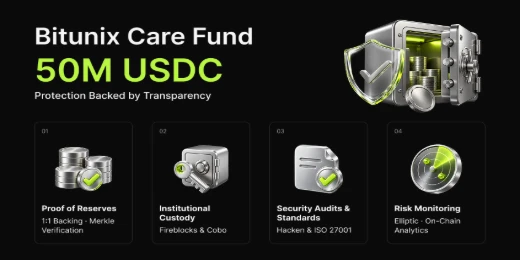
Bitunix invests heavily in security infrastructure so users can trade with confidence. Here are three pillars of our protection:
Cold Wallet Storage
Over 95% of all user funds are stored offline in cold wallets. Keeping the majority of user funds in cold wallets reduces exposure to online attacks by limiting direct network access to private keys. Cold storage should be combined with strict access controls, transaction authorization procedures, and ongoing security monitoring.
24/7 Monitoring
Our security operations team monitors activity in real time. Suspicious behavior is flagged instantly, accounts can be locked proactively, and incidents are investigated around the clock.
Encryption and Data Security
From your personal details to your trading history, everything is encrypted with advanced security protocols. No shortcuts are taken in securing sensitive information. These measures answer a key user question: is Bitunix safe? The answer is yes — but platform security works best when combined with user vigilance.
Bitcoin Security Guide: Protecting the World’s First Cryptocurrency
Bitcoin remains the most targeted digital asset because of its high value and liquidity. If you are storing or trading Bitcoin on Bitunix, keep in mind these bitcoin security tips:
Always enable withdrawal whitelist addresses to prevent unauthorized transfers.
Monitor Bitcoin transaction confirmations directly on the blockchain.
Store long-term Bitcoin holdings in hardware wallets and only keep active trading amounts on the exchange.
This bitcoin security guide is not just for large investors. Even beginners should treat Bitcoin storage with the same care as a gold vault.
Conclusion
If you want to succeed in crypto, you must treat security as part of your strategy. Bitunix provides cold wallet protection, round-the-clock monitoring, and encryption, but user habits remain critical. Here are the core takeaways:
Turn on 2FA immediately.
Strengthen your password and never reuse it.
Be alert to phishing scams and fake websites.
Use hardware wallets for long-term storage.
Check your account regularly for suspicious activity.
Avoid public Wi-Fi when accessing your account.
Crypto security is not optional — it is essential. By combining Bitunix’s safeguards with your own best practices, you can protect your funds and trade with confidence.
No single security measure can eliminate every threat. Protecting digital assets requires both secure user practices and exchange-level safeguards, including cold storage, strict access controls, transaction monitoring, and incident response procedures.