The crypto spotlight is evolving in 2025. While Bitcoin remains the market leader, altcoins are gaining massive momentum in spot trading. From retail investors to institutions, more traders are asking the same question: what’s the best crypto to buy now? For many, the answer lies in altcoins with high growth potential, strong liquidity, and active development ecosystems.
Whether you’re new to crypto or a seasoned trader, understanding altcoin trading within the spot market is essential for capturing upside while managing risk. [ez-toc]What Are Altcoins, and Why Do They Matter in 2025?
 Altcoins refer to any cryptocurrency that isn’t Bitcoin. In 2025, this includes thousands of assets, from high-profile tokens like Ethereum and Solana to emerging coins powering AI, gaming, or decentralized finance (DeFi).
The surge in altcoin trading reflects growing investor interest in:
Altcoins refer to any cryptocurrency that isn’t Bitcoin. In 2025, this includes thousands of assets, from high-profile tokens like Ethereum and Solana to emerging coins powering AI, gaming, or decentralized finance (DeFi).
The surge in altcoin trading reflects growing investor interest in:
- New use cases beyond Bitcoin
- Lower-cost entry points for new traders
- Volatility that creates short-term profit potential
- Decentralized ecosystems backed by active development
What Is Crypto Spot Trading?
 Crypto spot trading involves the immediate exchange of cryptocurrency for another asset, such as USDT or BTC, at current market prices. There’s no leverage or future delivery. When you buy SOL/USDT on a spot exchange, for example, you own the SOL tokens directly.
In contrast to margin or futures trading, spot trading offers:
Crypto spot trading involves the immediate exchange of cryptocurrency for another asset, such as USDT or BTC, at current market prices. There’s no leverage or future delivery. When you buy SOL/USDT on a spot exchange, for example, you own the SOL tokens directly.
In contrast to margin or futures trading, spot trading offers:
- Less risk of liquidation
- No interest or borrowing costs
- Full ownership of assets
Why Altcoin Trading Is Surging in Spot Markets
 Altcoins are becoming increasingly dominant in crypto spot trading due to five major trends:
-
Strong Community Hype and Social Momentum
-
Real Utility and Ecosystem Growth
-
Lower Entry Costs
-
Exchange Listings and Easy Access
-
Long-Term Portfolio Diversification
Best Crypto to Buy Now? Altcoins Leading the Pack
 Here are five altcoins leading the charge in 2025 across major spot trading platforms:
1. SUI
A Layer 1 blockchain known for fast execution and scalability. With a growing DApp ecosystem and low gas fees, SUI is becoming a go-to for developers and traders alike.- Current Market Cap: ~$12.9 billion
- SUI Price (July 2025): ~$3.73
- Use Case: Decentralized apps and smart contracts
2. INJ (Injective)
INJ powers a blockchain optimized for derivatives, DeFi protocols, and cross-chain interoperability. Spot trading volume for INJ has spiked as DEX adoption grows.- INJ Price (July 2025): ~$13.66
- Notable Feature: Built for DeFi-focused applications
3. XDC Network
XDC is bridging traditional finance and blockchain with its enterprise-grade infrastructure. Its low-latency network supports smart contracts, tokenization, and trade finance.- XDC Price (July 2025): ~$0.09823
- Strength: ISO 20022 compatibility for institutional payments
4. Hyperion (HYN)
A newer token seeing huge trading volume, Hyperion focuses on decentralized location-based services. While still volatile, traders are betting on long-term utility.- HYN Volatility: High
- Use Case: Map-based decentralized apps
5. BONK
BONK remains a meme coin favorite, trading actively across Solana-based altcoin exchanges. While speculative, it’s holding strong thanks to deep community roots.- BONK Price (July 2025): ~$0.00002725
- Community Size: Over 300K wallets
Altcoin Exchange Platforms: What Traders Should Look For
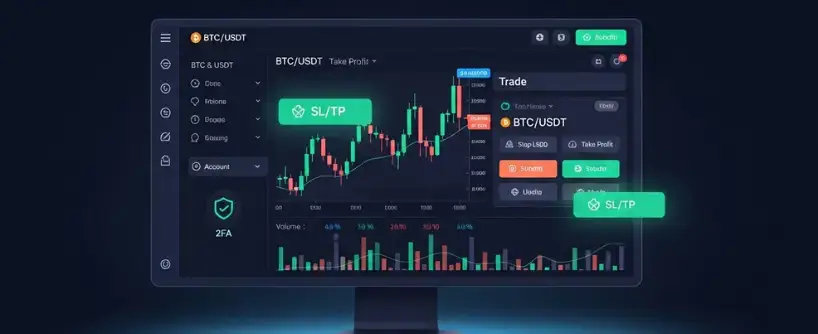 Choosing the right altcoin exchange can significantly impact trade execution and fees. Here are key features to prioritize:
- Spot trading support for both USDT and BTC pairs
- High liquidity for smooth order fulfillment
- Security protocols including cold wallet storage and 2FA
- Mobile and desktop parity for flexible access
- SL/TP (Stop Loss / Take Profit) order features
How to Spot Promising Altcoins
With thousands of tokens on the market, how do you separate the hype from real opportunity? Here’s what to look for:- Development Activity: Is the project updating frequently on GitHub?
- Real Use Case: Does the token solve a problem or enable a service?
- Exchange Volume: Is it traded regularly on high-volume exchanges?
- Community Engagement: Does the project have active support?
- Tokenomics: Are the supply mechanisms sustainable?