
Search Result
Results for "All" (561)

What Are Smart Contract Wallets and How Do They Work?
Smart contract wallets use programmable blockchain accounts to manage assets and authorize transactions. This guide covers how they work, how account abstraction and ERC-4337 enable features such as multi-signature approvals, Social Recovery, transaction batching, and gas sponsorship, and the security risks, potential costs, and key factors to consider when evaluating a wallet.

What Is Bitcoin Halving? How It Works and Why It Matters
Bitcoin halving is a programmed event that reduces the block subsidy by 50% every 210,000 blocks. This guide explains how the mechanism works, its role in Bitcoin's limited supply, its effects on mining revenue, historical price behavior, and what to expect from the next halving.

Types of Crypto Wallets Explained: How They Differ in Security, Storage, and Control
Crypto wallets come in different forms, each offering a different balance of convenience, control, and security. This guide explains how hot and cold wallets, custodial and non-custodial wallets, software and hardware wallets, and multisignature solutions work, with examples of commonly used options and practical guidance on choosing a wallet.
Best Crypto to Buy Now for 2027: Top Cryptocurrencies Ranked & Reviewed
Which crypto is worth buying now for 2027? This guide ranks BTC, ETH, SOL, mid-cap Layer 1s and sub-$1 tokens by risk tier using November 2026 prices, supply data and catalysts, then explains the tokenomic traps to avoid and how execution quality affects what you pay.
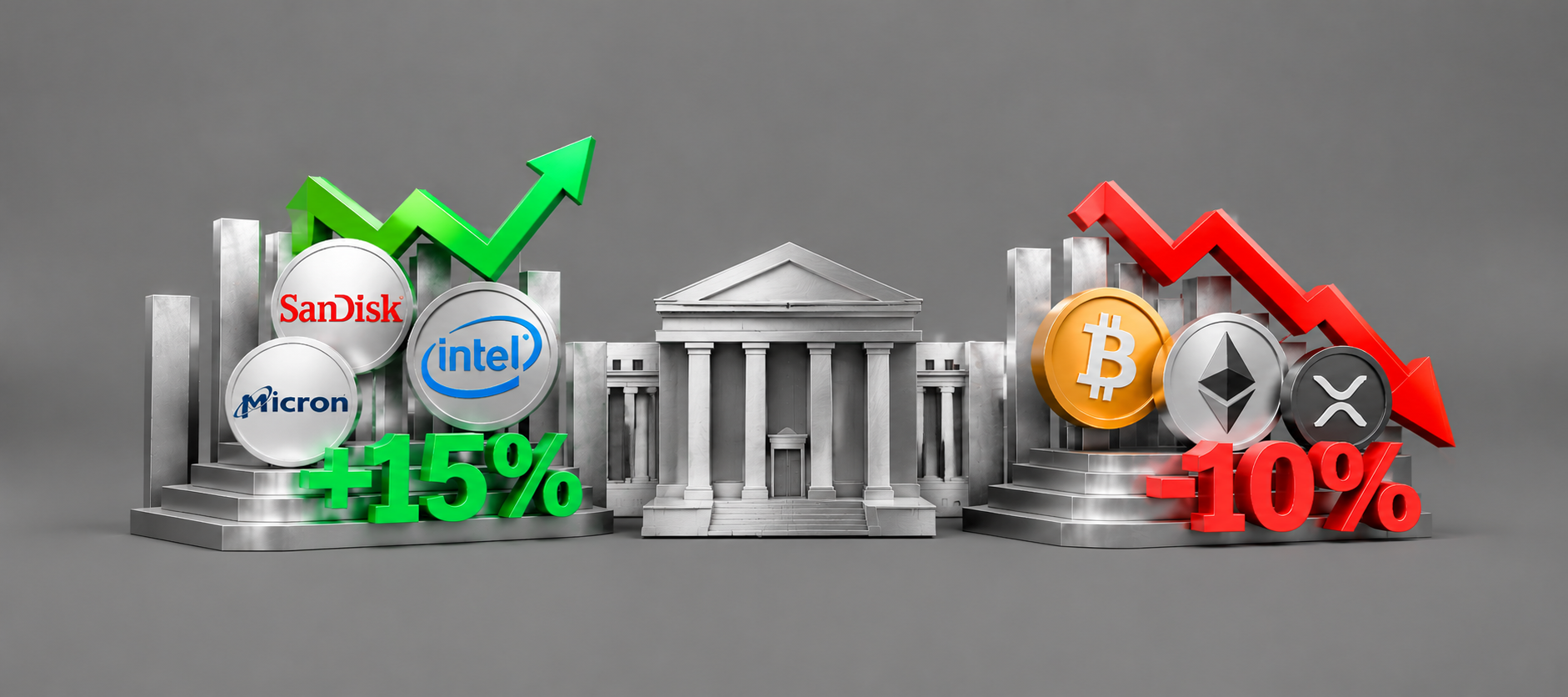
Bitunix Token Pulse Weekly Report: Fed Rate Hike Bets Intensify as BTC Falls Below $70,000 and ETH Drops Under $2,000
Rising expectations of further Federal Reserve rate hikes put pressure on crypto and precious metals this week, sending Bitcoin (BTC) below $70,000 and Ethereum (ETH) under $2,000. The median 7-day return among Bitunix's top 300 crypto assets fell to -5.61%, while PIEVERSE bucked the broader market trend with a 29.05% gain for the week. This edition examines PIEVERSE's recent rally, on-chain activity, whale transfers, and upcoming token unlock risks. Meanwhile, U.S. semiconductor stocks rebounde

Bitunix Exchange: Our Compliance Standards, KYC, And Risk Controls Explained
Learn how Bitunix approaches KYC and compliance, why it matters for platform integrity, and how risk controls, monitoring, and transparency support user protection.

How to Complete Your KYC on Bitunix and What Are the Benefits of Being a KYC Verified User?
In this guide, we’ll walk you through the step-by-step process of completing your KYC verification on Bitunix and explore the key benefits of being a verified user.

Fed Policy Changes and NVIDIA Leadership Risks Put Crypto Liquidity in Focus | Bitunix Market Update
Kevin Warsh's proposed changes to the Fed's meeting schedule could reduce the number of formal rate decisions and make monetary policy guidance more dependent on economic data. At the same time, persistent inflation, AI-driven infrastructure demand, and reported governance concerns surrounding NVIDIA are adding uncertainty to the outlook for financial markets and U.S. dollar liquidity.

XRP Price Prediction 2040: Institutional Valuation Models and Long-Term Price Targets
What could XRP be worth by 2040? This guide runs three MV = PQ scenarios for 2030, 2035, and 2040, tests $100 and $1,000 targets against market cap math, and reviews escrow supply, RLUSD, regulation, and the risk tools traders use while holding through long consolidations.

What Is Market Price in Crypto and How Is It Determined?
Crypto market prices are shaped by order-book activity, liquidity, and trading across different venues. This guide explains how prices are determined, why they vary across exchanges and aggregators, and how Market Price differs from Last Price and Mark Price in futures trading.

What Is Blockchain Technology and How Does It Work?
This guide explains how blockchain technology works, from cryptographic hashing and block structures to transaction validation and consensus mechanisms. Using Bitcoin and Ethereum as examples, it explores decentralization, real-world applications, and the technical limitations that shape blockchain networks.

Bitunix Blue-Chip Asset Biweekly Report: Multiple Headwinds Weigh on Crypto Markets in November as ETF Outflows Persist and BTC Falls to $73,000
From October 30 to November 12, 2026, the crypto market came under pressure from stronger-than-expected U.S. nonfarm payrolls, reduced expectations for interest-rate cuts, and continued outflows from spot Bitcoin ETFs. BTC briefly fell below $73,000, ETH dropped below $2,100, and HYPE retreated from its recent highs. This Bitunix Blue Chip Biweekly Report examines the price performance of BTC, ETH, and HYPE, alongside ETF flows, corporate treasury holdings, and on-chain derivatives activity, off