
Article Summary
- This article provides a practical, step-by-step guide on how to "off-ramp" from crypto by converting USDT (Tether) into USD (U.S. Dollars).
- It outlines the most common method: using a centralized cryptocurrency exchange that supports fiat withdrawals.
- The process is broken down into three main stages: 1) Selling USDT for USD on the exchange's spot market, 2) Linking and Verifying a bank account, and 3) Withdrawing the USD balance.
- The guide emphasizes the importance of using a reputable, regulated exchange that has clear banking partnerships to ensure a smooth withdrawal process.
- It also briefly touches on alternative methods like P2P platforms and crypto debit cards.
You’ve successfully navigated the crypto markets, and your portfolio is showing healthy profits in USDT. Now for the most important step. You want those digital dollars as actual dollars in your bank account, without surprises.
USDT is a stablecoin, which means it aims to track the U.S. dollar. But USDT still lives on crypto rails, and your bank account does not. That gap is why people use a crypto exchange like Bitunix for trading, then a regulated exchange with bank rails for withdrawals.
This guide will provide a clear, universal, step-by-step process for converting your USDT to USD using a centralized cryptocurrency exchange, ensuring you can access your funds securely and efficiently.
The Core Method: Using a Centralized Exchange
A centralized exchange works like a bridge between blockchains and banks. It can accept your USDT deposit, let you trade it for USD, and then send USD to your bank through systems like ACH or wire.
Why An Exchange
If your goal is USDT to cash in a bank account, regulated exchanges remain the most reliable route. They integrate with payment networks, run identity verification, and provide support if an issue arises during the transfer. For example, Kraken lists supported USD cash withdrawal methods with processing times and fees, including ACH withdrawals that can be completed within a couple of business days.
The Three-Step Process
Most platforms dress it up with different buttons, but the backbone stays the same. You convert value inside the exchange first, then connect your banking rails, then withdraw. The basic step-by-step is this one:
- Sell USDT for USD on the exchange
- Link your bank account
- Withdraw the USD
If you understand those three actions, you can use almost any compliant off-ramp.
Step-By-Step Guide To Converting USDT To USD
Before you start, think of this as a simple pipeline: move your USDT to an exchange that supports USD withdrawals, trade it for USD, then send the dollars to your bank. The steps below follow that exact order, so you don’t get stuck mid-way with funds on the wrong platform or network.
Step 1: Choose a Regulated Exchange and Send Your USDT There
Pick an exchange that clearly supports USD withdrawals to banks. In the U.S., common options include MetaMask, Coinbase, Kraken, and Gemini.
If your USDT sits in a self-custody wallet, you will send it to the exchange deposit address. If your USDT sits on a platform that focuses on crypto-to-crypto services, you still do the same thing. You withdraw USDT to the deposit address of the regulated exchange. Bitunix support materials focus on crypto deposits and withdrawals to blockchain addresses, which is exactly what you use for that first transfer.
Network choice is where beginners get wrecked. USDT exists on multiple chains. If your USDT is on TRON and you send it to an Ethereum-only address, you can lose it. Before you send anything, double-check the deposit page and match the network on both sides.
Step 2: Sell Your USDT on the Spot Market
Here is the part that many people misunderstand. You do not magically swap USDT into a bank balance. You place a trade that sells USDT for USD, usually on a USDT/USD market.
If you are searching for how to convert USDT to USD, this is the core action. You open the USDT/USD spot market, choose Sell, then place either a market order (fast, simplest) or a limit order (more control, can take longer).
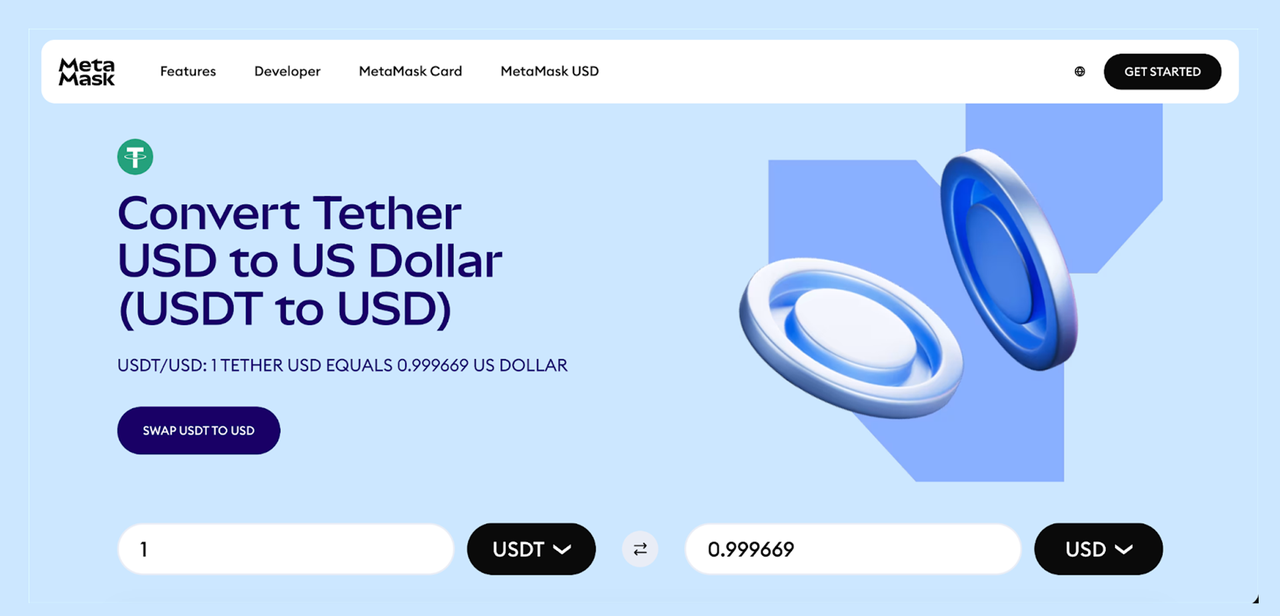
Market orders fill immediately at the best available price. The trade-off is slippage when order books are thin. Limit orders let you choose a price, but you wait until the market reaches it. For most beginners, converting a modest amount, a market order keeps things simple.
USDT usually trades close to $1, but it can drift slightly during stress events or low-liquidity windows. That is normal for any stablecoin in real markets. Tether’s own quarterly report shows how large USDT circulation is, which helps explain why small price deviations still happen at scale.
Step 3: Complete Identity Verification (KYC)
To connect crypto balances to banking rails, regulated exchanges require identity verification. Banks, payment providers, and regulators expect exchanges to know who is moving money.
Do it before you need it. Many people wait until they want to withdraw, then get stuck in review queues. Upload your documents, complete any selfie checks, and make sure your legal name matches your bank account name.
Step 4: Link Your Bank Account
Once you have USD in your exchange account, link your bank account in the withdrawal section. Most exchanges do this in one of two ways.
Some use an instant linking partner where you sign into your bank through a secure widget. Others ask you to enter routing and account numbers and verify micro-deposits. Instant linking is faster. Manual linking is slower, but it works if your bank does not support instant verification.
Expect basic limits and safety rails. Some exchanges impose waiting periods before you can withdraw newly deposited funds.
Step 5: Withdraw Your USD
Withdrawals usually go through ACH or wire. ACH is common for everyday users and is often cheaper. Wire is faster in some cases, but tends to cost more.
Kraken’s cash withdrawal page provides a simple reference point for timing and fees. It lists ACH withdrawals with a processing window of 0 to 2 business days and a fee marked as free.
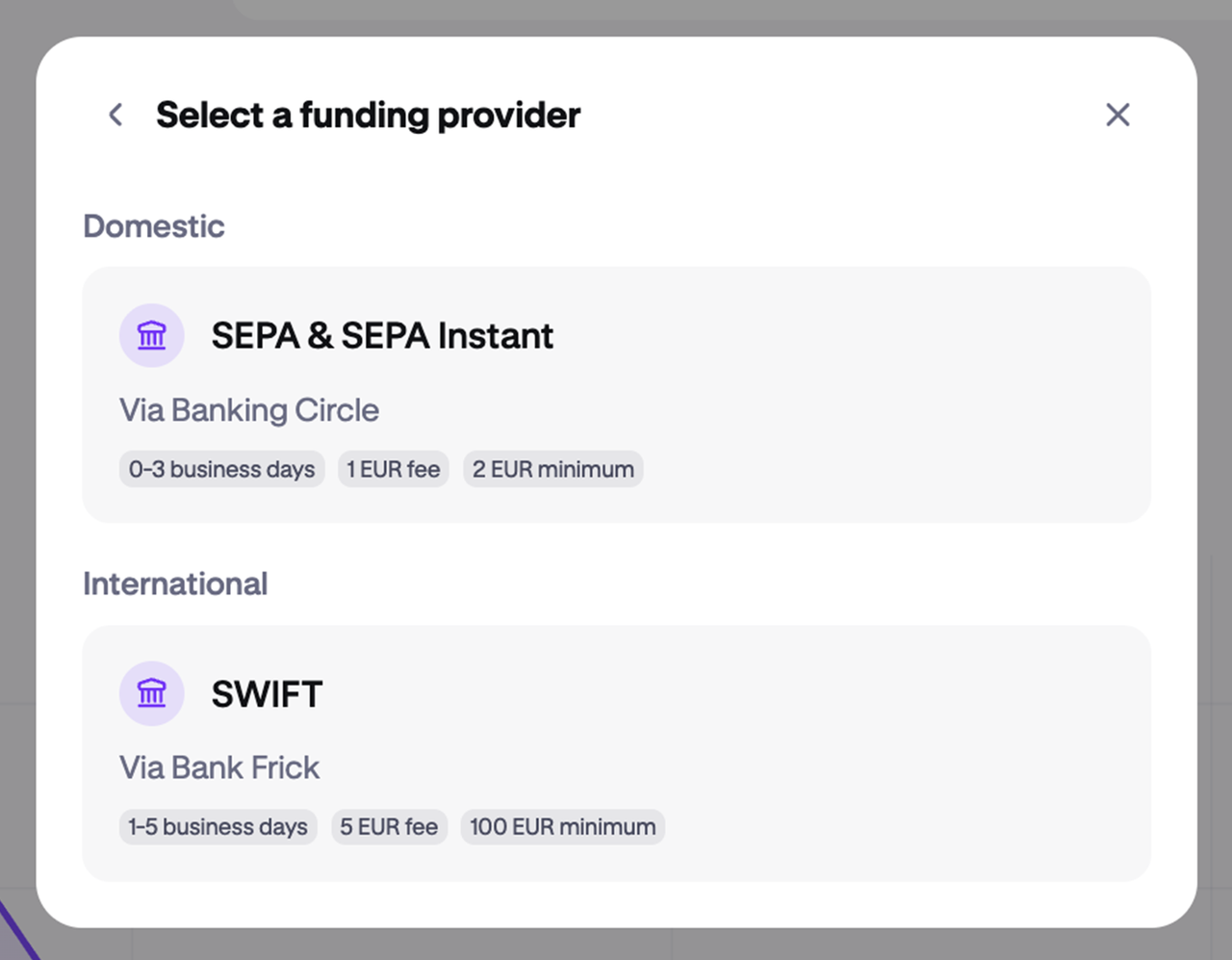
Coinbase also explains that ACH transfers can take several business days to complete in some cases, which helps set expectations if your bank moves slowly.
If your withdrawal looks stuck, do not panic. Check the exchange status page, confirm you used the right bank account, and look for emails asking for verification. When in doubt, open a support ticket with the withdrawal reference number.
What About Fees and Taxes?
Fees and taxes are where people lose money without noticing. You can keep it simple by thinking in layers. You pay to move USDT onto the exchange, you pay to trade it, and you may pay to withdraw USD.
Fees: What You Usually Pay
These are the most common fees involved in the transaction with USDT and USD:
- Network fee to move USDT: If you withdraw USDT from one platform to another, the blockchain charges a fee. On Ethereum, that fee can swing a lot during congestion. On TRON or other networks, it can be much lower. Always check the network and the withdrawal fee screen before you confirm.
- Trading fee to convert USDT into USD: Most exchanges charge a percentage fee per trade. Fee schedules differ by platform and by your monthly volume.
Kraken publishes tiered maker-taker fees for spot trading, which shows how costs drop as volume increases. Coinbase also publishes pricing and fee schedules for trading products, and fees can vary depending on product and volume tier.
For example, say you sell 5,000 USDT into USD. If your effective trading fee is 0.20 percent, the trade costs about $10. If your fee is 0.60 percent, it costs about $30. That difference matters more than people think, especially if you cash out often.
- USD withdrawal fee and bank fees: ACH withdrawals are often free or low-cost at many exchanges, while wires frequently carry a fee. Your bank can also charge incoming wire fees. That part depends on your bank, not the exchange.
Taxes: What Commonly Applies
We are not financial or tax advisors. This is for information only, and you should consult a qualified tax professional for your situation regarding crypto taxes.
In the U.S., selling crypto for fiat is generally a taxable event. The IRS explains that disposing of a digital asset can trigger capital gain or loss reporting, even when the price change feels small.
USDT creates a common surprise. People assume a stablecoin means no taxable impact. In practice, you can still have small gains or losses from price drift, trading fees, and FX effects if you entered from another currency. If you earned USDT through rewards or payments, that income can add another layer of reporting.
Alternative Off-Ramp Methods
Centralized exchanges remain the standard route, but they are not the only route. The trade-off is usually convenience versus risk.
Peer-to-Peer Platforms
P2P off-ramps let you sell USDT directly to another person who pays you via bank transfer or a payment app. Many platforms use escrow so the USDT stays locked until you confirm payment.
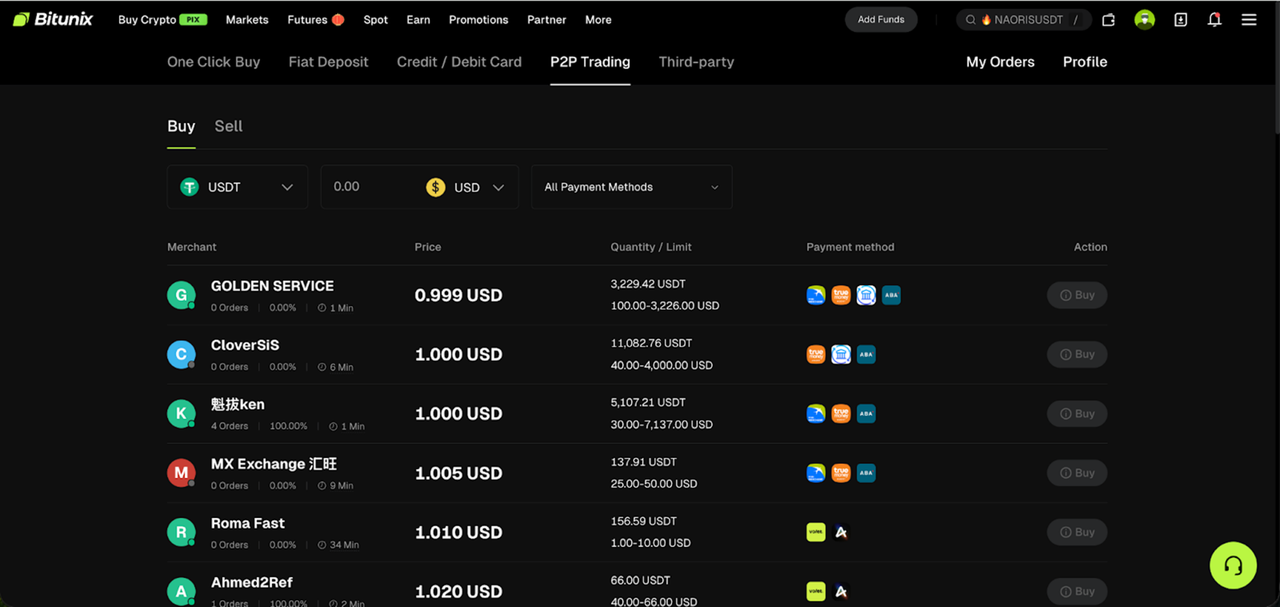
The upside is speed. A buyer can send a bank transfer in minutes, and you release the USDT when you confirm the funds. The downside is fraud risk. Scammers try chargebacks, fake receipts, and identity tricks. The FTC has repeatedly warned about large consumer losses tied to crypto-related fraud, and crypto remains a common payment method in scam reports.
If you use P2P, treat it like meeting a stranger for a high-value sale. Use escrow, follow platform rules, and do not release funds until your bank shows the money cleared.
Crypto Debit Cards and Spending Rails
Crypto debit cards solve the off-ramp problem differently. Instead of moving USD to your bank first, you spend crypto, and the card provider converts it at the time of purchase.
The trade-off is cost and control. Cards can add spreads, foreign transaction fees, or ATM fees, depending on the provider and region. They also do not solve every case. Paying rent or receiving a bank transfer usually still needs a bank-based off-ramp.
Conclusion: Bridging the Gap to Traditional Finance
Converting USDT to USD works best when you keep the steps in order. You move your USDT to a regulated exchange that supports bank withdrawals, you trade it into USD, and you withdraw through ACH or wire based on your needs and fees. Those steps stay the same whether you cash out $200 or $200,000.
While Bitunix is commonly used as a venue for crypto-to-crypto activity, including liquid pairs like BTC/USDT and ETH/USDT, fiat off-ramping depends on a service that supports bank withdrawals and follows local banking rules. Download the app, register, and use Bitunix where it fits your workflow, then off-ramp locally with a regulated partner when you need USD in your bank.
FAQ
Can I withdraw USDT directly to my bank account?
Banks do not accept USDT deposits because USDT runs on blockchains, not banking systems. To reach your bank, you convert USDT into USD on an exchange that supports fiat withdrawals, then withdraw via ACH or wire.
How long does it take to receive USD in my bank account after withdrawal?
It depends on the withdrawal method and your bank. ACH withdrawals often take one to a few business days, while wires can be faster but cost more.
Is it safe to link my bank account to a crypto exchange?
It can be safe when you use a regulated exchange with strong security controls, and you protect your account. Use two-factor authentication, a unique password, and withdrawal whitelists when available. Also confirm the exchange uses reputable banking partners and keep an eye on account alerts.
What is the difference between USDT and USD?
USD is government-issued money held at banks. USDT is a stablecoin issued by Tether that aims to track $1 and is used on blockchains and exchanges. USDT is useful for trading and transfers, but it is not a bank deposit and does not behave like cash in every situation.
Do I have to pay taxes when I convert USDT to USD?
In the U.S., selling a digital asset for USD is generally a taxable disposal, even when the asset is a stablecoin. You report gains or losses based on your cost basis and sale proceeds. The IRS explains that disposing of digital assets can create reportable tax events.
What is the cheapest way to convert USDT to USD?
You lower costs by reducing three fees. Use a low-fee network when transferring USDT, trade on an exchange with lower spot fees for your volume tier, and withdraw via ACH instead of wire when time allows. For small cash-outs, trading fees often matter more than withdrawal fees.
Can I convert USDT to other fiat currencies like EUR or GBP?
Yes, if the exchange supports that fiat currency and has the right banking rails. The process stays the same. You sell USDT into the local fiat pair, complete KYC, then withdraw to a bank account in that currency.
Why does my exchange need my ID to withdraw USD?
Banks and payment networks require compliance checks. Exchanges that connect to banking rails must verify customer identity to meet legal and risk requirements. This includes anti-money laundering checks and sanctions screening. Completing verification early helps you avoid delays when you want to withdraw quickly.
What is an ACH transfer?
ACH is a U.S. bank transfer network used for direct deposits and bill payments. Many exchanges use it for USD deposits and withdrawals. It is usually cheaper than wire transfers, but it is slower and can take a few business days depending on the bank and the platform’s processing rules.
What should I do if my withdrawal is delayed?
First, check the withdrawal status in the exchange and confirm your bank details. Then check for emails asking for verification or a warning about a hold. If the delay exceeds the published window for your method, contact support with the withdrawal reference ID and screenshots. Avoid retrying withdrawals.
Glossary
- ACH Transfer: U.S. bank transfer system used for many fiat deposits and withdrawals.
- Bank Wire: Direct bank-to-bank transfer, often faster and higher cost than ACH.
- Centralized Exchange (CEX): A company-operated platform that matches trades and can connect to banks.
- Cost Basis: Your original purchase price for an asset, used to calculate gains or losses.
- Crypto Off-Ramp: A method to convert crypto into fiat in your bank account.
- Custody: Who controls the private keys for crypto assets.
- KYC: Know Your Customer identity verification required by many exchanges.
- Limit Order: An order that fills only at your chosen price or better.
- Market Order: An order that fills immediately at current market prices.
- Network Fee: Fee paid to a blockchain network to process a transaction.
- Plaid: A service that helps apps securely connect to bank accounts.
- Spot Market: The market where assets are bought and sold for immediate delivery.
- Stablecoin: A crypto asset designed to track a reference value like USD.
- USDT: Tether, a widely used USD-pegged stablecoin issued on multiple blockchains.
- Withdrawal Hold: A security restriction that temporarily limits withdrawals after certain funding events.
About Bitunix
Bitunix is a global cryptocurrency derivatives exchange trusted by over 3 million users across more than 100 countries. The platform is committed to providing a transparent, compliant, and secure trading environment for every user. Bitunix offers a fast registration process and a user-friendly verification system supported by mandatory KYC to ensure safety and compliance. With global standards of protection through Proof of Reserves (POR) and the Bitunix Care Fund, Bitunix prioritizes user trust and fund security. The K-Line Ultra chart system delivers a seamless trading experience for both beginners and advanced traders, while leverage of up to 200x and deep liquidity make Bitunix one of the most dynamic platforms in the market.
Bitunix Global Accounts
X | Telegram Announcements | Telegram Global | CoinMarketCap | Instagram | Facebook | LinkedIn | Reddit | Medium
Disclaimer: Trading digital assets involves risk and may result in the loss of capital. Always do your own research. Terms, conditions, and regional restrictions may apply.