Crypto Assets 101
Public Chains

Aptos: The Next-Generation Move Language Blockchain Inheriting Meta’s DNA

Hedera: An RWA Transaction Public Chain Recognized by Major Global Institutions

Optimism: OP Stack and the Superchain Vision

Arbitrum: Ethereum’s Strongest L2 Scaling Solution
Polygon: Ethereum’s Multi-Chain Scaling “Internet”
Canton Network: A Privacy-Focused Public Blockchain Valued at $2 Billion
Stacks Protocol Review: The Leading Smart Contract and Layer-2 Extension Layer for Bitcoin
Bitcoin Explained: Why It's the Digital Gold of the Crypto World

Immutable (IMX): The Layer 2 Blockchain Powering Web3 Gaming
Immutable is a Layer 2 blockchain infrastructure founded by Australian brothers James and Robbie Ferguson, originally designed to bring scalable, low-cost NFT trading and digital ownership to Ethereum. The project emerged from the limitations encountered while developing Gods Unchained, a blockchain trading card game, where high gas fees and slow transactions on Ethereum made player interactions difficult. This led to a partnership with StarkWare to create Immutable X, a ZK-rollup network focused on NFT minting and trading using StarkEx technology. As the Web3 gaming industry evolved, Immutable expanded its technology stack from Immutable X to Immutable zkEVM (announced March 2023, an EVM-compatible zk-rollup), and then to Immutable Chain, transitioning from simple NFT scaling to providing comprehensive blockchain gaming infrastructure. The ecosystem features notable titles like Gods Unchained (with the Waking Plague expansion announced for June 2026) and Guild of Guardians, while Immutable Passport offers a unified wallet and identity experience with over 6 million verified users connecting 1,000+ apps. IMX is the native utility and governance token with a capped supply of 2 billion, used for staking, governance, developer incentives, trading rewards, gas fees (on Immutable zkEVM), and in-game rewards. Staking IMX can earn rewards, though eligibility historically required ecosystem participation like NFT trading. IMX reached an all-time high of around $3.64 in November 2021 and has since experienced significant volatility tied to broader crypto and NFT gaming market cycles. Notably, Immutable X was merged into Immutable Chain in early 2026, with its original functionality being deprecated. Users can purchase IMX through decentralized exchanges like Uniswap or centralized exchanges like Bitunix.

Conflux: A High-Performance Layer 1 with Tree-Graph Technology and Chinese Research Roots
Conflux Network is a Layer 1 blockchain founded in 2018 by Fan Long, with roots in the academic research community surrounding Turing Award laureate Professor Andrew Yao of Tsinghua University. Unlike traditional single-chain architectures, Conflux employs a proprietary Tree-Graph Ledger that combines a tree structure with a Directed Acyclic Graph (DAG), enabling parallel block processing for higher throughput without sacrificing decentralization. Consensus is secured through a hybrid Proof-of-Work (PoW) and Proof-of-Stake (PoS) model, using the GHAST algorithm for efficient chain selection. The network features two execution environments: Core Space and eSpace, the latter fully compatible with the Ethereum Virtual Machine (EVM) for seamless developer migration. The native token CFX powers transaction fees, staking, and ecosystem governance. Conflux's ecosystem spans DeFi (Swappi DEX, Nucleon liquid staking), cross-chain infrastructure (Meson), and Web3 applications. Distinctively, Conflux maintains deep ties with Chinese research institutions and industry partners—including the Shanghai Tree-Graph Blockchain Research Institute, a Blockchain SIM (BSIM) initiative with China Telecom, and explorations of offshore RMB stablecoin solutions for Belt and Road cross-border payments. Positioned primarily as a blockchain infrastructure provider rather than a pure crypto trading project, Conflux has completed key milestones including a $35 million funding round, mainnet launch in 2020, and the v2.0 upgrade. For users seeking CFX exposure, centralized exchanges like Bitunix offer fiat and USDT trading pairs with KYC-compliant onboarding and institutional-grade security measures such as Proof of Reserves and cold/hot wallet separation.
XRP: Ripple's Solution for Instant Global Payments

Avalanche: High-Speed Blockchain with Flexible Subnet Architecture

Polkadot: Enabling Blockchain Interoperability for Web3 Connectivity
TRON: Creating a Decentralized Entertainment Ecosystem with TRX
Ethereum as the World Computer: Smart Contracts Powering the Decentralized Web
Solana: The High-Performance Public Chain Leading in Speed and Efficiency
Filecoin Guide: The Digital Asset World of Decentralized Storage
ICP Analysis: Building a Fully Scalable Smart Computing Platform

TON: The Social Blockchain Powered by the Telegram Ecosystem
Stellar: Making International Money Transfers Affordable and Fast
Cardano: Science-Backed Blockchain for a Sustainable Future
Litecoin: The Silver Standard Offering Faster Crypto Transactions

SUI: Breakthrough Blockchain for High-Speed Web3 Applications
BNB: The Backbone of Binance Chain and Ecosystem Growth
Stablecoins

AI



DeFi

PancakeSwap Review: The Dominant BNB Chain DEX and Multi-Chain Liquidity Engine

Jito Protocol Review: Maximizing Solana Yields with MEV-Boosted Liquid Staking

Jupiter Protocol Review: The Ultimate Solana Liquidity Aggregator and DeFi Gateway
Pyth Network Review: The Leading Solana Oracle Reshaping DeFi Data
NEAR: From a High-Performance Public Blockchain to a Data Availability Layer That Challenges Ethereu

Aster: Pushing Beyond Limits, the Next-Generation Leader in Decentralized Perpetual Futures

Aerodrome Explained: The ve(3,3) Flywheel Powering Base's Leading DEX
Hyperliquid: Advanced On-Chain Perpetual Futures Exchange

Pendle: An Analysis of the Core Protocol for DeFi Yield Trading Infrastructure and Fixed-Income Markets
Pendle is a core decentralized yield trading protocol in DeFi, aiming to build infrastructure akin to traditional finance interest rate markets. Its primary innovation is "Yield Tokenization," which splits any yield-bearing asset (such as LSTs or LRTs) into Principal Tokens (PT) representing the underlying principal, and Yield Tokens (YT) representing the right to future yields. This mechanism allows users to freely trade, price, and hedge future yields, enabling fixed-income and zero-coupon bond-like investment strategies within DeFi. Since its launch in 2021, Pendle has evolved from lending protocol yield trading (V1) and AMM/SY framework upgrades (V2), to experiencing exponential growth in TVL and volume during the 2023–2024 LST and EigenLayer restaking ecosystem boom. PENDLE is its native governance token with a max supply of 258 million, utilizing a vePENDLE tokenomics model where locked tokens grant governance rights and influence liquidity incentive distribution. Users can acquire PENDLE via DeFi liquidity mining or through centralized exchanges like Bitunix using stablecoins or fiat currencies.

Ethena (ENA): The Synthetic Dollar Protocol Powering the Next Generation of Stablecoins
Ethena is an Ethereum-based synthetic dollar protocol that issues USDe, a crypto-native stablecoin designed to maintain its peg through a delta-neutral strategy. By combining spot crypto assets with corresponding short derivatives positions, USDe hedges price volatility while generating yield from funding rates and basis spreads, breaking away from the traditional fiat-backed reserve model. The Ethena ecosystem features sUSDe, a staked, yield-bearing version of USDe, which integrates deeply with DeFi protocols like Aave and Pendle for enhanced composability. ENA, the protocol's governance token with a maximum supply of 15 billion, can be staked to receive the liquid receipt token sENA. Notably, in August 2026, Ethena proposed a revenue-based ENA buyback mechanism, which will allocate 95% of net protocol revenue to automatically buy back ENA once USDe's supply reaches the $7.5 billion milestone. Despite the protocol's technological innovation and USDe's growing adoption, ENA has experienced significant price volatility since its April 2024 TGE, ranging from an all-time high of around $1.52 to a low of $0.07 in mid-2026. Users can purchase ENA through decentralized exchanges like Uniswap or via centralized exchanges like Bitunix using USDT or other supported assets.

Celestia: The Pioneer of Modular Blockchains Redefining the Data Availability Layer
Founded in 2019 by cryptography researchers including Mustafa Al-Bassam, Celestia is widely recognized as the pioneer of the modular blockchain movement. It addresses scalability bottlenecks by decoupling data availability and consensus layers from transaction execution, specifically designed to support high-throughput Rollup networks. Key innovations include Data Availability Sampling (DAS), which allows nodes to verify data integrity without downloading entire blocks, and Named Merkle Trees (NMTs) to organize cross-Rollup data efficiently. This technology enables Celestia to process massive volumes of transactions at significantly lower costs compared to traditional Layer 1 blockchains.
dYdX: How a Decentralized Perpetual Futures Exchange Evolved Its Architecture
dYdX is a Decentralized Perpetual Futures Protocol that has evolved significantly from its Ethereum-based origins to a purpose-built blockchain. Launched in 2017 by Antonio Juliano as smart contracts on Ethereum, the platform underwent multiple iterations—moving to v3 based on StarkWare's Layer 2 technology before launching dYdX Chain (v4) in 2023 using the Cosmos SDK. This architectural shift enabled greater control over performance while preserving blockchain security. The DYDX token serves governance, staking, validator security, and ecosystem incentives, with a max supply of 1 billion tokens. Despite being an early leader in Perp DeXs, dYdX faces growing competition from high-performance platforms like Hyperliquid, which were designed around dedicated trading infrastructure from the start. DYDX's long-term value proposition depends on the growth of decentralized derivatives adoption, network usage, and its ability to compete effectively in an increasingly crowded market.

KAITO: An AI-Powered Crypto Intelligence Platform Reshaping Web3 Information Markets
KAITO is the native token of Kaito AI, a crypto information search and analytics platform founded in 2022 by quantitative finance expert Yu Hu. Unlike traditional keyword-based search engines, Kaito AI leverages natural language processing and AI models to aggregate and analyze crypto-related information across X, Discord, Medium, and other sources—helping users identify emerging trends, understand market narratives, and track ecosystem developments. The platform has raised funding from Dragonfly Capital and Sequoia Capital China. Kaito AI's product architecture spans both ToC and ToB models. For individual users, the Yaps (Yaps Points) mechanism quantifies community influence by analyzing content quality, relevance, and engagement—transforming social media attention into a measurable and incentivizable asset. For institutions, Kaito AI provides AI-powered market intelligence services, often compared to a “Bloomberg for crypto markets,” offering subscription-based sentiment analysis, trend tracking, and competitive intelligence. The KAITO token has a total supply of 1 billion, with significant allocations for community and ecosystem incentives, reflecting the platform's ambition to build a token-driven attention economy where high-quality information contributions are rewarded. KAITO is not mined but distributed through ecosystem participation and market circulation; centralized exchanges like Bitunix offer fiat and USDT trading pairs with KYC-compliant onboarding. Long-term value will depend on whether Kaito AI can convert enterprise demand for structured crypto intelligence into sustainable revenue and successfully transform "attention" into lasting economic value.

LayerZero: The Cross-Chain Infrastructure Connecting the Multichain World
LayerZero is a cross-chain interoperability protocol designed to enable direct communication between different blockchains through a universal messaging framework. Unlike traditional bridges focused on asset transfers, LayerZero emphasizes omnichain messaging, supporting token transfers, smart contract calls, data synchronization, and cross-chain application interactions. Its core innovation lies in the Omnichain Messaging Protocol, which uses Endpoints, Oracles, and Relayers to verify and transmit cross-chain messages, complemented by the Ultra Light Node (ULN) architecture that balances security and cost efficiency. Founded in 2021 by Bryan Pellegrino, Ryan Zarick, and Caleb Banister, LayerZero has raised over $250 million from investors including a16z Crypto and Sequoia Capital. ZRO is the governance token with a total supply of 1 billion, featuring a Proof of Donation mechanism to encourage long-term ecosystem participation.

Centrifuge: A Pioneer in On-Chain RWA Credit

Ondo: A Complete Analysis of Real-World Asset Tokenization

Aave Protocol: The Evolution of an On-Chain Bank
Lido Protocol: Unlocking Liquidity in PoS Staking
Uniswap: The Premier Decentralized Exchange for Token Swaps

Chainlink: Reliable Oracles for Real-World Blockchain Integration
Meme

PONS: The Token Launchpad Powering Robinhood Chain
PONS is the native token of Pons, one of the most active token launchpads on Robinhood Chain. The platform lets users create and trade new tokens permissionlessly, and on September 16, 2026 alone, 335,400 tokens were launched with roughly $320 million in daily trading volume. Each launch costs 0.0005 ETH, tokens have a fixed supply of 1 billion, and the graduation threshold is 4.2 ETH in paired liquidity. Pons directs 80% of protocol fees toward automated PONS buybacks, with purchased tokens sent to a burn address; about 297.9 million PONS, or 29.79% of the original supply, had been burned by September 6, 2026. PONS gained roughly 500% in the week before September 3 and traded near $0.59 on September 16. The article also compares Pons with Pump.fun, examines PONS tokenomics, and explains how to buy PONS through exchanges such as Bitunix.

Useless Coin (USELESS) Explained: The Meme Coin That Promised Nothing
Useless Coin (USELESS) is a Solana-based memecoin launched in May 2025 via the LetsBONK.fun ecosystem. Unlike traditional crypto projects that promise utility or ambitious roadmaps, USELESS embraces "uselessness" as its core narrative—featuring no staking, no governance, and no product, effectively turning the absence of utility into its strongest cultural appeal. Backed by Bonk Guy, a prominent figure in the Solana meme community, USELESS rallied around the provocative and simple goal to "Flip BONK." In late August 2026, the token surged nearly 6x from $0.03 to $0.23, highlighting its extreme volatility and heavy reliance on social momentum rather than fundamentals. USELESS has a maximum supply of 1 billion tokens with no presale, no team allocation, and revoked mint authority. Its value is driven entirely by community attention, liquidity, and meme sentiment. Users can buy USELESS via Solana DEXs or centralized exchanges like Bitunix using USDT or fiat currencies.

MarsCoin (MARSCOIN): The BNB Chain Meme Coin Connecting the Mars Narrative with SpaceX
MarsCoin (MARSCOIN) is a BNB Chain-based meme coin launched in 2026, built around the narratives of Mars exploration, SpaceX, and Elon Musk's space ambitions. Unlike traditional meme coins that rely solely on community culture, MarsCoin introduces an innovative "Meme Coin + Tokenized Stock" model by linking its ecosystem with SPCXB, a tokenized asset corresponding to SpaceX stock. Its standout feature is a unique reward mechanism: wallets holding at least 10,000 MARSCOIN can earn SPCXB rewards from a dedicated vault. This vault is continuously funded by a 3% transaction tax applied to both buys and sells of MARSCOIN. With a total supply of 1 billion tokens, MarsCoin's tokenomics are straightforward, directly tying trading activity to holder rewards without complex team allocations or staking models. Investors should note that MARSCOIN is an independent meme token and does not represent direct ownership or voting rights in SpaceX; its price remains heavily influenced by meme market sentiment and liquidity. Users can purchase MARSCOIN through centralized exchanges like Bitunix (using stablecoins such as USDT or fiat) or via decentralized exchanges within the BNB ecosystem.

BOME: The Digital Archive of Solana Meme Culture
BOME (Book of Meme) is an SPL token launched on the Solana blockchain by NFT artist Darkfarms in March 2024. Diverging from typical animal-centric meme coins, BOME envisions a decentralized digital archive designed to preserve internet meme culture permanently on-chain. With a total supply of 69 billion tokens—a nod to classic internet meme culture—the project emphasizes the community and cultural narrative over technological infrastructure. Relying on Solana's high throughput and low costs, BOME allows for rapid trading and minting activities. Users can acquire BOME through various methods, including utilizing Web3 wallets on Solana DEXs or trading directly on centralized exchanges such as Bitunix.

PEOPLE: The Meme Token Inspired by ConstitutionDAO and the Idea of People’s Power
PEOPLE is an Ethereum-based ERC-20 token rooted in the ConstitutionDAO experiment of 2021. ConstitutionDAO mobilized a global online community aiming to collectively bid for a rare original copy of the U.S. Constitution at a Sotheby's auction. Though it raised over $40 million and became one of the most prominent decentralized crowdfunding efforts of its time, the campaign ultimately lost to billionaire Ken Griffin. PEOPLE was issued as a governance and participation token with a total supply of approximately 5.06 billion tokens, distributed through community fundraising without a traditional ICO or significant allocation to venture capitalists. Following the dissolution of the DAO, PEOPLE evolved into a culturally driven meme asset symbolizing decentralization and "people power." Investors can trade PEOPLE on decentralized exchanges (DEX) or centralized platforms such as Bitunix, though they should be aware of typical meme coin volatility and risk.

SPX6900 Analysis: The Emerging Meme Coin Backed by Crypto Analyst Murad
SPX6900 (SPX) is an Ethereum-based meme coin launched in 2023, named after a satirical fusion of the S&P 500 index and the internet meme number "6900"—its fictional vision being a new stock index tracking 6,900 assets with a $69 trillion valuation. Unlike animal-themed meme coins such as DOGE and SHIB, SPX6900's core narrative revolves around the "meme-ification of financial markets," transforming traditional finance symbols into internet culture artifacts that reflect market speculation and financial culture with humor. The project gained mainstream attention after crypto researcher Murad Mahmudov—a former Bitcoin analyst known for his "Memecoin Supercycle" thesis—repeatedly endorsed SPX6900 as a high-potential meme coin, praising its distinct cultural narrative: a satire of traditional finance rather than mere animal imagery. His public backing served as a powerful catalyst, rapidly expanding SPX's community and trading visibility. Culturally, SPX6900's website has embraced anime and internet meme aesthetics, evolving from a token info page into a distinctive cultural entry point, mirroring the broader trend of meme coins transforming into cultural IP. On tokenomics: SPX has a fixed total supply of 1 billion tokens with no minting mechanism; approximately 69 million tokens (6.9%) have been burned, reducing circulating supply below the cap. There are no foundation allocations, private sale tranches, or team vesting schedules—value is driven entirely by community consensus, brand culture, and narrative resonance. Investors can acquire SPX via compliant centralized exchanges like Bitunix, which supports fiat and USDT trading pairs with KYC-compliant onboarding and institutional-grade security.

PENGU's Super IP Strategy: Building a Real-World Brand from a Meme

BONK Deep Dive: How Community Builder Nom Shaped a Meme Coin
PEPE: The Comeback of the Green Frog and the Pure Spirit of Meme Culture

SHIB: From a Decentralized Experiment to a Leading Memecoin Ecosystem

Pump.fun: The Super Launchpad Driving the Global Meme Craze

Dogecoin: Meme Coin Phenomenon – Community-Driven Crypto Success
Crypto Basics
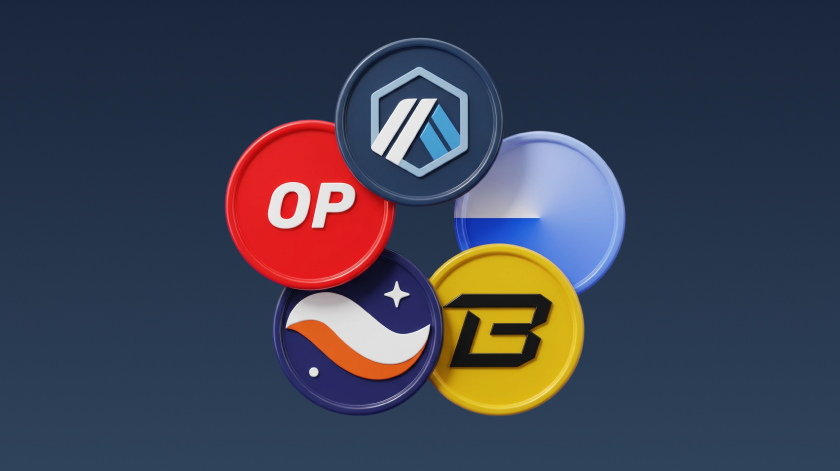
What Is Ethereum Layer 2?
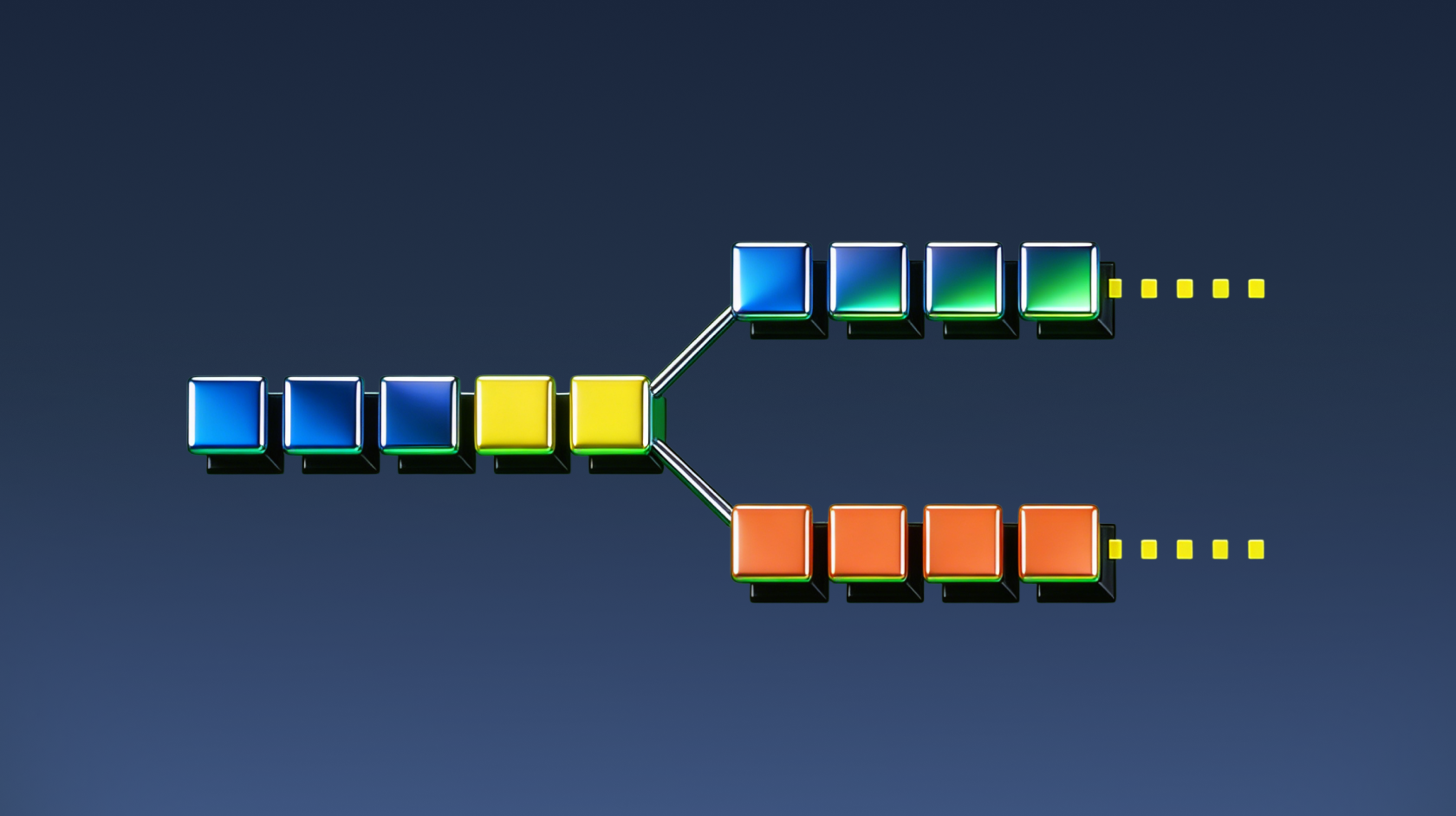
How to Understand Blockchain Forks

DAO (Decentralized Autonomous Organization): The On-Chain Governance Mechanism of the Web3 World

Decoding Oracles: The Core Infrastructure of DeFi
A Detailed Guide to Wrapped Tokens: How Cross Chain Asset Transfer Works

First On-Chain Trade? 5 Crypto Basics You Need to Know Before You Start