

Article Summary
- This guide provides a foundational understanding of crypto trading bots, explaining what they are, how they work, and the primary benefits they offer.
- It breaks down the two most popular and accessible bot strategies for beginners: Grid Trading (for profiting from volatility in ranging markets) and DCA Bots (for disciplined, long-term accumulation).
- The article establishes that the platform on which you run your bots is just as important as the strategy itself, highlighting key factors like reliability, fees, and user-friendliness.
- Bitunix is then introduced as the ideal platform for beginners to start their automated trading journey, with its specific advantages clearly explained.
- A step-by-step guide shows users how to launch their first bot on Bitunix, reinforcing the platform’s ease of use.
Crypto trading bots are becoming increasingly popular for several reasons. Some traders use them as a simple way to stick to a dollar-cost averaging strategy, while others rely on them to execute trades quickly based on technical factors that a human trader might miss. These tools allow users to trade 24/7 with minimal manual input and have the ability to remove emotions from a trading strategy.
It is important to set realistic expectations. Trading bots are tools for execution, not guaranteed profit machines. They follow predefined rules and parameters and perform best when paired with a clear strategy and proper risk management.
At the same time, the sheer number of crypto trading bots available can make it difficult for newcomers to know where to start or how to use them effectively. This guide will walk users through the basics of getting started with trading bots and explain how to launch a Bitunix trading bot in 2026.
What Is a Crypto Trading Bot? (The General Guide)
Before launching a crypto Bot trading strategy, it is important to have a solid understanding of what these tools are and how they work. This helps reduce the risk of relying on a losing strategy or setting unrealistic expectations. Trading bots can be extremely effective, but only when users clearly understand their purpose and limitations.
A crypto trading bot is software that automatically executes trades based on predefined rules and strategies set by the user. Bots operate using logic, market data, and technical indicators rather than intuition.
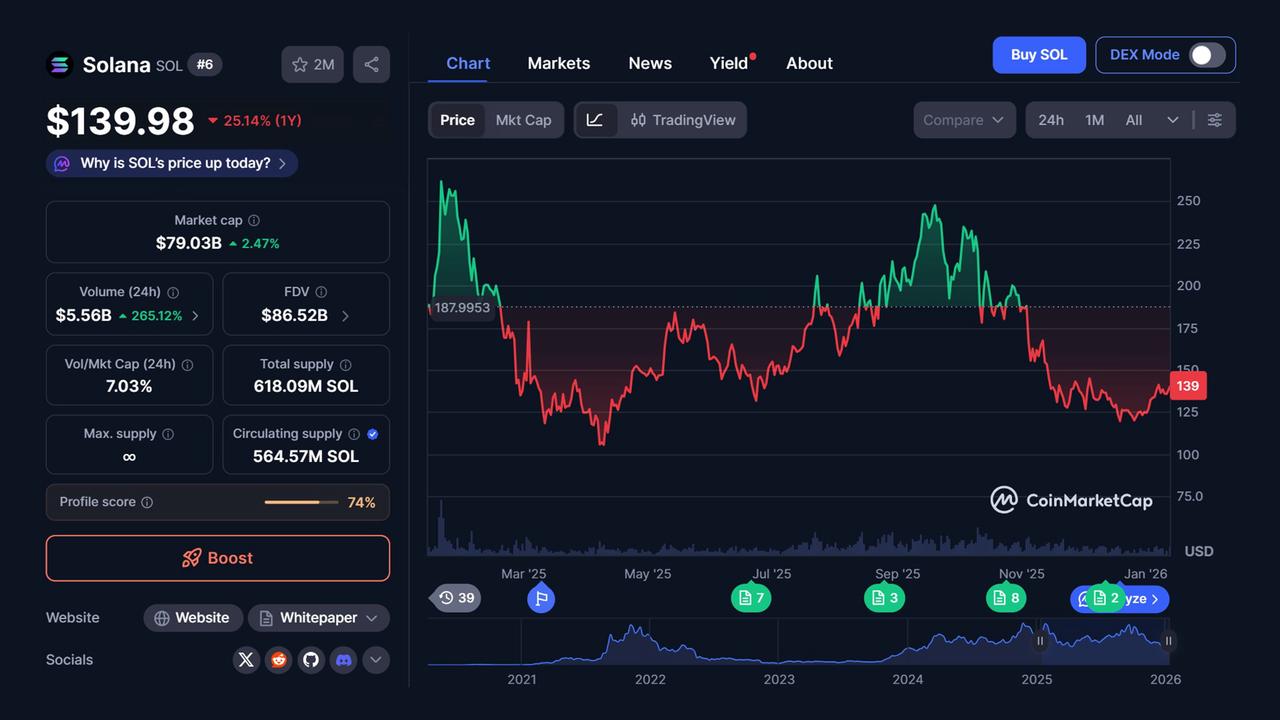
For example, a bot trading SOL-USDT futures might be programmed to open a long position when specific moving averages cross, place stop-loss and take-profit orders automatically, and close the position without any manual input. The volatility that we can see on the SOL-USDT chart below might be an issue for a manual trader, but someone with a well-designed bot may well have earned massive returns trading SOL futures during moments of heightened uncertainty.
There are several reasons bots are often seen as a strong alternative to manual trading. They eliminate emotion by removing fear, greed, and FOMO from decision-making. Bots also operate 24/7, allowing them to capture opportunities at any time, including while the user is asleep. Finally, they improve speed and discipline by executing strategies instantly and consistently, without hesitation or fatigue.
In summary, trading bots are not magic tools that guarantee profits. However, when used correctly, they can be more efficient and potentially more profitable than manual trading.
The Two Most Popular Bot Strategies for Beginners
There are plenty of bots that offer very niche and often highly risky trading strategies. However, for most people, especially beginners, it is best to stick to one of the two following options. These strategies are well understood, widely supported by exchanges, and easier to manage from a risk perspective.
Grid trading bots are designed to profit from sideways or ranging markets. The bot places multiple buy and sell orders at fixed price intervals within a defined range. When the price moves up and down, the bot repeatedly buys low and sells high.
For example, a grid bot trading BTC-USDT might be set between $58,000 and $62,000, placing buy orders every $500 on the way down and sell orders every $500 on the way up. Each small movement generates incremental profit.
This strategy works best in choppy markets where price fluctuates without a strong trend, but it can struggle if the market breaks sharply in one direction.
Dollar-Cost Averaging (DCA) bots focus on gradually entering or exiting positions over time. Instead of placing one large trade, the bot splits it into smaller purchases or sales at regular intervals or during pullbacks.
For instance, a DCA bot might buy $100 of ETH-USDT every day or add to a position whenever the price drops by 3%. This reduces the risk of poor timing and smooths volatility.
DCA bots are particularly useful for longer-term strategies and beginners who want consistent exposure without actively managing trades.
Why Your Choice of Platform Matters
Understanding trading bots is only half the battle, as these bots need to be deployed on an exchange. Their success will be massively impacted by the features offered by that exchange. There are several factors to consider carefully before deciding where to deploy your crypto trading bot, as the wrong platform choice can undermine even the best strategy.
In practice, centralized exchanges (CEXs) are the primary environment for bot trading. They offer deep liquidity, fast order execution, stable APIs, and built-in tools that allow bots to operate efficiently across spot and futures markets. Most beginner-friendly bots are also designed specifically to run on CEX infrastructure.
When choosing an exchange for bot trading, there are a few key elements to look out for:
- Reliability: Near-perfect uptime is essential so bots can execute trades without interruption.
- Low Fees: Bots rely on small, frequent trades, meaning high fees can quickly erode profits.
- Ease of Use: A complicated setup process increases the risk of configuration errors and costly mistakes.
- Security: A strong security track record and regularly updated Proof of Reserves are critical, as bots require continuous access to user funds.
In summary, the right exchange provides the technical foundation that allows trading bots to operate safely, efficiently, and consistently.
The Bitunix Advantage – The Ideal Platform for Your First Bot
Although many exchanges offer crypto bot integration, the Bitunix trading bot feature stands out for several reasons in terms of both security and profit generation potential. Many of these features are designed to improve the overall trading experience on the exchange, but they also have a direct and meaningful impact on how effectively trading bots can operate.
Launching a bot on Bitunix is straightforward, even for beginners. Users can access built-in bot tools directly from the trading interface, select a strategy such as grid trading or DCA, choose a trading pair, and either apply AI-driven auto-parameters or manually configure their own settings. Risk controls such as stop-loss and take-profit levels can be applied during setup, allowing a bot to be deployed in minutes without complex configuration.
Fees are a critical factor for bot traders, and Bitunix performs strongly in this area. Spot trading fees start at 0.08% for makers and 0.1% for takers, with further reductions available through VIP tiers. Since bots often execute a high volume of small trades, lower fees directly translate into improved net profitability.
Security is another key advantage. Bitunix offers verifiable Proof of Reserves alongside a dedicated $30 million USDC Care Fund, providing strong protection for user assets. Combined with a high-performance matching engine and extremely reliable uptime, Bitunix ensures bots execute trades precisely without missing key market movements.
Step-by-Step: Launching a Grid Bot on Bitunix
Setting up a trading bot on any exchange requires preparation and basic risk planning. While automated trading is more complex than simple spot trading, Bitunix simplifies the process by offering both built-in bot tools and secure API access for advanced automation.
Step 1: Account Setup and Funding
Create a Bitunix account via the official website or mobile app and fund your wallet using crypto deposits or supported fiat options. Ensure funds are allocated specifically for bot trading rather than your entire portfolio.
Step 2: Choose Built-In Bot or API Automation
For beginners, Bitunix’s built-in Grid Bot requires no API setup and can be launched directly from the trading interface. Advanced users can generate API keys from account settings to connect custom or third-party bots.
When creating API keys:
- Enable trading permissions only
- Disable withdrawal access
- Apply IP whitelisting where available
- Store keys securely offline
Step 3: Configure Strategy and Risk Controls
Select a trading pair (e.g. BTC/USDT), define the grid range, investment size, and activate AI auto-parameters if desired. Always set stop-loss levels, position size limits, and daily or weekly loss caps before launching the bot.
This structured approach ensures automation is controlled, secure, and aligned with your risk tolerance. Always remember that trading bots can incur losses just like a human trader, so it’s important to consider your risk tolerance before deploying a bot with capital.
Final Thoughts on Setting Up A Bitunix Trading Bot in 2026
This guide provides a detailed overview of crypto trading bots and how to use them with Bitunix. When deployed correctly, these bots can perform far better than human traders due to their speed, 24/7 uptime, and ability to remove emotion from trading by operating solely on predefined parameters. To get started with crypto trading bots today, sign up on Bitunix or download the Bitunix mobile app and begin exploring automated strategies.
FAQs
Are trading bots a guaranteed way to make money?
No. Trading bots automate execution, but profits still depend on market conditions, strategy design, and proper risk management.
What are the main risks of using a crypto trading bot?
Key risks include poor strategy configuration, unexpected market trends, high volatility, technical outages, and over-allocating capital to automation without safeguards.
How do I know if a market is “ranging” and good for a Grid Bot?
A ranging market moves sideways within a clear price band, with no strong uptrend or downtrend, often visible through consistent support and resistance levels.
What is the difference between a DCA Bot and just buying crypto every week?
A DCA bot automates entries, can react to price drops, and adjusts timing dynamically, whereas manual weekly buying follows a fixed schedule regardless of price.
Do I have to pay extra to use the trading bots on Bitunix?
No. Built-in trading bots on Bitunix do not carry additional subscription fees; standard trading fees still apply.
Can I run more than one bot at a time?
Yes. You can run multiple bots simultaneously, as long as you have sufficient balance and manage overall portfolio risk carefully.
What happens to my bot if the market crashes?
The bot will continue following its rules. Without stop-loss limits, it may keep trading in unfavorable conditions, potentially increasing losses.
How much of my portfolio should I allocate to a trading bot?
Most traders limit bots to a small portion of their portfolio, often 5–20%, to control downside risk while testing performance.
What are “Auto-Parameters” and should I use them?
Auto-parameters are AI-generated bot settings based on historical data. They are useful for beginners but should still be reviewed and adjusted if needed.
Is it better to use a Grid Bot or a DCA Bot?
Grid bots suit sideways markets and active trading, while DCA bots are better for long-term accumulation during volatile or declining markets.
Glossary
Crypto Trading Bot: Automated software executing trades based on predefined rules.
Grid Trading: Strategy that profits from price movement within a fixed range.
Dollar-Cost Averaging (DCA): Gradual buying or selling to reduce timing risk.
API Key: Secure credential allowing software to trade on your behalf.
Auto-Parameters: AI-generated bot settings based on historical market data.
Stop-Loss: Predefined level that limits maximum trading losses.
Liquidity: Ease of buying or selling without moving market price.
About Bitunix
Bitunix is a global cryptocurrency derivatives exchange trusted by over 3 million users across more than 100 countries. The platform is committed to providing a transparent, compliant, and secure trading environment for every user. Bitunix offers a fast registration process and a user-friendly verification system supported by mandatory KYC to ensure safety and compliance. With global standards of protection through Proof of Reserves (POR) and the Bitunix Care Fund, Bitunix prioritizes user trust and fund security. The K-Line Ultra chart system delivers a seamless trading experience for both beginners and advanced traders, while leverage of up to 200x and deep liquidity make Bitunix one of the most dynamic platforms in the market.
Bitunix Global Accounts
X | Telegram Announcements | Telegram Global | CoinMarketCap | Instagram | Facebook | LinkedIn | Reddit | Medium