Quick Information Summary
Item | Details |
Platform | Bitunix — Perpetual Futures |
Topic | Liquidation prevention and margin risk framework |
Liquidation Trigger | Margin ratio reaches ≥100% → system force-closes position |
Key Metric | Margin ratio (not PnL alone) drives liquidation risk |
Simplified Formula | Margin Ratio ≈ Maintenance Margin ÷ (Margin + Unrealized PnL) |
Isolated Margin | Risk per position; liquidation usually limited to that position’s margin |
Cross Margin | Shared balance across positions — different risk profile (margin guide) |
Direct Mitigation (Isolated) | Add margin → wider buffer, lower ratio, liquidation price farther |
Leverage | Higher leverage → closer liquidation price, less volatility tolerance |
Funding Fees | Periodic settlements reduce margin; can accelerate ratio toward 100% |
Funding Timing | Often every 8 hours on majors; some pairs hourly — check UI countdown |
Trading Fees | Execution fees also affect net margin over time |
Stop-Loss vs Liquidation | SL = your planned exit · Liquidation = system exit, often worse fill |
Settlement Speed | Liquidation is immediate when threshold hit; SL depends on order type/market |
Related | Leverage · TP/SL · 4 TP/SL methods · 3-step SOP · News/volatility · Academy |
Product Definition—What is liquidation in futures trading?
Liquidation is the forced closure of your position by Bitunix when your margin can no longer support the trade. It often happens in fast markets, when traders have little time to react manually.
This course explains the core mechanics behind liquidation, with a focus on isolated margin trading, and helps you build a calculable, monitorable, and actionable risk-control framework to avoid liquidation.
Why You Need to Know How to Prevent Liquidation
Liquidation is forced and irreversible, unlike stop-losses
High leverage and thin margin amplify liquidation risk
Funding fees and volatility can push margin ratio to 100%
Preventing liquidation preserves capital and trading flexibility
Survival matters more than winning every trade
How to Avoid Liquidation in Future Trading
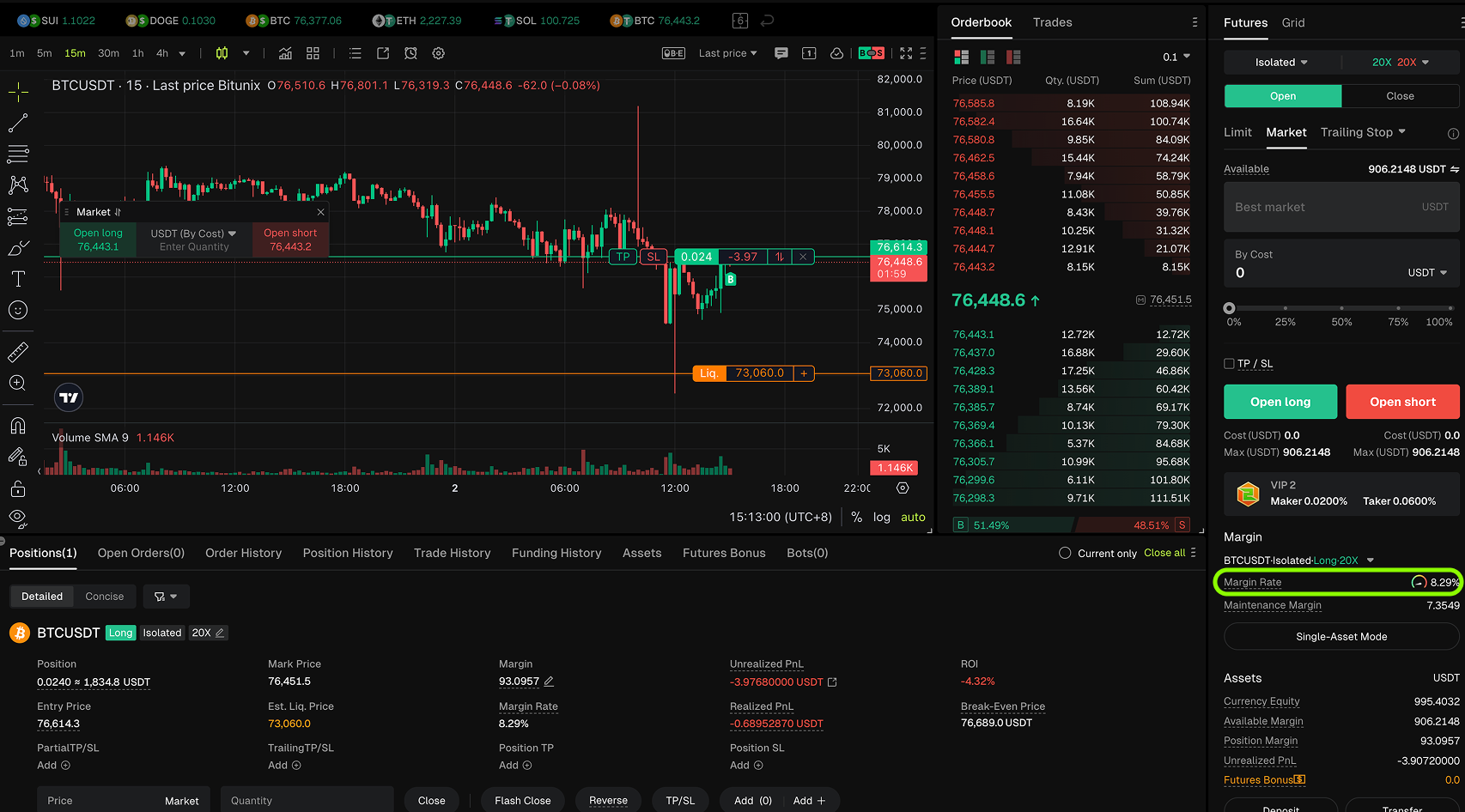
1. The Essence of Liquidation: Margin Ratio Reaching 100%
Regardless of leverage level or trade direction, liquidation is determined by one key metric: the Margin Ratio. When the margin ratio reaches or exceeds 100%, the system triggers forced liquidation. Many traders focus only on unrealized P&L, but the margin ratio is the true indicator of liquidation risk.
2. Understanding Margin Ratio: The Core Calculation Logic
The margin ratio measures whether your position risk has exceeded what your margin can support.
Margin Ratio (Simplified Formula)
Margin Ratio = Maintenance Margin ÷ (Margin + Unrealized P&L)
Maintenance Margin: The minimum margin required to keep the position open
Margin + Unrealized P&L: The actual risk buffer of the position
When the market moves against your position:
Unrealized losses increase
Risk buffer shrinks
Margin ratio rises
Liquidation occurs once it reaches 100%
3. Isolated Margin: The Core Tool for Liquidation Prevention
From a risk-control perspective, isolated margin is more transparent and controllable than cross margin, especially in volatile markets.
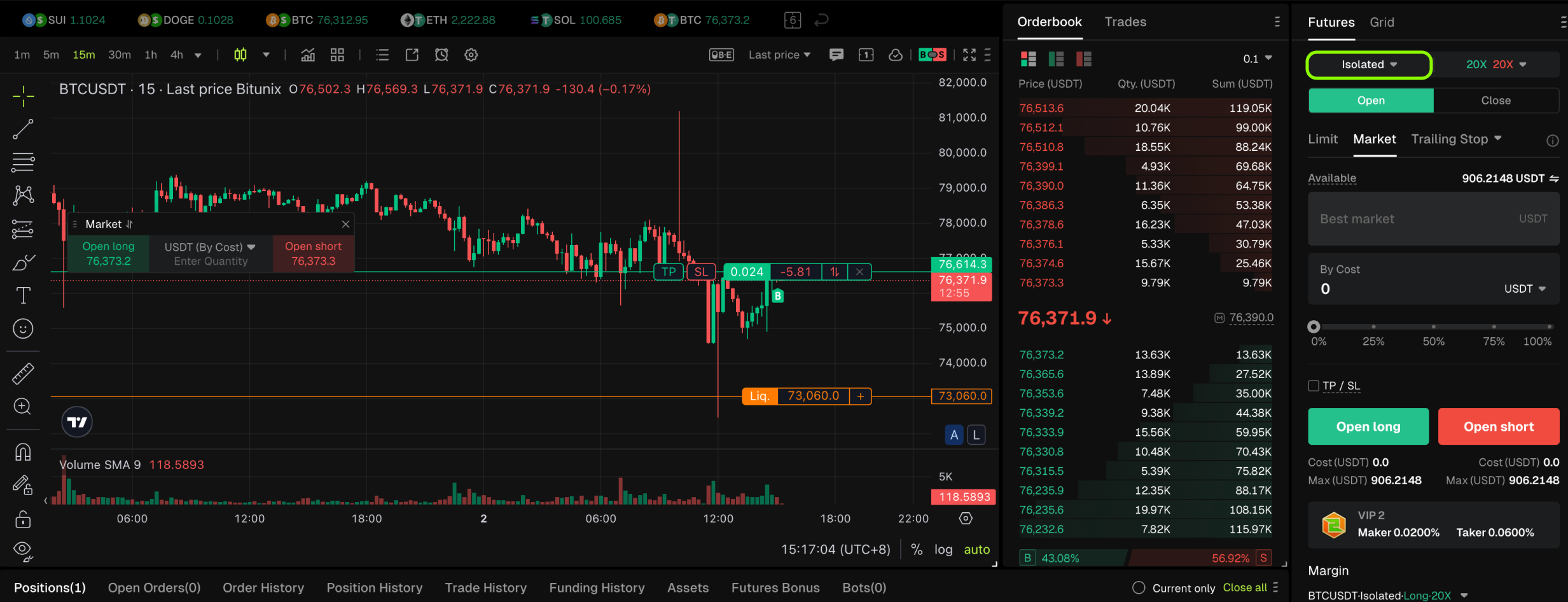
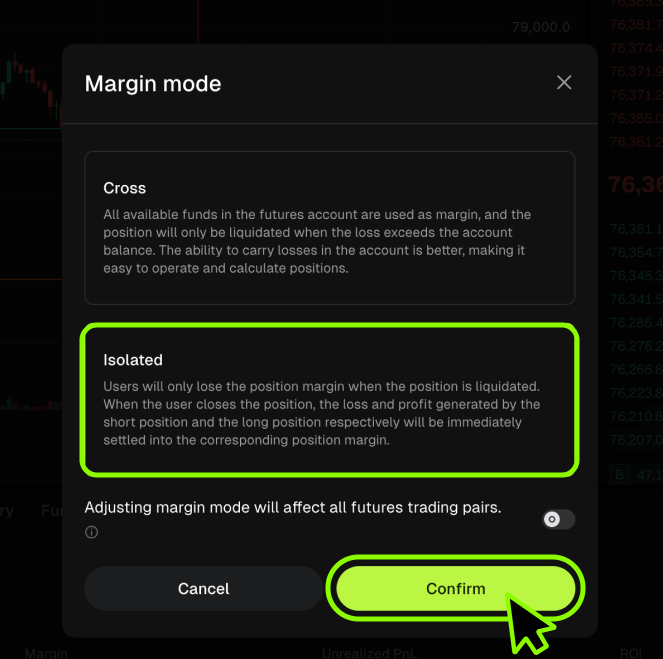
3.1 Key Characteristics of Isolated Margin
Each position has its own independent margin
Liquidation only affects that specific position
Clear risk boundaries, easier to manage
3.2 Margin Ratio Formula in Isolated Margin Mode
Isolated Margin Ratio = Maintenance Margin ÷ (Position Margin + Unrealized P&L)
Liquidation Condition
When the isolated margin ratio reaches 100%, the position will be liquidated.
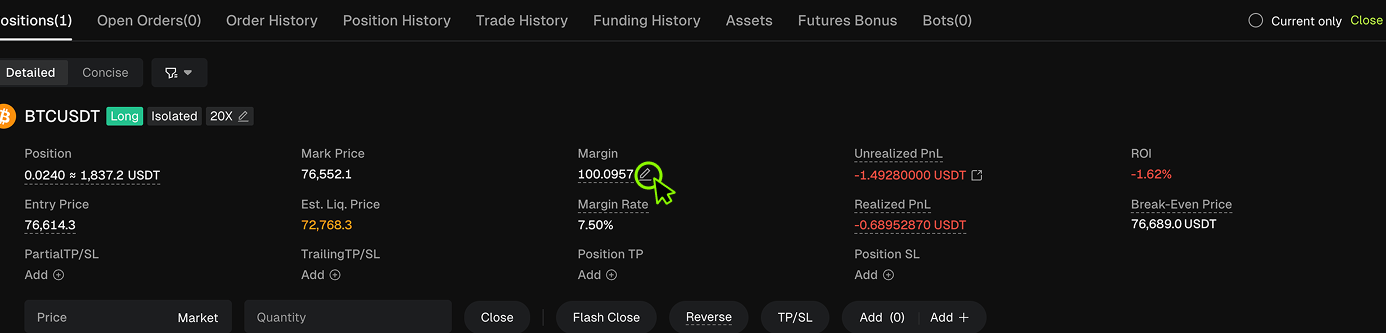
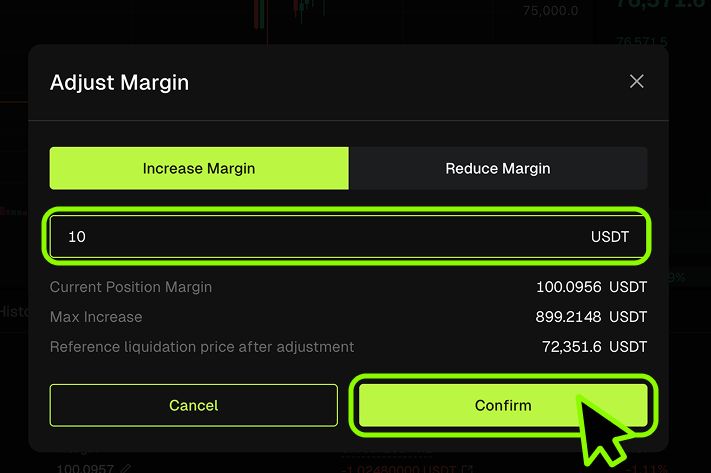
3.3 Key Action to Avoid Liquidation: Add Margin
If you believe the price movement is temporary volatility rather than a trend reversal, you can Add Margin
What Adding Margin Does
Expands your risk buffer
Lowers the margin ratio
Pushes the liquidation price further away
Buys time for potential price recovery
This is the most direct and effective way to prevent liquidation in isolated margin mode.
4. Maintain Sufficient Margin at All Times
Many liquidations are not caused by extreme market moves, but by:
Excessive leverage
Insufficient initial margin
No buffer for volatility
Maintaining sufficient margin is the first line of defense against liquidation.
Practical Tips
Avoid full-margin, high-leverage positions
Always leave room for market fluctuations
Don’t risk all available funds on a single trade
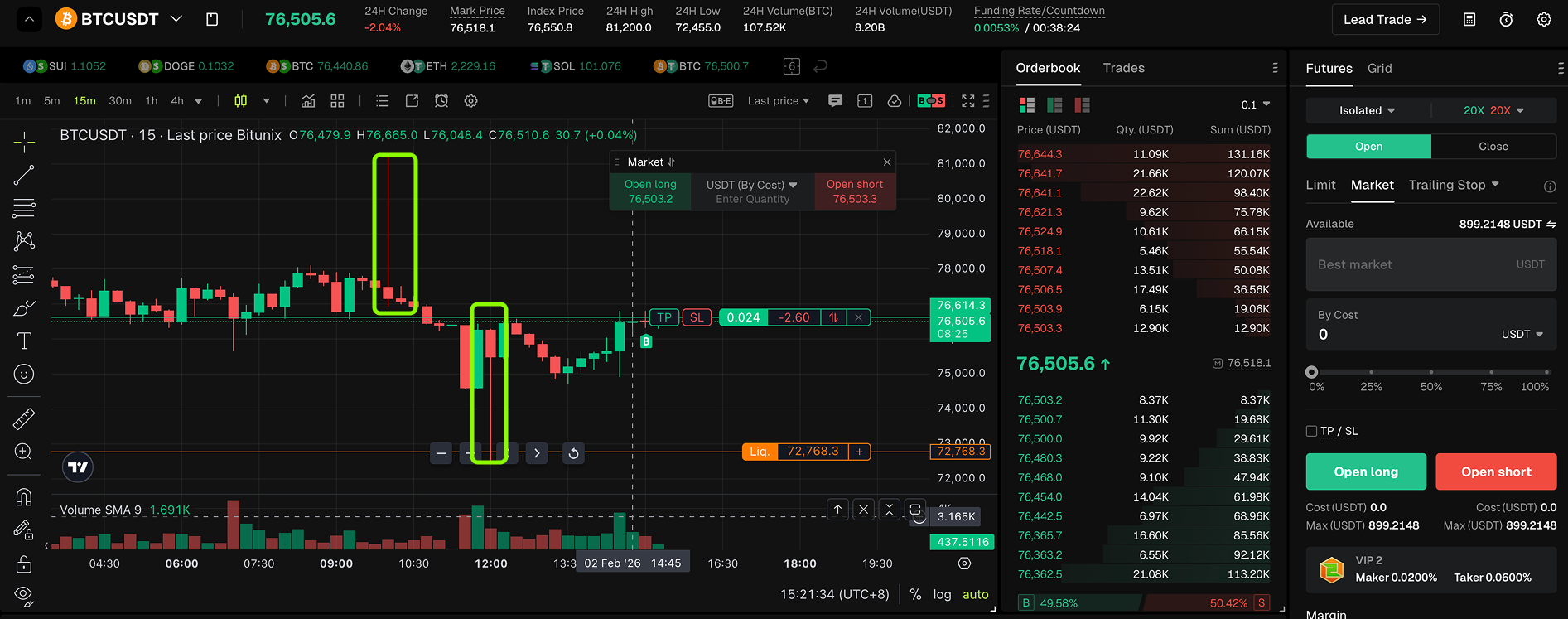
5. High Volatility Markets: Lower Leverage, Use Isolated Margin
During periods of heightened volatility (e.g., major data releases or extreme market conditions):
Price swings become larger
Liquidation prices are easier to reach
High-leverage positions lose tolerance rapidly
Risk Control Recommendations
Reduce leverage
Prioritize isolated margin mode
Decrease single-position size
Higher leverage demands higher precision — something the market rarely provides.
6. Watch Funding Fees: A Hidden Liquidation Risk
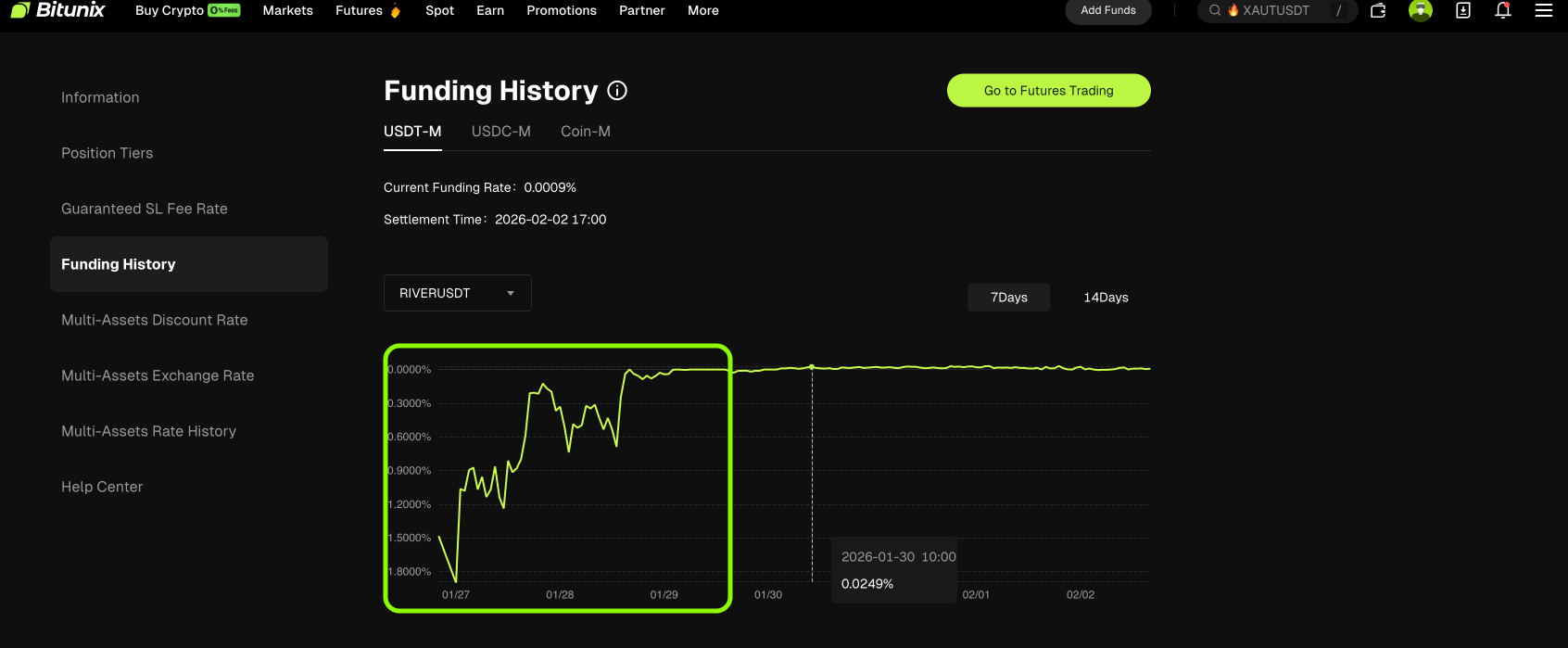
Beyond price movement, funding fees can significantly impact your margin ratio.
Why Funding Fees Increase Liquidation Risk
Funding fees are settled periodically (some contracts settle hourly)
High funding rates continuously reduce margin
During adverse price movements, funding fees accelerate margin depletion
Pay special attention to:
High leverage combined with frequent funding settlements
Long holding periods during elevated funding rates
7. Always Set Stop-Loss Orders
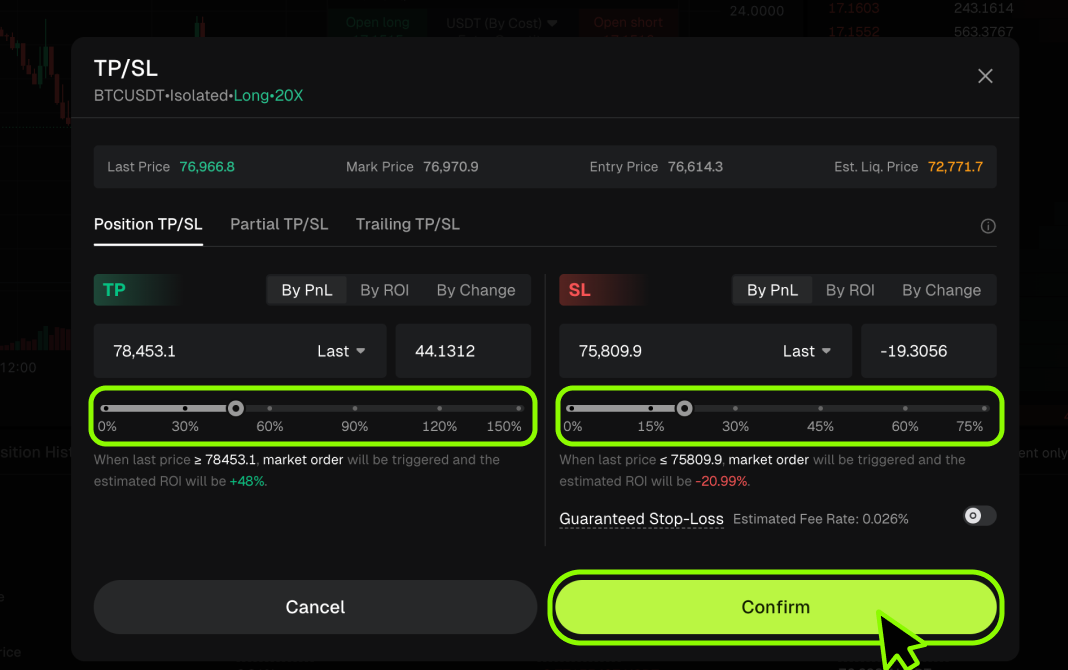
Not setting a stop-loss is effectively handing liquidation control over to the system.
Why Stop-Losses Matter
Liquidations usually occur at the worst possible price
Forced liquidation is uncontrollable and may involve slippage
Stop-losses are proactive risk management, not surrender
Best Practices
Define your maximum acceptable loss before opening a position
Set stop-loss orders instead of “watching the market”
Stop-losses are especially critical in volatile markets
Conclusion
Liquidation is not caused by a single price movement, but by poor risk control over margin, leverage, and volatility. By understanding how margin ratio works, using isolated margin effectively, maintaining sufficient margin, monitoring funding fees, and setting stop-loss orders, traders can turn liquidation from an unpredictable threat into a controllable variable. Successful futures trading is not about avoiding losses entirely, but about staying in the market long enough to let your strategy play out. Control your risk first — profits come second.