Article Summary
- Ethereum fell sharply during the crypto crash 2026, underperforming Bitcoin.
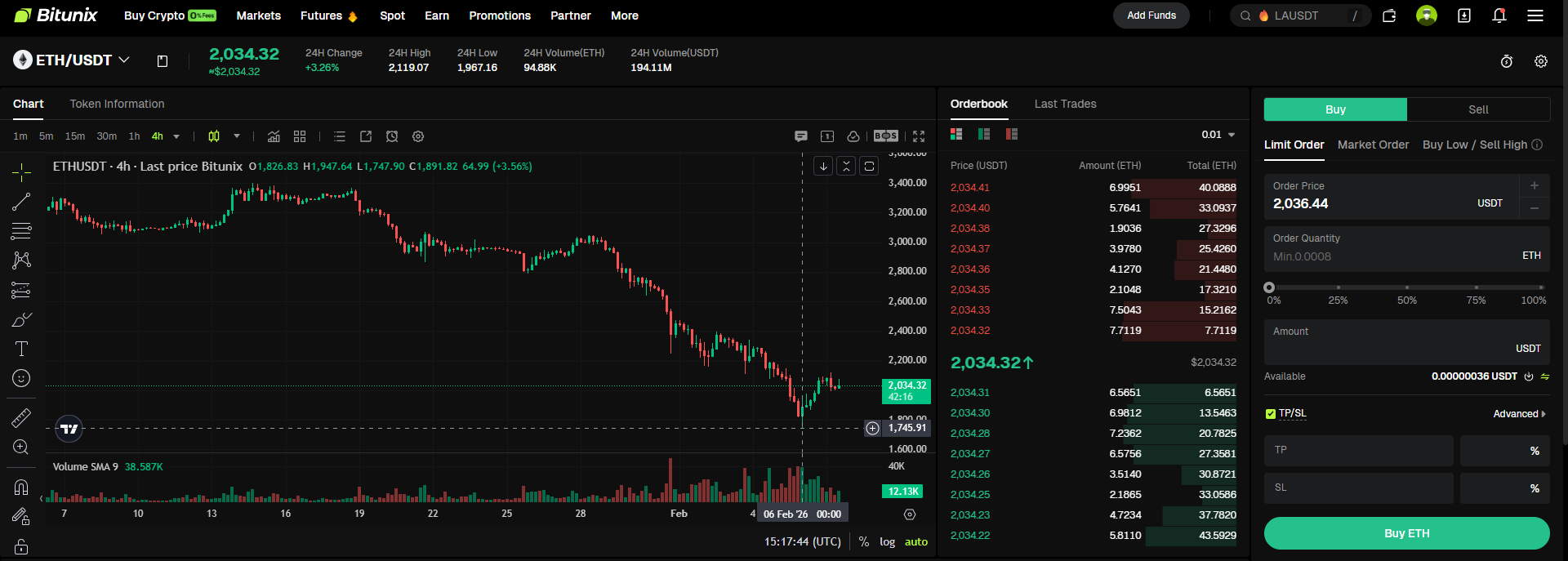
- ETH dropped from above 3,500 to the low 2,000 range at the worst point.
- The crash was driven by leverage, liquidity stress, and risk rotation away from altcoins.
- Forced liquidations and thin order books amplified the downside.
- Ethereum’s network and ecosystem continued operating normally.
What Happened to Ethereum During the 2026 Crypto Crash
 Ethereum did not just follow Bitcoin lower. It fell harder.
During the crypto crash 2026, ETH experienced heavier selling pressure than BTC as traders reduced exposure to higher-risk assets. When markets turn defensive, capital usually exits altcoins first, and Ethereum, despite its size, is still treated as an altcoin by many institutional and derivatives traders.
The result was a faster and deeper drop compared with Bitcoin.
Ethereum did not just follow Bitcoin lower. It fell harder.
During the crypto crash 2026, ETH experienced heavier selling pressure than BTC as traders reduced exposure to higher-risk assets. When markets turn defensive, capital usually exits altcoins first, and Ethereum, despite its size, is still treated as an altcoin by many institutional and derivatives traders.
The result was a faster and deeper drop compared with Bitcoin.
How Much Did Ethereum Drop
Ethereum’s price decline during the crash was significant and rapid. Market data from early February 2026:- ETH was trading above 3,500 earlier in the cycle.
- During the sell-off, Ethereum fell into the 2,000 to 2,400 range.
- The total drawdown exceeded 30 percent from recent highs.
- Several trading sessions saw 15 percent or larger intraday declines.
Why Ethereum Fell More Than Bitcoin
The main reason Ethereum crashed harder than Bitcoin was risk positioning. Bitcoin is widely viewed as the lowest-risk crypto asset. Ethereum, while foundational to the ecosystem, still carries additional risk due to:- Higher beta relative to BTC
- Greater exposure to DeFi leverage
- Heavy derivatives activity tied to ETH futures and options
Leverage and Liquidations Hit ETH Hard
Ethereum derivatives markets were heavily leveraged leading into the crash. As ETH price began to fall:- Margin thresholds were breached rapidly.
- Forced liquidations increased across perpetual and futures markets.
- Automatic sell orders flooded thin order books.
Liquidity Stress Exposed Ethereum’s Weak Point
Ethereum normally trades with strong liquidity, but during the crash that liquidity evaporated quickly. As volatility spiked:- Market makers widened spreads.
- Depth on the bid side collapsed.
- Smaller sell orders caused disproportionate price moves.
Fear Spread Faster in the Ethereum Market
Sentiment around Ethereum deteriorated faster than Bitcoin. Concerns about DeFi exposure, liquidation risk, and broader altcoin weakness fed into market fear. As ETH dropped, traders rushed to reduce exposure, often selling at market rather than waiting for price stabilization. Discussions around exchange stability and withdrawal access also contributed to anxiety, even when those issues were temporary or unrelated to Ethereum itself.What Did Not Cause the ETH Crash
Ethereum’s crash was not caused by a technical failure.- The Ethereum network did not go offline.
- Smart contracts continued operating.
- Validators and block production remained stable.
- There was no protocol-level security breach.