
Trading
Learn about the basics of how to buy, sell, and trade cryptocurrencies, Tradfi CFD and more.
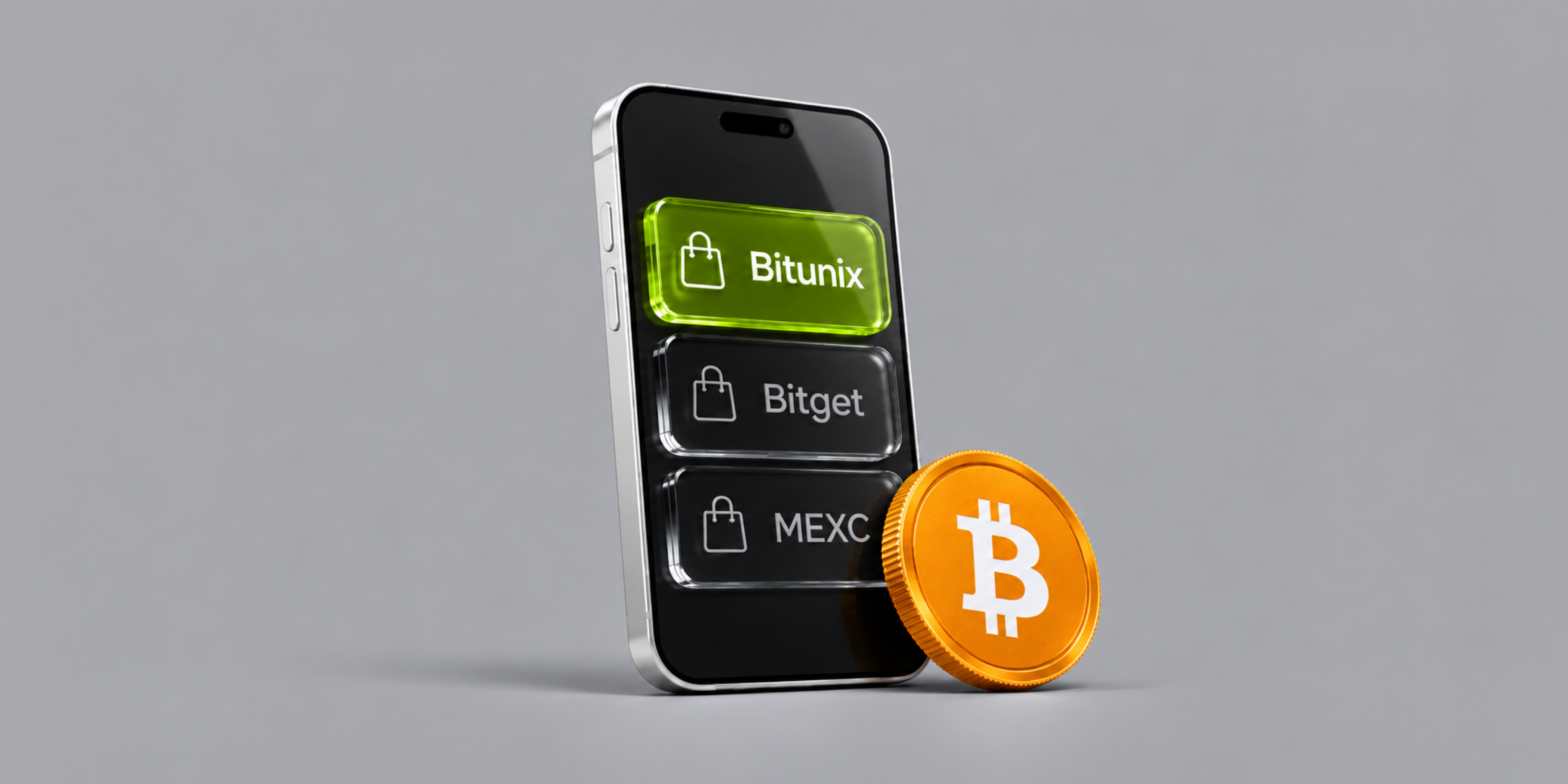
Best Crypto Apps to Buy Crypto in 2026: Bitunix vs. Bitget vs. MEXC
Compare the best crypto apps to buy and trade crypto in 2026, including Bitunix, Bitget, and MEXC. Explore fees, security, features, mobile experience, and which app may suit different types of users.
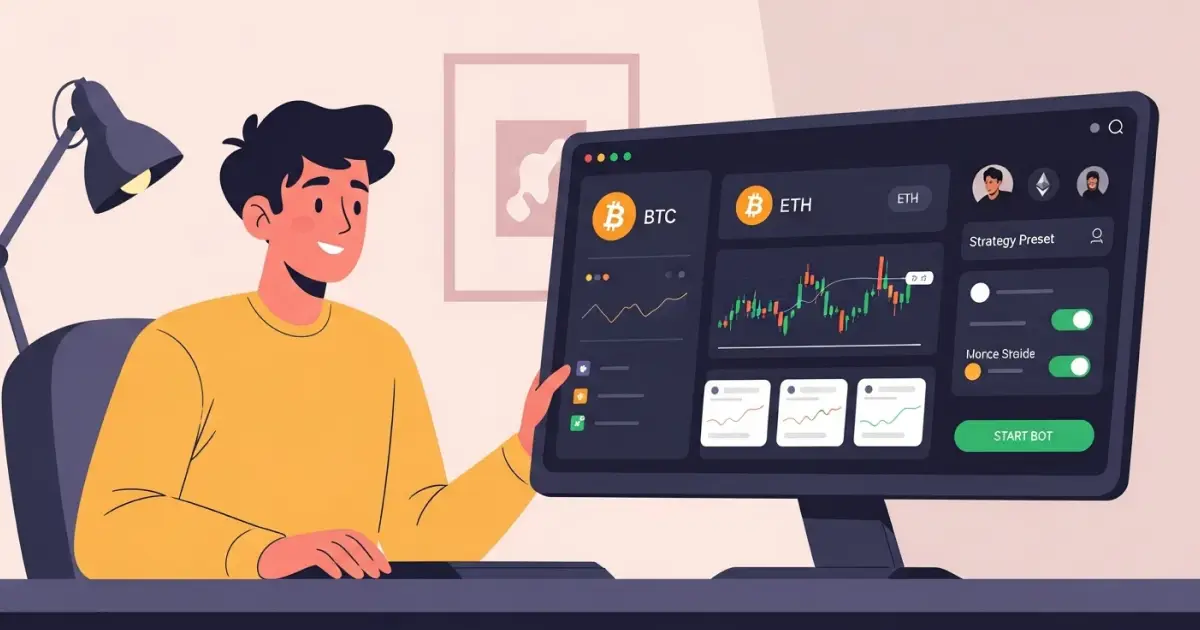
Trading Bots Guide for Beginners: Quick Start, Real Risks
Explore how beginners can start using trading bots in crypto. Learn about risks, setup tips, and the best crypto trading bot apps in 2026.

Best Platforms to Buy Crypto in 2026: Bitunix vs BloFin vs Phemex
Compare Bitunix, BloFin, and Phemex for web-based crypto purchases, including payment methods, fees, regional availability, and post-purchase trading options.

P2P Trading Guide: How to Buy and Sell Crypto
A practical guide to P2P crypto trading, covering how P2P works, how to evaluate offers, how to buy and sell crypto on Bitunix, common scams, payment verification, disputes, and key safety checks.

Exponential Moving Average (EMA) in Crypto: Formula, Crossovers & Strategies
The exponential moving average is crypto's most-used trend indicator, and most traders run it without knowing why alpha is 2/(n+1). This guide breaks down the EMA formula step by step, compares SMA vs EMA honestly, and shows how 20/50 and 50/200 crossovers actually behave in practice.

Nominal Value: 101 Guide - Overview & Examples
In this article, we will cover how the nominal value in crypto futures contracts can help you compare the underlying value of a token against its trading price.

Long Position in Crypto: Definition and Example
In this article, we will take you through the mechanism of opening a long position. What it means and how you can enter a long position in crypto perp trading.

Proof of Work vs Proof of Stake: What's the Difference?
Two of the most popular consensus mechanisms employed today are Proof of Work (PoW) and Proof of Stake (PoS). Proof of Work vs Proof of Stake.

The Beginner’s Guide to Margin Interest Rates in Crypto
One of the strategies in margin trading is allowing traders to borrow funds to increase their trading positions is referred to as margin interest rates.

Understanding Crypto Funding Rates: How Perpetual Futures Funding Works, Calculation, and Trading Impact
Crypto funding rates are periodic payments exchanged between long and short traders in perpetual futures contracts. This mechanism helps keep perpetual contract prices aligned with spot markets since these contracts have no expiration date. This guide explains how funding rates work, how funding fees are calculated, what positive and negative funding rates mean, and how traders can manage funding costs and liquidation risks when trading crypto futures.

What Is Maintenance Margin in Crypto Futures? MMR Calculation Explained
In this article, we will explain what maintenance margin is and how it plays a critical role in managing risks in crypto futures trading.

Best Crypto Demo Trading Apps for Beginners (2026 Review)
Virtual balance size is the least useful metric for demo trading. We evaluate Bitunix, TradingView, Webull, Binance, and eToro on real market accuracy—live fees, funding rates, liquidation mechanics, and UI transferability — with a side-by-side comparison matrix (Sep 2026).