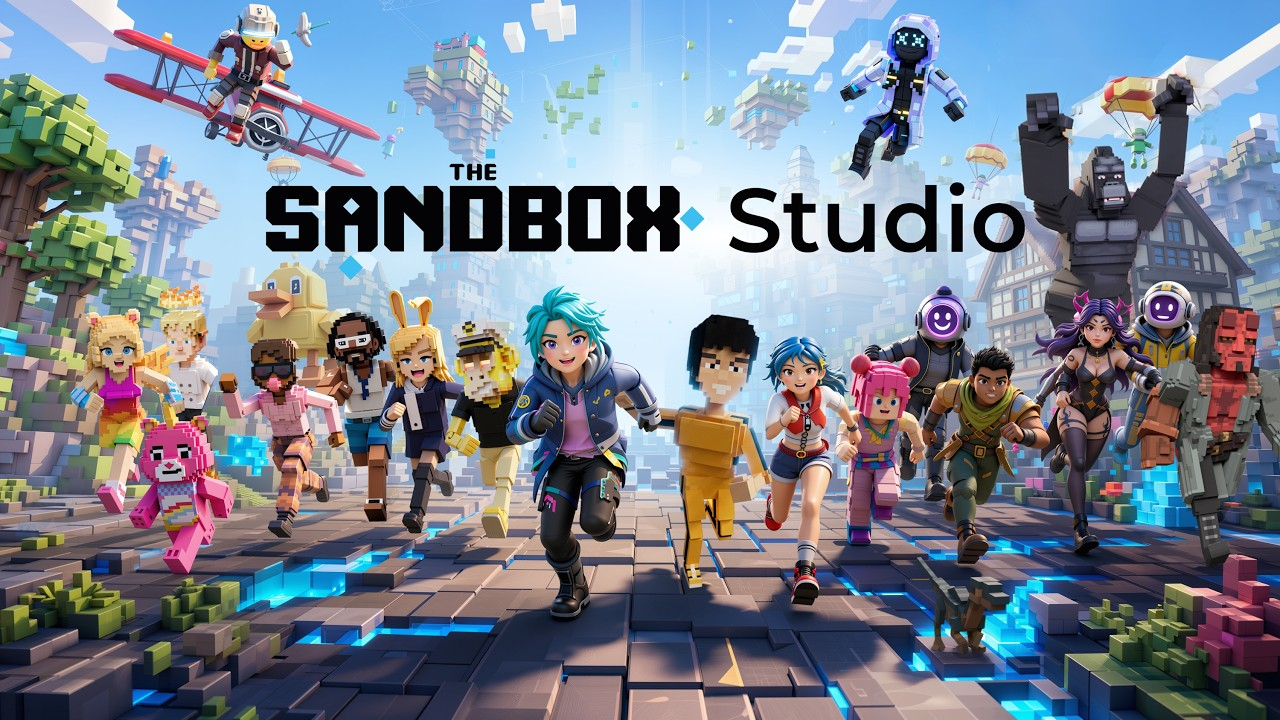
The Sandbox is one of the most recognizable names from the first wave of blockchain gaming and metaverse projects. Built around user-generated content, NFTs, virtual LAND, and the SAND token, the project aims to give players and creators greater ownership of digital assets and gaming experiences.
However, The Sandbox today looks very different from its peak during the 2021 metaverse boom. The project has undergone a major restructuring, including a substantial reduction in its workforce, while player activity has fallen sharply from the levels seen during its earlier growth phase. Animoca Brands reported that The Sandbox reduced its headcount from 240 to 92 during FY2025, a reduction of approximately 62%. Third-party activity trackers have also pointed to very low levels of daily activity, although on-chain wallet activity does not capture every player who logs into or plays The Sandbox.
This makes SAND an interesting case within the Web3 gaming sector. Its future depends not only on another revival of the metaverse narrative, but also on whether The Sandbox can turn its large brand and creator ecosystem into sustained user activity and transaction demand.
Data Source: The Sandbox
What Is SAND? Understanding The Sandbox Token
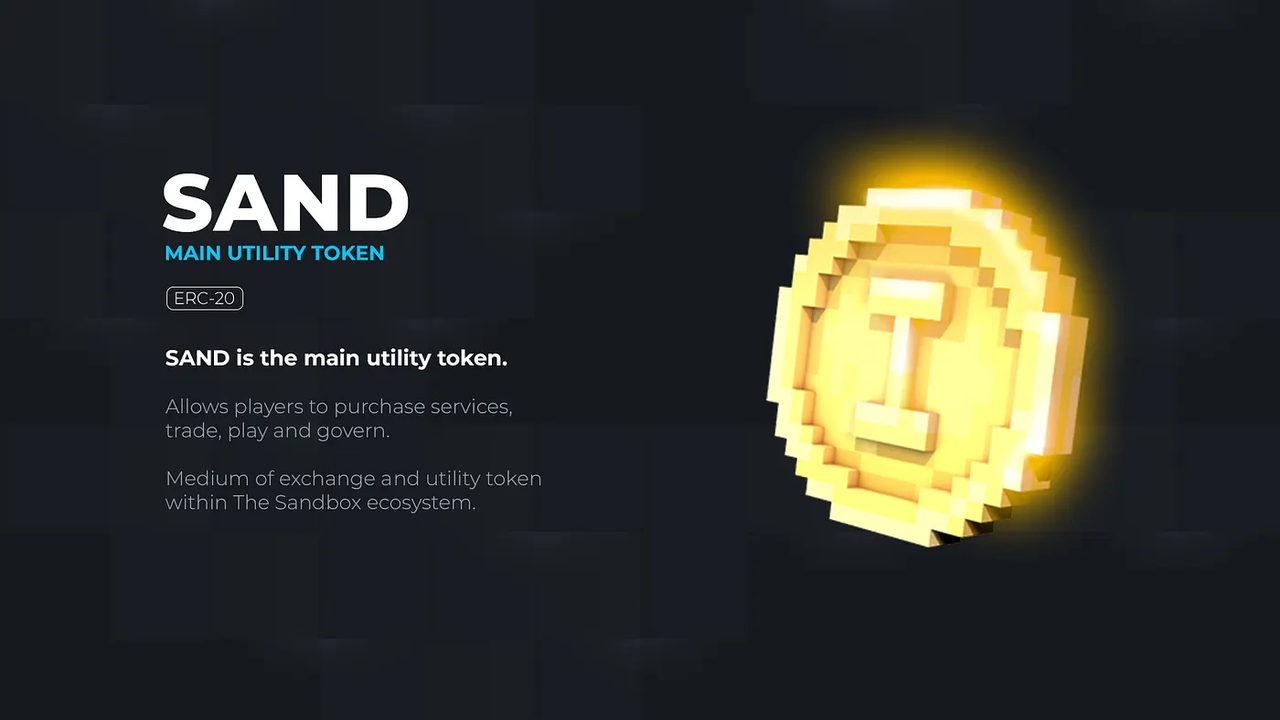
SAND is the native ERC-20 utility token of The Sandbox, a blockchain-based virtual world and user-generated gaming platform. The token is used across the ecosystem for transactions, digital assets, LAND, experiences, staking, and governance.
The Sandbox is designed around a creator's economy rather than a traditional game model. Instead of simply consuming content created by a centralized game developer, users can create digital assets, build interactive experiences, own virtual LAND, and monetize their creations.
SAND serves as the medium of exchange within this ecosystem. Players can use it to purchase assets and certain experiences, while creators can receive SAND when selling digital assets or monetizing their experiences. SAND can also be used for staking and participation in The Sandbox's governance ecosystem.
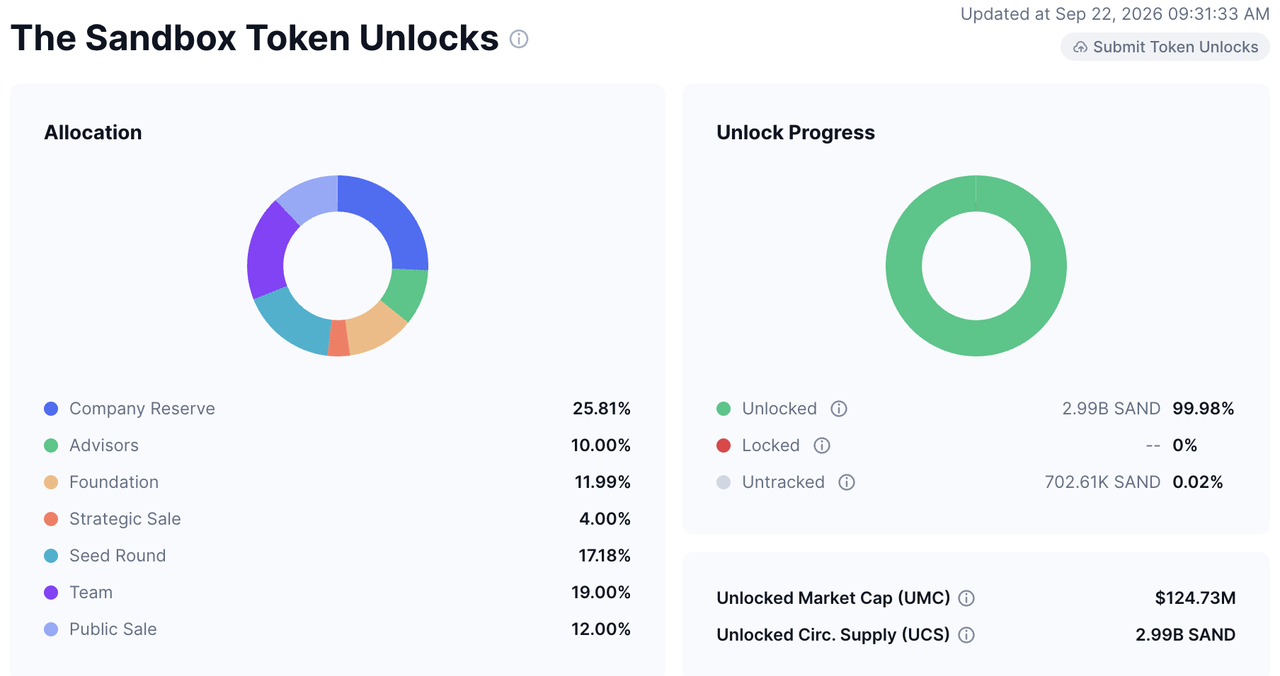
The token has a maximum supply of 3 billion SAND. According to a 2026 token transparency filing, almost the entire supply is already circulating, meaning future token unlocks are no longer the primary supply-side issue for SAND. Instead, demand from players, creators, collectors, and investors is more important to the token's long-term economics.
Data Source: Medium
How Does The Sandbox Work?
The Sandbox combines several components to create a blockchain-based gaming ecosystem. Its main building blocks include VoxEdit, the Marketplace, Game Maker, and LAND. VoxEdit allows users to create voxel-based digital assets. These assets can be turned into NFTs and used within The Sandbox ecosystem. Game Maker provides tools for building interactive 3D experiences without requiring traditional programming skills, while LAND represents virtual real estate where users can publish games and experiences. This structure is intended to create a circular economy: creators produce assets and experiences, players interact with them, and SAND facilitates transactions between different participants.
Creating and Trading NFT Assets
NFT assets are an important part of The Sandbox's creator economy. Users can create voxel-based characters, objects, equipment, and other digital items through VoxEdit. These assets can then be published as NFTs and traded through The Sandbox Marketplace.
Creators can also use assets created by other users when building their own experiences. This creates a marketplace where artists, game designers, and players can participate in different parts of the ecosystem.
SAND functions as a medium of exchange for these transactions. The Sandbox documentation states that creators can sell assets on the Marketplace using SAND, while players can use SAND to purchase NFTs and other forms of digital content.
The model is therefore broader than simply selling NFTs. The Sandbox has attempted to connect NFT ownership with actual utility inside games and experiences.
Buying and Monetizing LAND
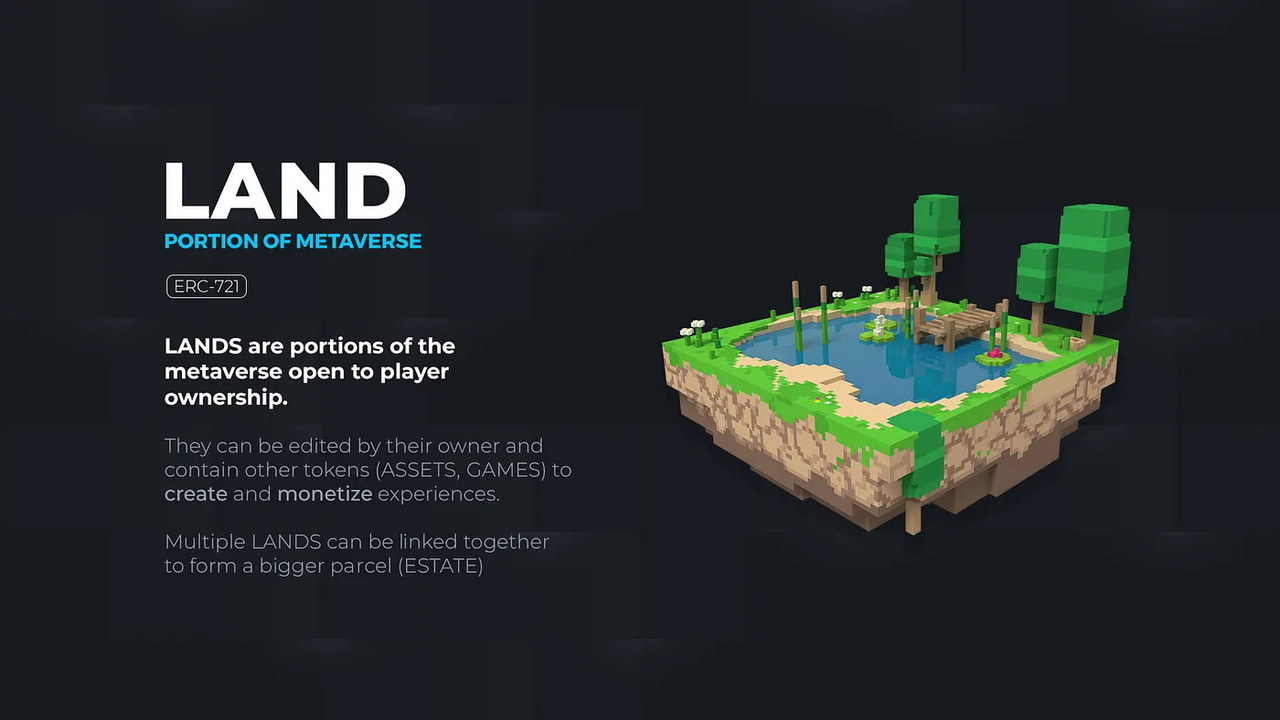
LAND is another core component of The Sandbox. Each LAND is a digital parcel in The Sandbox's virtual world. Owners can use LAND to host experiences, games, events, and digital assets. Multiple LAND parcels can also be combined into larger ESTATEs.
The Sandbox's original map contains 166,464 LAND parcels, creating a finite supply of virtual real estate. LAND owners can potentially monetize their holdings by building experiences, renting LAND, hosting events, or using their property as part of a larger gaming project.
The concept became particularly popular during the 2021 metaverse boom, when investors and major brands purchased virtual land as a speculative digital real-estate asset. The challenge today is that LAND value ultimately depends on demand for the experiences hosted on it. If fewer players visit The Sandbox, the economic value of owning and developing LAND can also come under pressure.
Data Source: Medium
What Could Drive SAND Price?
SAND's price is closely tied to both the broader crypto market and the health of The Sandbox ecosystem. Unlike a purely financial token, SAND has an underlying gaming and creator-economy narrative, meaning changes in user activity, content production, partnerships, and token demand can all influence market sentiment.
A Revival of Web3 Gaming and Metaverse Narratives
The broader Web3 gaming and metaverse sectors remain an important potential catalyst for SAND. During periods when investors regain interest in blockchain-based games, virtual worlds, NFTs, and user-generated content, established projects such as The Sandbox could attract renewed attention from both crypto investors and game developers.
However, a sector-wide narrative revival alone may not be enough to support a sustainable recovery in SAND. The Sandbox has undergone significant restructuring, including a substantial reduction in its workforce, while third-party activity trackers have pointed to relatively low levels of player activity. These figures should be interpreted carefully because wallet activity does not capture every player who accesses the platform.
For SAND, the more important question is whether The Sandbox can convert renewed interest in Web3 gaming into actual usage. Growth in active players, gameplay hours, creator participation, NFT transactions, and demand for LAND would provide stronger evidence of an improving ecosystem than a short-lived speculative rally in gaming tokens.
New Partnerships and Ecosystem Development
Partnerships remain another potential catalyst for The Sandbox.
The project has built relationships with major entertainment, gaming, sports, and consumer brands. During 2024, The Sandbox reported more than 800 brands in its broader ecosystem, while Alpha Season 4 attracted more than 580,000 unique players and generated 1.4 million hours of gameplay according to the project's own figures.
The project has continued to develop its gaming ecosystem rather than relying exclusively on the original metaverse model. In 2026, Season 7 introduced browser-based access for selected experiences, allowing users to play without downloading the game client or creating an account before starting. The Sandbox has also continued working with brands including Atari, Bruce Lee, Terminator, Black Mirror, Steve Aoki, and King Kong of Skull Island.
If these partnerships translate into sustained player traffic rather than short-term promotional campaigns, they could increase demand for SAND and other ecosystem assets. The key variable is therefore not simply the number of partnerships, but whether those partnerships produce recurring users, creators, and transactions.
SAND Tokenomics
SAND has a maximum supply of 3 billion tokens. Unlike some newer crypto projects with substantial future unlock schedules, SAND's vesting schedule is largely complete.
A 2026 token transparency filing reported approximately 2.99 billion SAND in circulation out of the 3 billion maximum supply as of July 2026. This means more than 97% of the maximum supply was already circulating, leaving relatively little room for future dilution from scheduled unlocks.
SAND has several functions within The Sandbox ecosystem:
Medium of exchange: SAND is used for transactions involving LAND, NFTs, assets, and certain experiences.
Creator economy: Creators can receive SAND from selling assets and monetizing experiences.
Staking: SAND can be used in staking programs associated with the ecosystem.
Governance: SAND holders have historically participated in governance through The Sandbox DAO.
Gaming rewards: Certain events, contests, and experiences can distribute SAND rewards.
The near-complete circulating supply changes the way investors should look at SAND tokenomics. Future price performance depends less on an upcoming unlock cycle and more on whether the ecosystem can generate enough demand to support the token.
Data Source: Coinmarketcap
SAND Price History
SAND's price history is closely connected to the rise and decline of the metaverse narrative.
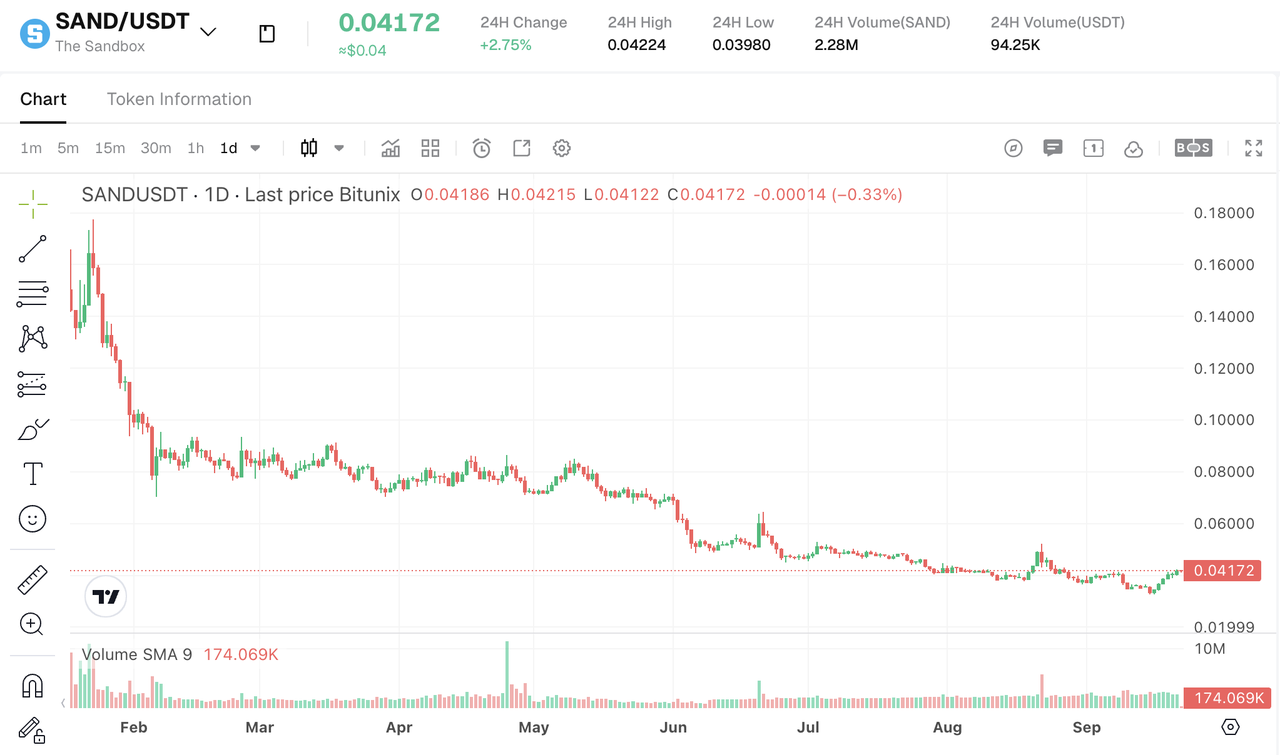
The token traded at only a few cents during its early years before entering a major rally in 2021. As interest in NFTs, blockchain gaming, and virtual worlds accelerated, SAND became one of the most actively traded metaverse tokens.
SAND reached an all-time high of approximately $8.40 in November 2021.
The subsequent crypto bear market severely affected metaverse and gaming tokens. SAND declined alongside the broader sector as speculative demand weakened and investors shifted their attention toward other crypto narratives.
The decline also highlights the difference between SAND's historical valuation and the current state of The Sandbox ecosystem. At its peak, the token's valuation reflected expectations for rapid growth in virtual worlds and blockchain gaming. Today, the market is increasingly focused on whether The Sandbox can rebuild sustainable user activity and transaction demand.
For this reason, SAND's previous all-time high should not be treated as a valuation target. Its price history is better understood as a reflection of how dramatically market narratives can influence Web3 gaming tokens.
Data Source: Bitunix
How to Buy SAND
Users looking to trade SAND can currently access the token through centralized exchanges that support SAND or decentralized trading platforms compatible with The Sandbox ecosystem. For users familiar with on-chain trading, a compatible crypto wallet can be connected to a relevant decentralized exchange (DEX) to trade SAND. Those who prefer a simpler trading interface may instead choose a centralized exchange that supports SAND. As The Sandbox continues to develop its gaming and creator ecosystem, SAND can be traded across both centralized and decentralized markets.
Buying SAND through centralized cryptocurrency exchanges such as Bitunix allows users to trade through a centralized intermediary and, depending on the platform, use fiat currencies or stablecoins such as USDT to purchase crypto assets. Some platforms may also support instant purchases by credit card, lowering the barrier to entry for new users. Before trading, users generally need to register an account and complete identity verification (KYC) to comply with applicable Anti-Money Laundering (AML) and Counter-Terrorist Financing requirements. Bitunix provides compliance and risk-control measures, including hot and cold wallet separation, multi-signature mechanisms, and real-time monitoring, to help protect user assets.