Bitcoin remains the bedrock of digital asset allocations, but the broader altcoin market offers expansive opportunities to gain exposure to decentralized innovation and category growth. In 2026, institutional and retail capital rotates beyond BTC for a few core reasons: ecosystem expansion across scalable Layer-1 networks, modular Layer-2 scaling solutions, a maturing DeFi stack, and utility tokens capturing real-world asset (RWA) tokenization or decentralized artificial intelligence infrastructure. The prevailing market reality is that while Bitcoin preserves value as a macroeconomic hedge, altcoins compete primarily on technological architecture, network effects, and how quickly development teams ship useful features—creating significant room for outsized returns when managed correctly.
Diversifying your crypto holdings this year is no longer a retail fad; it is a structured approach to risk management and upside ambition. Legitimate projects now feature transparent public roadmaps, verifiable on-chain metrics, and tokenomics designed to align long-term incentives. Concurrently, heightened intraday volatility, smart contract vulnerabilities, and uneven liquidity pools demand a highly methodical execution strategy. This guide walks you end-to-end through how to research project fundamentals, assess structural tokenomics, and execute spot trades safely on a trusted ecosystem like Bitunix. By the end, you will possess practical, data-driven criteria to isolate high-conviction opportunities and trade with discipline—from your first deposit to order execution. If you are wondering how to buy altcoins safely in 2026, you are in the right place.
What Are Altcoins?
Technically, an altcoin is any digital asset or cryptographic token built outside of the native Bitcoin core network architecture. While the definition is simple, the modern multi-trillion-dollar digital asset landscape is highly segmented into distinct functional categories based on underlying utility:
Layer 1s (L1): Foundational blockchains that compete on speed, costs, and decentralized consensus mechanisms, such as Ethereum (ETH) and Solana (SOL).
Meme Coins: Speculative assets driven primarily by cultural narratives and community attention vectors, such as Dogecoin (DOGE).
DeFi Infrastructure: Utility tokens that power decentralized finance protocols, including automated market makers, non-custodial lending pools, and oracles, such as UNI (Uniswap), AAVE (Aave), and LINK (Chainlink).
GameFi & DePIN: Assets tied to decentralized gaming network layers and hardware-driven physical networks, for example, GALA (Gala Games), RON (Ronin), Solana-ecosystem DePIN plays like HNT, or decentralized AI-compute networks.
Allocating capital to altcoins introduces distinct trade-offs, including amplified volatility, technical execution risks, and project roadmap uncertainties. However, they also offer significant beta exposure when a protocol successfully marries verifiable transaction traction with sustainable economic incentives. The key to success is thoroughly evaluating a project's utility, supply dynamics, and organic adoption before entering a position.
Step 1: How to Research Altcoins Before You Buy
A rigorous fundamental evaluation always starts with the whitepaper. Analyze it with a strict focus on technology (consensus engines, execution environments, and external smart contract audits), product-market fit (identifying the specific problem solved and the project's competitive edge), and tokenomics (verifying emissions, maximum supply caps, and early investor unlock schedules). If a project lacks absolute transparency across these three structural layers, treat it as an immediate warning sign.
Next, vet the development team via open-source platforms like GitHub and professional networks like LinkedIn. Track their delivery history, past protocol contributions, and engineering milestones, as founders with a consistent shipping cadence significantly reduce project execution risk. Furthermore, monitor active ecosystem engagement: audit the consistency of code commits, ongoing discussions in developer portals, and localized ecosystem grants. On social platforms like X, separate algorithmic noise from verifiable traction by looking past raw follower counts to evaluate genuine developer and user engagement.
Applying the Fundamental Checklist to a Live Project (GhostwareOS):
Whitepaper & Technology: GhostwareOS ($GHOST) features a technical blueprint outlining its architecture as an encryption layer within the high-throughput Solana network. The documentation specifies how the SPL-standard asset functions within shielded liquidity mechanisms to enable low-latency, private peer-to-peer transfers.
Use Case & Differentiators: The protocol addresses default ledger transparency by attempting to implement zero-knowledge privacy parameters inside the Solana ecosystem without introducing massive processing bottlenecks.
Team & Track Record: The active presence of established engineering contributors within the broader Solana development pipeline helps mitigate early-stage protocol delivery risks.
Organic Activity & Community: Verifiable open-source commit cadences and active developer grants point to organic ecosystem stickiness rather than short-term speculative hype.
When assessing capitalization metrics, value projects based on their current lifecycle stage. Always contrast a project's circulating market cap against its Fully Diluted Valuation (FDV) using the standard reference formula: FDV = Current Market Price × Maximum Token Supply. Prioritize predictable emission curves over aggressive near-term vesting schedules to avoid potential supply dilution. Within the Bitunix ecosystem, traders can leverage specialized project summaries, real-time market overviews, and dedicated spot pair pages (such as BTC/USDT, ETH/USDT, and SOL/USDT) to monitor order book depth and historical volume patterns. These institutional-grade resources are essential for filtering out narrative noise and learning how to buy altcoins responsibly.
Advanced 2026 Research Tip: Automating Trend Detection
Because altcoins trade 24/7 across highly fragmented global venues, manual tracking frequently misses critical macro breakout points. To optimize your research workflow, disciplined traders deploy the Bitunix Super Alert system. This advanced, multi-conditioned market monitoring engine allows you to link up to 5 distinct technical parameters simultaneously—such as combining specific candlestick patterns with real-time RSI and MACD parameters—while locking custom drawing tools onto key support or resistance levels. This ensures that whether you are executing manual setups or running automated quant webhooks, you receive instant notifications the exact second an altcoin breaks out of its accumulation range.
Step 2: Choosing a Secure and Reliable Crypto Exchange
Before committing capital to an execution venue, a trader must thoroughly audit the platform's underlying infrastructure. Essential safety signals include a transparently published Proof of Reserves (PoR) demonstrating 1:1 asset backing, robust cold-storage custody, strict multi-factor authentication (2FA), and an autonomous user Protection Fund. Beyond security, verify operational efficiency metrics such as competitive maker/taker fee schedules and transparent withdrawal paths.
For optimal portfolio construction, look for broad asset coverage that spans emerging altcoin pairs across both spot and derivatives markets. The trading experience should be smooth and reliable, anchored by a stable mobile app and an intuitive interface like Bitunix's One Chart, which integrates orders, open positions, Stop-Loss (SL), Take-Profit (TP), and real-time risk metrics into a single screen.

To further support high-frequency and advanced execution, Bitunix also features its next-generation Ultra Chart interface. Operating alongside standard charting views, this professional upgrade brings pro-grade visual scaling, dynamic order dragging, and multi-timeframe grid alignment into a unified chart trading environment. Lastly, ensure the platform provides around-the-clock security via 24/7 customer support channels and a comprehensive help center.
Why Bitunix Is Well-Suited for Altcoins
Bitunix provides access to hundreds of highly liquid spot and derivatives markets, encompassing everything from foundational Layer-1 networks to specialized DeFi and GameFi protocols on a single crypto exchange. To reinforce absolute user trust, Bitunix maintains a real-time Proof of Reserves framework alongside a dedicated Protection Fund. Its competitive fee tiers for both spot and crypto futures trading make it highly efficient for executing dollar-cost averaging (DCA) and asset rotation strategies.
Onboarding is remarkably straightforward, featuring quick account setup and an intuitive KYC process for fiat gateways. The streamlined layout, paired with the professional Ultra Chart terminal, serves both retail participants and advanced market operators with equal efficiency. With hundreds of high-utility altcoins readily available, Bitunix functions as a highly secure gateway to the broader digital asset markets. Turn your research into precise execution by opening your account today to experience unmatched institutional safety and efficiency.
Step 3: How to Buy Altcoins on Bitunix (Step-by-Step)
Thanks to a highly intuitive interface, purchasing your first altcoins on Bitunix is a streamlined process.

Create and Verify Your Bitunix Account
Navigate to the official website or download the mobile app, click Sign Up, and input a secure email or phone number. Construct a high-entropy password and immediately enable app-based two-factor authentication (2FA) for account isolation. Complete the user-friendly identity verification process to unlock full access to local fiat-to-crypto payment networks.
Fund Your Wallet
You can fund your account through two secure operational pathways:
Fiat On-Ramp: Select your preferred regional fiat gateway to purchase stablecoins (such as USDT) in real time. Depending on your location, you can buy crypto with a debit card or credit card to instantly convert local fiat currencies into stable collateral.
Crypto Deposit: If you hold digital assets externally, navigate to your deposit dashboard, generate the correct network deposit address (e.g., TRC-20, ERC-20, or Solana), and transfer capital directly into your Spot Wallet.
Select Your Trading Pair
Navigate to the Markets tab or utilize the interactive search console to input your desired ticker symbol (e.g., SOL, ARB, AVAX). Open the corresponding trading pair page, such as SOL/USDT, and carefully evaluate the live order book depth, depth charts, and transaction fee parameters. To track specific setups, save your primary targets to your favorites list.
Execute the Trade Order
Market Order: Select this option for instant execution at the optimal prevailing market spot price. This is ideal for secure, immediate entries on highly liquid trading pairs.
Limit Order: Specify an exact, preferred price entry point. Your order will sit within the public ledger book and will execute only when the prevailing market price matches your precise target.
Pro Tip: Scaling Into Altcoin Derivatives Safely
For traders transitioning from spot markets to advanced altcoin derivatives, manual position sizing under volatile conditions can introduce severe operational risks. To enforce rigid portfolio protection, Bitunix deployed its market-first Fixed Risk order module. Standing as an industry milestone, this loss-based positioning tool eliminates manual computation errors entirely. Instead of guessing contract sizes under stress, you simply enter your exact maximum dollar-risk tolerance directly into the order panel. The system automatically calculates your mathematically precise position sizing relative to your stop-loss boundaries via the Ultra Chart layout before your order ever hits the book.
Secure Your Altcoins
Once your order executes, the assets settle instantly into your Spot Wallet. Determine if your near-term thesis involves keeping them on-platform for automated trading strategies, derivatives collateral, or flexible staking, or if your long-term plan dictates initiating a secure withdrawal to an offline cold-storage hardware wallet.
Popular Altcoins to Watch in 2026 (Examples)

The crypto market is vast, and there are many paths to explore. Some segments are in focus in 2026 and deserve attention:
Layer-1 Giants: Ethereum (ETH), Solana (SOL), and Avalanche (AVAX) offer high throughput and strong developer bases. They are daily liquidity benchmarks and often the first exposures beyond BTC.
Promising Layer-2s: Arbitrum (ARB) and Polygon (POL, formerly MATIC) focus on scalability, lower fees, and integration with popular dApps. They help you monitor where activity flows.
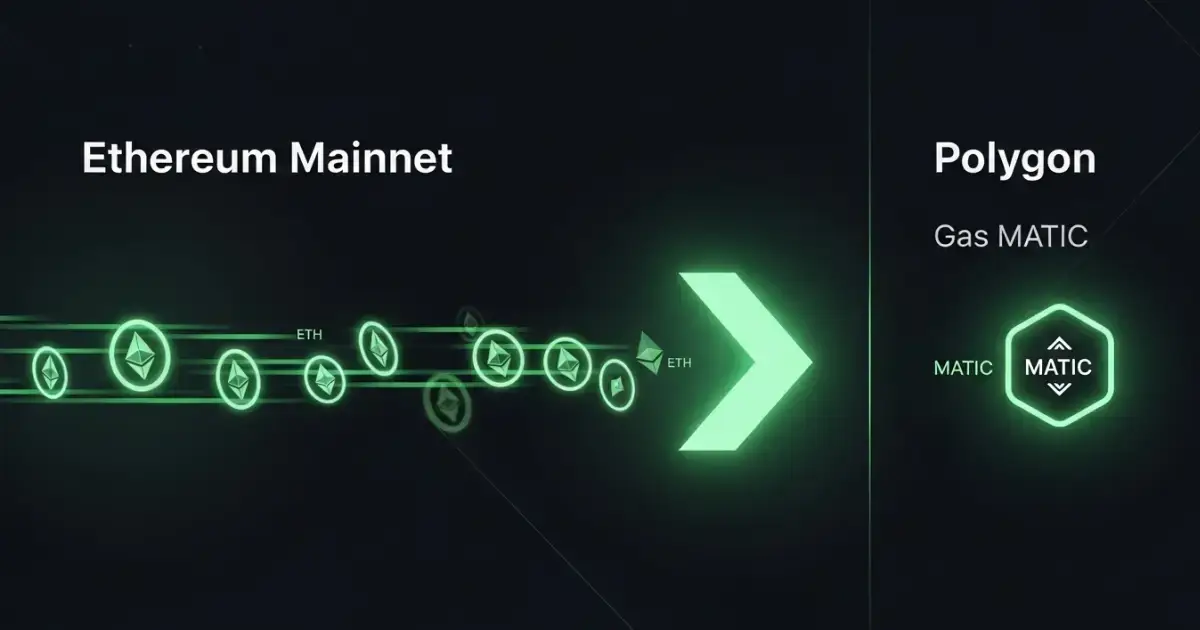
💡 2026 Technical Note: Polygon has completed its infrastructure migration to the hyperproductive POL token, which now native powers gas, staking, and AggLayer security across its multi-chain environment.
DeFi Leaders: Tokens of established protocols, such as UNI (Uniswap), AAVE (Aave), and LINK (Chainlink), often have clear utilities (governance, staking, oracle fees) and liquid pairs.
If your thesis includes yield, understand smart contract risk and volatility before you buy and sell crypto in these segments. This is not financial advice. Always DYOR: evaluate utility, tokenomics, liquidity, and protocol risks before investing.
Common Mistakes to Avoid When Buying Altcoins
Chasing Sentiment (FOMO): Entering speculative positions at local macro peaks driven entirely by social media algorithms without validating base network utility, liquidity depth, or real trading volume.
Ignoring Supply Tokenomics: Reviewing only the token unit price while ignoring massive near-term vesting schedules. If low circulating supplies face an imminent wave of early investor unlocks, heavy supply dilution can suppress prices over time.
Inadequate Operational Security: Reusing weak account credentials or leaving external API keys unprotected. Secure your access by utilizing independent password manager, enabling strict login security alerts, and mandating 2FA across all linked accounts.
Over-Allocation (Poor Position Sizing): Allocating large portions of an active portfolio to illiquid, high-beta assets. Manage risk by diversifying across established base assets while restricting higher-risk experimental setups to smaller positions.
Managing Rigid Entry Prices: A frequent mistake when handling highly volatile altcoins is averaging down a single directional entry price, which distorts independent strategy tracking. To provide maximum strategic flexibility, the Bitunix Multi-Trade contract architecture allows users to maintain multiple independent positions simultaneously within the exact same contract and direction. Each entry retains its own isolated entry price, customized Take-Profit/Stop-Loss (TP/SL) matrix, and independent cross or isolated margin switching on the fly directly inside the integrated chart module.
Glossary & Core Concepts
Altcoin: Any digital asset or cryptographic token built outside of the native Bitcoin core network architecture, encompassing L1s, L2s, DeFi primitives, and specialized utility layers.
Layer-1 (L1): A foundational base blockchain network that independently processes, executes, and finalizes its own consensus transactions while maintaining core network security.
Fully Diluted Valuation (FDV): An analytical metric calculated as Current Market Price × Maximum Token Supply, estimating the total theoretical market capitalization once all planned tokens are minted into circulation.
Super Alert: An advanced market monitoring configuration capable of linking up to 5 distinct technical parameters simultaneously to trigger instant manual or automated algorithmic webhooks.
Fixed Risk Positioning: An innovative, loss-based risk engine that automates position sizing calculations based on a user's predefined maximum financial risk tolerance, preventing leverage-induced errors.
Multi-Trade Architecture: A contract execution layout enabling the simultaneous maintenance of multiple, independent trading positions within the same asset and direction, featuring localized parameter controls and dynamic margin switching.
Ultra Chart: Bitunix's premium chart trading upgrade that unifies advanced multi-timeframe candlestick feeds, direct drag-and-drop order adjustments, and isolated strategy metrics directly onto the technical canvas.
Conclusion: Building Your Altcoin Portfolio With Confidence
Navigating the altcoin market successfully requires a definitive shift from emotional trading to a repeatable, research-driven framework. By executing systematic due diligence on structural tokenomics, maintaining strict risk boundaries, and utilizing secure, compliant execution hubs like Bitunix, traders can manage volatility and capture high-beta opportunities efficiently. Always ensure your capital preservation parameters are locked via automated orders, log your transactional costs, and organize your custody choices with discipline.
With advanced 2026 infrastructure layers like Super Alert mapping macro breakout points, Fixed Risk stabilizing position sizes via the responsive Ultra Chart layout, and Multi-Trade maximizing strategic flexibility, you possess the tools necessary to trade with absolute clarity. For an integrated approach, the Bitunix ecosystem unifies deep global spot pairs, advanced derivatives infrastructure, and institutional security protocols into a single trading environment. Continuous, disciplined research remains your most powerful asset.
About Bitunix
Bitunix is a global cryptocurrency derivatives exchange trusted by over 5 million users across more than 150 countries/districts. The platform is committed to providing a transparent, compliant, and secure trading environment for every user. Bitunix offers a fast registration process and a user-friendly verification system supported by mandatory KYC to ensure safety and compliance. With global standards of protection through Proof of Reserves (POR) and the Bitunix Care Fund, Bitunix prioritizes user trust and fund security. The K-Line Ultra chart system delivers a seamless trading experience for both beginners and advanced traders, while leverage of up to 200x and deep liquidity make Bitunix one of the most dynamic platforms in the market.
Bitunix Global Accounts
X | Telegram Announcements | Telegram Global | CoinMarketCap | Instagram | Facebook | LinkedIn | Reddit | Medium
Frequently Asked Questions
What Is the Easiest Way to Buy Altcoins?
Create an account, deposit USDT or fiat, search for the pair (for example, SOL/USDT), and place a market order. On mobile, the best app to buy crypto simplifies everything in a few taps, which is why many start with the Bitunix app.
Can I Buy Altcoins With a Credit Card on Bitunix?
Yes, when available in your region. You can buy crypto with a credit card or debit card to acquire USDT, then convert it to your target altcoin on the corresponding spot pair.
What Is the Difference Between an Altcoin and a Token?
Altcoin refers to any cryptocurrency that is not BTC. Token usually describes assets issued on an existing network (for example, ERC-20 on Ethereum). In practice, every token can be an altcoin, but not every altcoin is a token, Layer 1 blockchains have a native coin.
How Many Altcoins Should I Have in My Portfolio?
It depends on your risk tolerance and account size. Many prefer a BTC/ETH core plus 3 to 7 thematic bets (L1, DeFi, GameFi). Start small and scale positions as your thesis proves out.
How Do I Know If an Altcoin Is a Scam?
Check for a clear whitepaper, a verifiable team, tokenomics without abusive emissions, public audits, an active community, and consistent liquidity. If transparency is missing, avoid it.
What Are the Fees for Buying Altcoins on Bitunix?
Bitunix uses a competitive maker and taker structure. Your exact rate depends on your tier and volume. Review the crypto exchange fees table and also account for withdrawal and network costs before trading.
Do I Need To Buy a Whole Coin, or Can I Buy a Fraction?
You can buy fractions. On pairs like BTC/USDT or ETH/USDT, enter the amount in USDT you want to invest, and the platform calculates the fraction automatically. This is useful for smaller tickets.
How Do I Sell My Altcoins on Bitunix?
Open the same pair (for example, XRP/USDT) and select Sell. Use a market order for immediate exit or a limit order to set your price. If you want to convert to local currency, use the supported sell crypto routes in your region.
Where Should I Store My Altcoins After Buying Them?
For convenience, trading and rotations, the exchange Spot Wallet is practical. For long-term holding, consider a private wallet (hardware or software). If you plan to trade actively, the Bitunix ecosystem as a crypto exchange streamlines execution and tracking.