How To Buy Crypto
Educate Yourself: Before getting into the cryptocurrency sector, you must educate yourself about the types of cryptocurrencies available, their purposes, and the risks involved. Bitcoin, Ethereum, Solaba, Ripple, etc are some of the most well-known cryptocurrencies, but there are thousands of others to explore. Understanding the basics will help you make informed decisions when buying and investing. Choose a Reliable Exchange: The easiest way to buy crypto is through a crypto exchange. These online platforms facilitate the buying, selling, and trading of various cryptocurrencies. When selecting an exchange, consider factors such as security measures, fees, supported cryptocurrencies, and user interface. Some popular exchanges include Bitunix, Coinbase, Binance, OKX, and Gemini.
Read More: How to Use Bitunix Exchange: A Beginners’ Guide
Create an Account: Once you've chosen an exchange, you'll need to create an account. This typically involves providing some personal information, verifying your identity, and setting up two-factor authentication for added security. Follow the instructions provided by the exchange to complete the account creation process.
Deposit Funds: Before you can buy crypto, you'll need to deposit funds into your exchange account. Most exchanges support fiat currencies like USD, EUR, and GBP, as well as cryptocurrencies like Bitcoin and Ethereum. Choose the deposit method that works best for you, whether it's a bank transfer, credit/debit card, or cryptocurrency transfer.
Choose a Reliable Exchange: The easiest way to buy crypto is through a crypto exchange. These online platforms facilitate the buying, selling, and trading of various cryptocurrencies. When selecting an exchange, consider factors such as security measures, fees, supported cryptocurrencies, and user interface. Some popular exchanges include Bitunix, Coinbase, Binance, OKX, and Gemini.
Read More: How to Use Bitunix Exchange: A Beginners’ Guide
Create an Account: Once you've chosen an exchange, you'll need to create an account. This typically involves providing some personal information, verifying your identity, and setting up two-factor authentication for added security. Follow the instructions provided by the exchange to complete the account creation process.
Deposit Funds: Before you can buy crypto, you'll need to deposit funds into your exchange account. Most exchanges support fiat currencies like USD, EUR, and GBP, as well as cryptocurrencies like Bitcoin and Ethereum. Choose the deposit method that works best for you, whether it's a bank transfer, credit/debit card, or cryptocurrency transfer.
 Place an Order: With funds in your exchange account, you're ready to buy crypto. Go to the trading section of the exchange and choose the cryptocurrency you want to buy. Enter the amount you wish to purchase and review the transaction details carefully. Once you're satisfied, place your order.
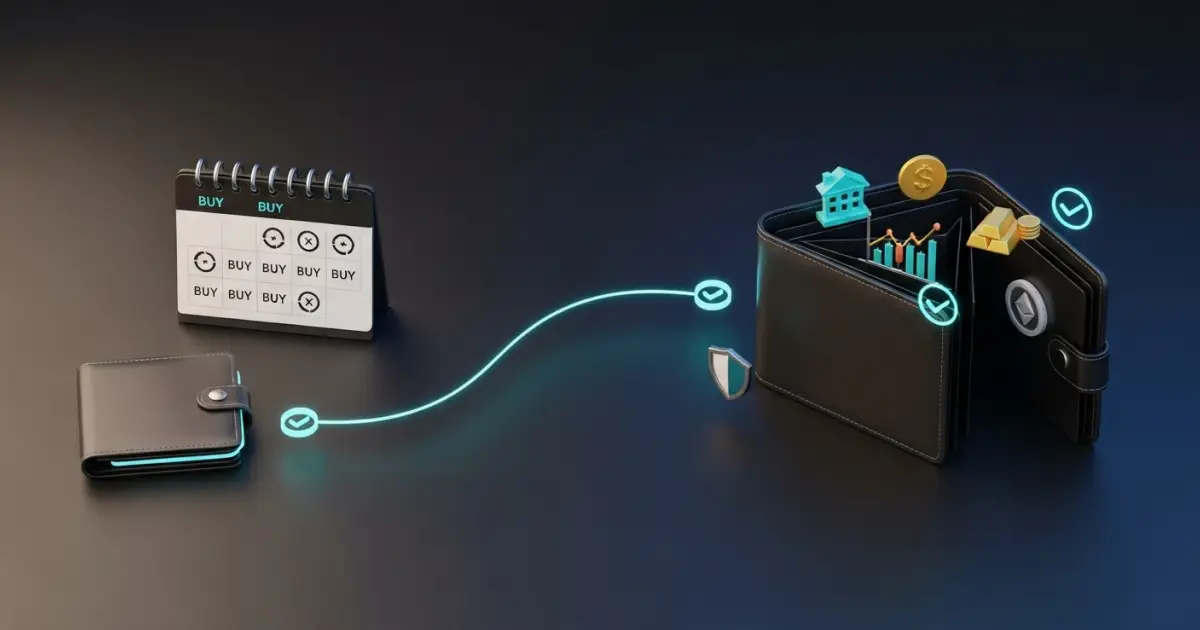
Store Your Cryptocurrency Securely: After buying crypto it's crucial to store it securely to protect it from theft or loss. Consider transferring your assets to a cryptocurrency wallet for added security. Hardware wallets, such as Ledger and Trezor, offer offline storage and are considered one of the safest options. Alternatively, you can use software wallets or mobile wallets, but be sure to research their security features before entrusting them with your funds.
Diversification: The cryptocurrency market is highly volatile, so it's essential to stay informed about market trends and news updates. Consider diversifying your investment portfolio by investing in multiple cryptocurrencies to spread your risk. Additionally, only invest what you can afford to lose, as the value of cryptocurrencies can fluctuate dramatically.
Place an Order: With funds in your exchange account, you're ready to buy crypto. Go to the trading section of the exchange and choose the cryptocurrency you want to buy. Enter the amount you wish to purchase and review the transaction details carefully. Once you're satisfied, place your order.
Store Your Cryptocurrency Securely: After buying crypto it's crucial to store it securely to protect it from theft or loss. Consider transferring your assets to a cryptocurrency wallet for added security. Hardware wallets, such as Ledger and Trezor, offer offline storage and are considered one of the safest options. Alternatively, you can use software wallets or mobile wallets, but be sure to research their security features before entrusting them with your funds.
Diversification: The cryptocurrency market is highly volatile, so it's essential to stay informed about market trends and news updates. Consider diversifying your investment portfolio by investing in multiple cryptocurrencies to spread your risk. Additionally, only invest what you can afford to lose, as the value of cryptocurrencies can fluctuate dramatically.
 Practice Security Measures: Finally, prioritize security by using strong, unique passwords for your exchange and wallet accounts, enabling two-factor authentication, and being cautious of phishing attempts and scams.