What Is XAG?
XAG is a silver-linked trading symbol used to represent exposure to silver price movements. In traditional financial markets, silver is commonly identified by the international code XAG and is typically quoted in U.S. dollars per troy ounce. One troy ounce is approximately 31.1 grams. On cryptocurrency trading platforms, silver-linked instruments such as XAG/USDT allow traders to gain exposure to silver prices using stablecoins without directly purchasing or storing physical metal.
Silver occupies a unique position in global commodity markets because it serves two distinct purposes. Like gold, it is a precious metal that investors may use to diversify portfolios or hedge against economic uncertainty. At the same time, silver is an important industrial material used in solar panels, electronics, electrical components, and other technologies. This combination means its price can respond to both investment sentiment and changes in industrial activity.
For traders, understanding silver requires more than following precious metal market trends. Interest rate expectations, the U.S. dollar, gold prices, manufacturing activity, technological developments, and global mine production can all influence silver's market direction. These overlapping drivers can also make silver more volatile than gold under certain market conditions.
Data Source: Proactive
Silver Market Size and Growth
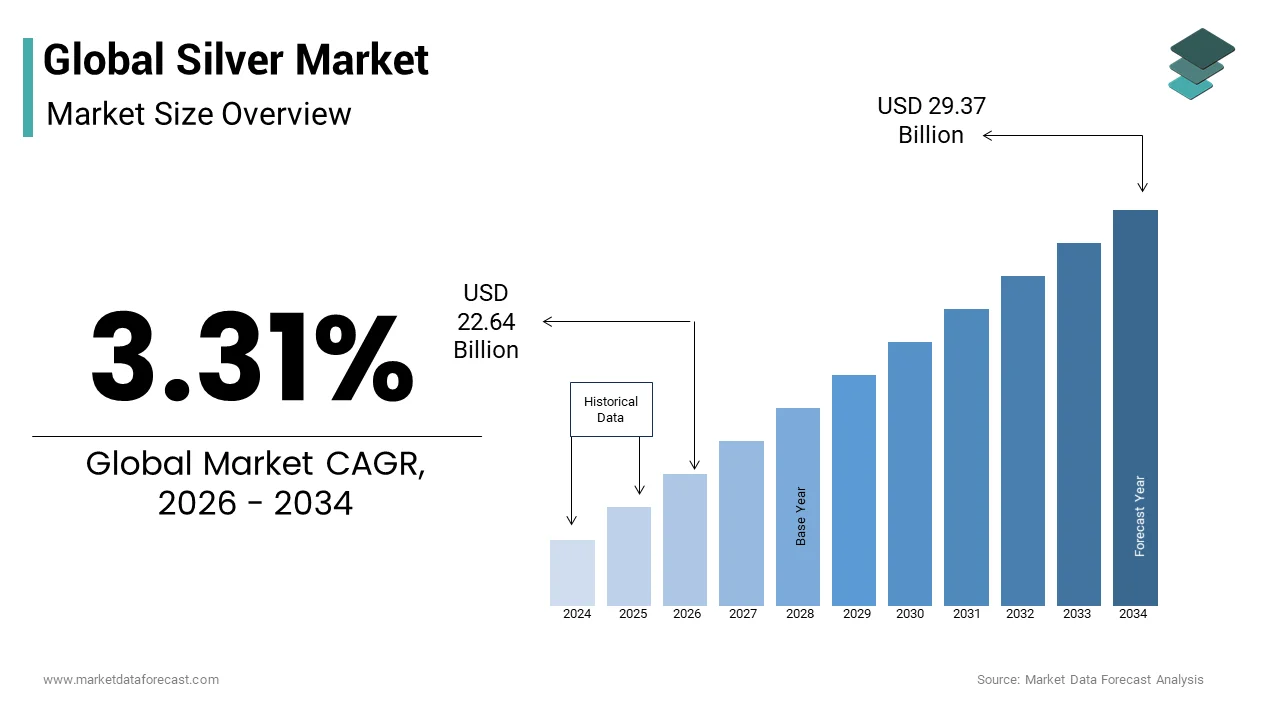
The global silver market is supported by both investment demand and industrial consumption. Unlike gold, which is held extensively as a reserve and investment asset, a substantial portion of silver demand comes from manufacturers that use metal in commercial products and industrial processes. According to the Silver Institute's World Silver Survey 2026, total global silver demand declined by 2% in 2025 to approximately 1.13 billion ounces. Industrial demand accounted for 657.4 million ounces, or around 58% of total demand.
Silver's industrial role has expanded alongside the growth of renewable energy, electric vehicles, digital infrastructure, and advanced electronics. In 2024, industrial silver fabrication reached a record 680.5 million ounces, supported by demand from photovoltaic installations, automotive applications, power grid investment, and artificial intelligence-related electronics. However, industrial demand declined by 3% in 2025, partly because solar manufacturers accelerated efforts to reduce silver consumption per cell and substitute other materials where possible.
Looking ahead, the silver market faces both structural growth opportunities and near-term challenges. Investment in AI infrastructure, electricity networks, automotive technology, and renewable energy may support long-term consumption. At the same time, higher silver prices can encourage manufacturers to improve material efficiency or adopt alternatives, particularly in price-sensitive applications. As a result, the market's growth depends not only on demand for new technologies but also on how efficiently those technologies use silver.
Data Source: Market Data Forecast
XAG Price Performance Over the Past Ten Years
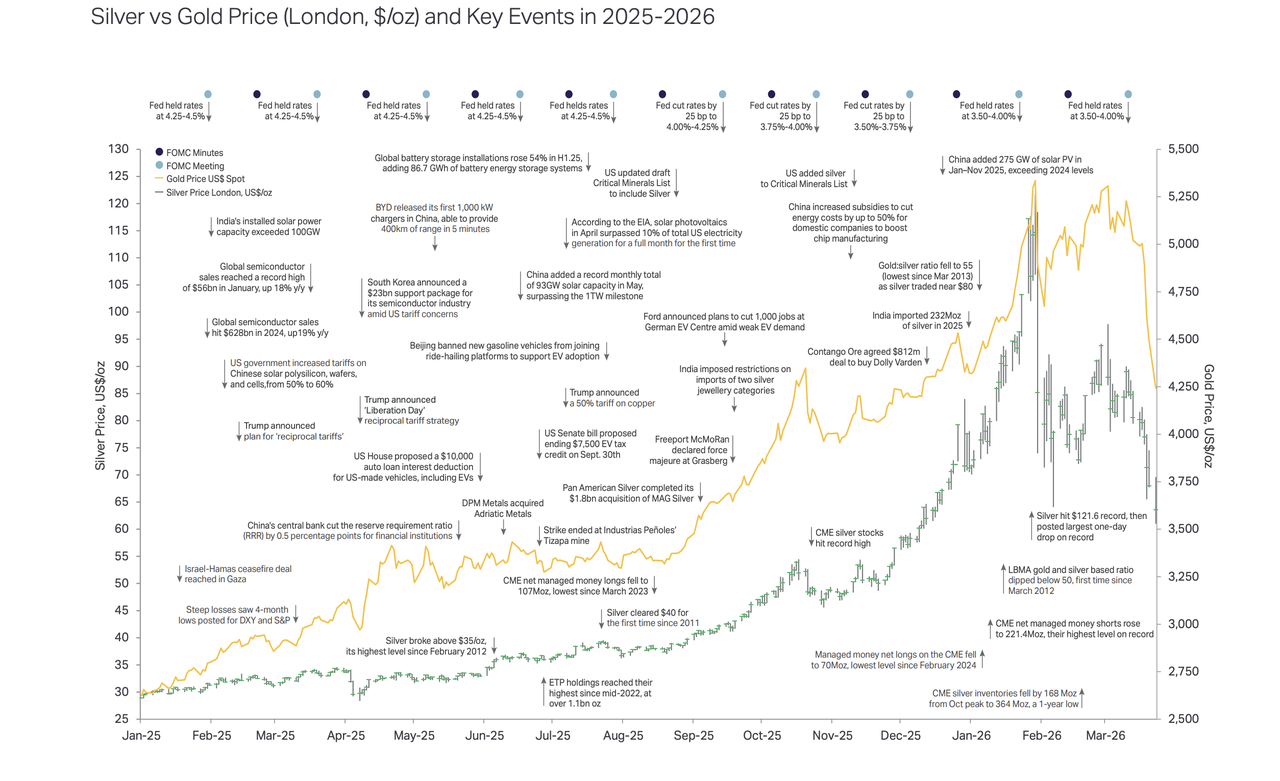
Silver has experienced several major price cycles over the past decade, reflecting changes in monetary policy, investment demand, global economic conditions, and industrial consumption. From 2016 to 2019, prices generally traded within a relatively moderate range as markets assessed U.S. interest rate policy, dollar movements, and global growth expectations. Silver then experienced a significant rally in 2020, when the COVID-19 pandemic triggered substantial monetary and fiscal stimulus, increased demand for precious metals, and heightened market uncertainty.
In 2021 and 2022, silver prices faced changing market conditions as central banks began tightening monetary policy and rising interest rates increased the opportunity cost of holding non-yielding assets. Prices subsequently recovered as precious metal investment demand strengthened and industrial consumption remained an important part of the market. The rally accelerated in 2024 and 2025, supported by investment interest, supply concerns, and demand expectations linked to industrial applications.
The following table illustrates silver's annual price changes from 2016 to 2025. Figures are based on historical annual closing-price data, and returns may differ slightly across market benchmarks and data providers.
Year | Annual Price Change |
2016 | 17.50% |
2017 | 3.80% |
2018 | -8.30% |
2019 | 16.70% |
2020 | 46.80% |
2021 | -12.80% |
2022 | 3.70% |
2023 | -0.60% |
2024 | 21.50% |
2025 | 149.10% |
Data Source: GoldPrice.com
The historical performance highlights an important characteristic of silver: its price movements can be significantly larger than those of gold during strong commodity rallies or periods of changing market sentiment. However, strong annual gains do not necessarily indicate a stable upward trend. Silver can experience substantial corrections when interest rate expectations change, investment positions unwind, or industrial demand weakens. Traders should therefore consider both the broader price trend and the fundamental conditions behind individual market moves.
Data Source: World Silver Survey 2026
Industrial Applications: Why Silver Is Different from Gold
Gold and silver are both precious metals, but their demand structures are considerably different. Gold is primarily valued for investment, jewelry, and central bank reserves, while silver has a much broader range of industrial applications. Its high electrical and thermal conductivity, reflectivity, and chemical properties make it useful in products where performance and reliability are important.
This industrial exposure gives silver an additional source of demand that gold does not have to the same extent. When manufacturing activity expands or investment in clean energy and digital infrastructure increases, silver consumption may benefit. Conversely, an industrial slowdown can weigh on silver demand even when investment interest in precious metals remains relatively strong.
Solar Panels and Photovoltaic Cells
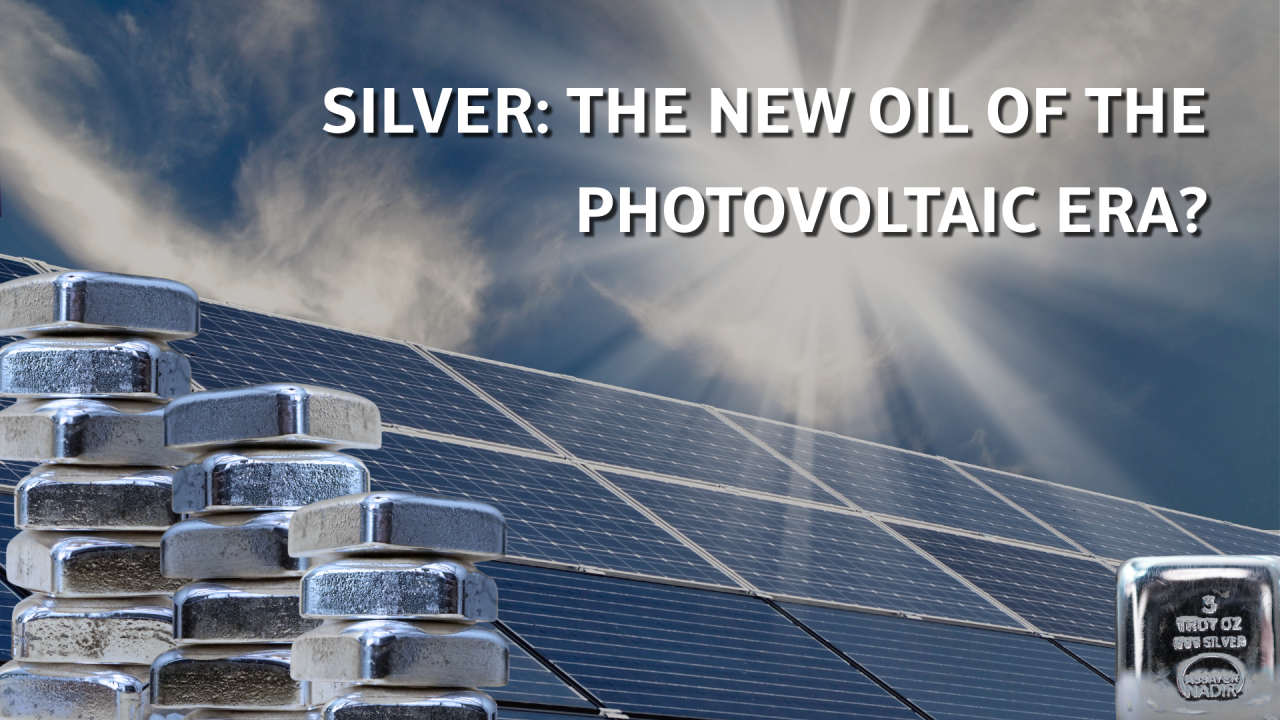
Solar energy is one of the most important sources of industrial silver demand. Photovoltaic (PV) cells use silver-based conductive pastes to collect and transport electricity generated by sunlight. Silver's excellent electrical conductivity makes it particularly useful in these applications, where efficient energy collection is essential to overall panel performance.
The expansion of global solar installations has supported silver consumption over recent years. According to the Silver Institute, photovoltaic demand more than doubled between 2020 and 2024, reflecting the rapid growth of renewable energy capacity. However, higher silver prices and manufacturing cost pressures have encouraged solar producers to reduce the amount of silver used in each cell and explore alternative materials. This trend contributed to the decline in PV-related silver demand in 2025.
For silver traders, the solar industry creates a long-term demand opportunity, but the relationship is not always straightforward. Growth in solar installations does not automatically translate into proportional growth in silver consumption. Improvements in cell efficiency, material substitution, and changes in manufacturing technology can all affect the amount of silver required per unit of installed capacity.
Data Source: Linkedin
Electronics, Electrical Circuits, and Semiconductors
Silver is widely used in electronics because it has the highest electrical conductivity of any metal. It can be found in electrical contacts, circuit boards, switches, connectors, conductive pastes, and various precision components. These properties make silver valuable in applications where reliable electrical transmission and low resistance are important.
The development of advanced electronics and artificial intelligence infrastructure may create additional sources of silver demand. Data centers require extensive electrical systems, power management components, and supporting infrastructure. As investment in computing capacity expands, demand for certain silver-containing electrical and electronic components may also increase.
However, the relationship between technology investment and silver consumption depends on the specific applications involved. Not every new semiconductor or data center requires large quantities of silver. Manufacturing efficiency, product design, and the availability of alternative materials all influence the current level of demand.

Data Source: Thermtest
Batteries, Electric Vehicles, and Energy Storage
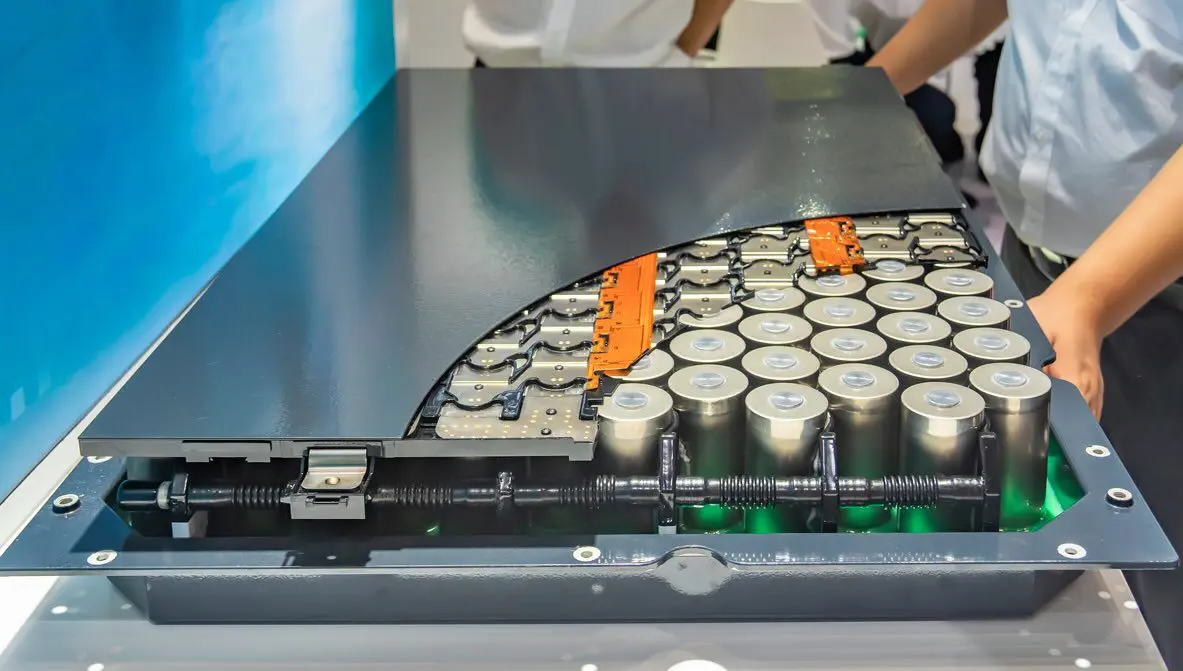
Silver is used in selected battery technologies, electrical contacts, power electronics, and other components associated with electric vehicles (EVs). Its conductivity and reliability make it useful in systems that require efficient electrical connections and stable performance. As vehicle manufacturers develop more advanced electrical architectures, silver-containing components may remain relevant across different automotive applications.
The expansion of EV production also supports demand for charging infrastructure, power distribution equipment, and grid upgrades. These systems may incorporate silver in electrical contacts and other components. In addition, investment in energy storage and renewable power integration can create further demand for electrical equipment that uses silver.
Nevertheless, silver is not a dominant raw material in every EV battery. Its role varies depending on battery chemistry, vehicle design, and component specifications. For this reason, EV adoption should be viewed as one of several potential sources of silver demand rather than a direct measure of future consumption.
Data Source: Silverlake
Key Fundamental Factors That Drive Silver Prices
Silver prices are influenced by a combination of monetary conditions, precious metal investment flows, industrial demand, and supply dynamics. Unlike assets driven primarily by a single economic narrative, silver responds to several interconnected markets. Understanding these factors can help traders assess why silver prices move and identify the conditions that may support or weaken a particular trend.
Federal Reserve Policy and U.S. 10-Year Real Interest Rates
Federal Reserve policy is one of the most important macroeconomic influences on silver prices. Because silver does not generate interest or dividend income, its relative attractiveness can change when interest rates rise or fall. Higher interest rates generally increase the opportunity cost of holding non-yielding assets, potentially reducing investment demand for precious metals. Conversely, expectations of lower interest rates may support silver by making interest-bearing alternatives relatively less attractive.
The U.S. 10-year real interest rate is another important indicator. Real yields measure the return on government bonds after accounting for expected inflation and are commonly monitored through inflation-protected securities such as Treasury Inflation-Protected Securities (TIPS). When real yields rise, silver may face downward pressure as the appeal of yield-generating assets increases. When real yields decline, precious metals may become more attractive to investors.
The relationship is not always consistent over short periods. Silver can rise despite higher real yields if industrial demand strengthens, the U.S. dollar weakens, or investment flows increase. Traders should therefore consider real interest rates alongside inflation expectations, Federal Reserve communication, and broader market sentiment rather than treating any single indicator as a definitive price signal.
Gold Prices and the Gold-Silver Ratio
Gold prices often influence silver because both metals are traded as precious metal assets and can attract investment during periods of economic uncertainty. When gold enters a strong upward trend, silver may benefit from increased interest in the broader precious metals market. However, silver's stronger industrial exposure means it does not always follow gold at the same pace.
The gold-silver ratio is a widely used indicator for comparing the relative value of the two metals. It measures how many ounces of silver are required to purchase one ounce of gold. For example, if gold trades at $3,000 per ounce and silver trades at $30 per ounce, the ratio is 100.
A rising gold-silver ratio means gold is outperforming silver, while a falling ratio indicates that silver is outperforming gold. Some traders use the ratio to assess relative valuation and identify periods when one metal has moved more sharply than the other. However, the ratio does not provide a reliable timing signal on its own. Changes in industrial demand, monetary policy, and investor positioning can all influence the relationship between gold and silver.
Global Industrial Demand and Manufacturing Activity
Industrial activity is a major factor distinguishing silver from gold. Because silver is used in electronics, solar panels, automotive components, and electrical infrastructure, changes in manufacturing output can affect its physical demand. Stronger industrial production and investment in technology may support consumption, while weaker factory activity and reduced capital expenditure can weigh on demand.
Traders can monitor indicators such as global purchasing managers' indexes (PMIs), manufacturing output, industrial production, vehicle production, and renewable energy investment. China's manufacturing activity is particularly relevant because the country plays a major role in global industrial production and the supply chain for solar panels and electronics.
The relationship between industrial growth and silver prices is not always immediate. Manufacturers may hold inventories, adjust purchasing schedules, or reduce silver usage per unit of production. As a result, traders should examine actual consumption trends and industry-specific developments rather than relying solely on broad economic growth forecasts.
Mine Production, Recycling, and Global Silver Supply
Silver supply comes primarily from mine production and recycling. Unlike gold, a significant share of newly mined silver is produced as a by-product of extracting other metals, including lead, zinc, copper, and gold. This means silver mine output does not always respond directly to changes in silver prices. Even when silver prices rise, mining companies may not immediately increase production if their primary mining operations are driven by the economics of other metals.
Recycling provides another source of supply. Silver can be recovered from industrial waste, electronic components, jewelry, and other products. Higher silver prices may encourage additional recycling, although collection costs, processing technology, and the concentration of silver in discarded products influence how much material can be economically recovered.
The balance between mine supply, recycling, and total demand is an important factor in long-term price formation. When consumption exceeds available supply, the market may need to draw on above-ground inventories, potentially tightening physical availability. However, a reported supply deficit does not automatically result in higher prices, as investment flows, inventories, and market expectations can also influence trading conditions.
Should I Invest in XAG or XAU?
XAG and XAU represent exposure to two different precious metals: silver and gold. Although both can attract investment during periods of economic uncertainty, their demand structures and price behavior are not identical. Choosing between them depends on an investor's market outlook, risk tolerance, and preferred source of exposure.
Gold is generally regarded as a more established store-of-value asset. Central banks hold gold as part of their reserves, and investors often turn to it during periods of geopolitical uncertainty, currency weakness, or concerns about financial stability. Its demand is less dependent on industrial manufacturing, which can make gold's price behavior more closely linked to monetary conditions and investment flows.
Silver combines precious metal characteristics with substantial industrial demand. Its exposure to solar energy, electronics, automotive technology, and electrical infrastructure gives it additional growth drivers. However, this also means silver can be more sensitive to manufacturing cycles and may experience sharper price fluctuations than gold.
Comparison | XAG (Silver) | XAU (Gold) |
Main market role | Precious metal and industrial material | Precious metal and store of value |
Industrial exposure | High | Relatively low |
Investment demand | Important | Major source of demand |
Key price drivers | Interest rates, gold prices, industrial demand, mine supply | Interest rates, central bank demand, investment flows, geopolitical risk |
Market volatility | Often higher | Generally lower than silver |
Common industrial uses | Solar panels, electronics, electrical components, automotive applications | Electronics, jewelry, and specialized industrial applications |
Neither metal is universally better than the other. Traders who expect stronger industrial activity and expanding demand for technology-related materials may find silver's market characteristics more relevant. Those who prioritize exposure to a more established monetary and reserve asset may prefer gold. Some investors also follow both metals to diversify their precious metal exposure.
It is important to distinguish between investing in physical metals and trading silver- or gold-linked derivatives. A futures contract provides price exposure but does not necessarily give the holder ownership of physical silver or gold. Before trading, users should review the contract specifications, leverage, margin requirements, and associated risks.
How to Trade XAG
XAG provides exposure to silver price movements without requiring users to purchase, store, or manage physical silver. Investors seeking direct exposure to the silver market may consider physical silver, silver-backed ETFs, or commodity trading products. For retail traders who prefer using cryptocurrency platforms, silver-linked trading pairs offer another way to participate in the market using digital assets such as USDT.
For most retail traders, accessing silver price movements through a cryptocurrency exchange such as Bitunix can be a convenient option. Bitunix offers XAG/USDT perpetual futures, allowing users to trade silver price movements using USDT as the settlement asset. Before trading, users may need to register an account and complete standard Know Your Customer (KYC) verification to meet applicable Anti-Money Laundering (AML) and compliance requirements.
Once your account is verified and funded, you can access the XAG/USDT trading pair on Bitunix and choose whether to open a long or short position based on your market outlook. Before confirming an order, review the current market price, trading fees, funding rate, leverage, and margin requirements. Unlike physical silver or spot-based products, perpetual futures do not represent ownership of the underlying metal. Leverage can amplify both gains and losses, and positions may be liquidated if the margin balance falls below the required maintenance level. Traders should therefore understand the contract specifications and associated risks before opening a position.